Production Calibration
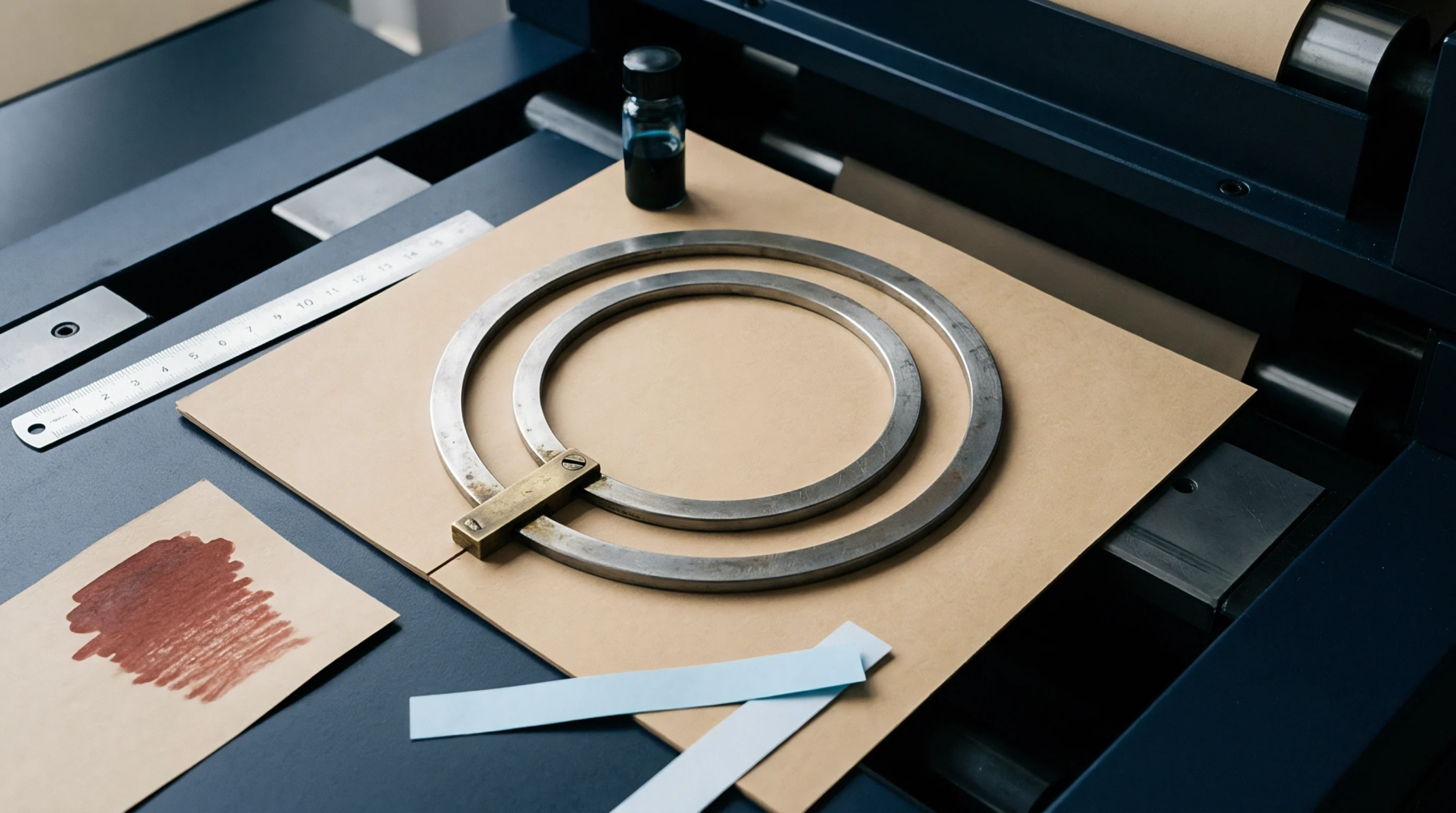
Financial valuation of the time and resources required to prepare a printing press for a specific job constitutes this variable. Press make-ready cost includes the manual setup of plates, ink fountain adjustments, paper registration, and the trial output necessary to reach the target ink density. It ceases to accrue once the press begins printing the final sellable copies at the required speed.
The expenditure covers labor hours for the press crew, the consumption of substrate for alignment, and the loss of machine capacity while the equipment sits idle.
Substrate Impact
Paper waste generated during the alignment process forms the bulk of the economic burden for high speed offset operations. Each sheet passing through the press before color registration hits the tolerance level creates a non recoverable expense in material volume. Coating textures and basis weight variations force longer adjustment cycles for the ink keys.
Light weight stocks often wrinkle during initial feeding, requiring further mechanical interventions that add minutes to the total window of preparation. Heavy board materials demand precise pressure calibration to prevent crushing, causing higher consumption of test sheets during the stabilization phase.
Capacity Allocation
Presses with faster changeover technologies reduce the window of unbilled time for the operator. Modern automated plate loading and closed loop color controls shorten the duration of non productive status for the machine. Shops calculate the recovery of this expense by spreading the total setup burden across the estimated quantity of the print run.
High volume jobs absorb the preparation charge more efficiently than short run orders, because the fixed cost divides into a larger pool of units. The resulting unit price reflects the ratio of setup duration against the output velocity of the hardware.