Surface Caliper
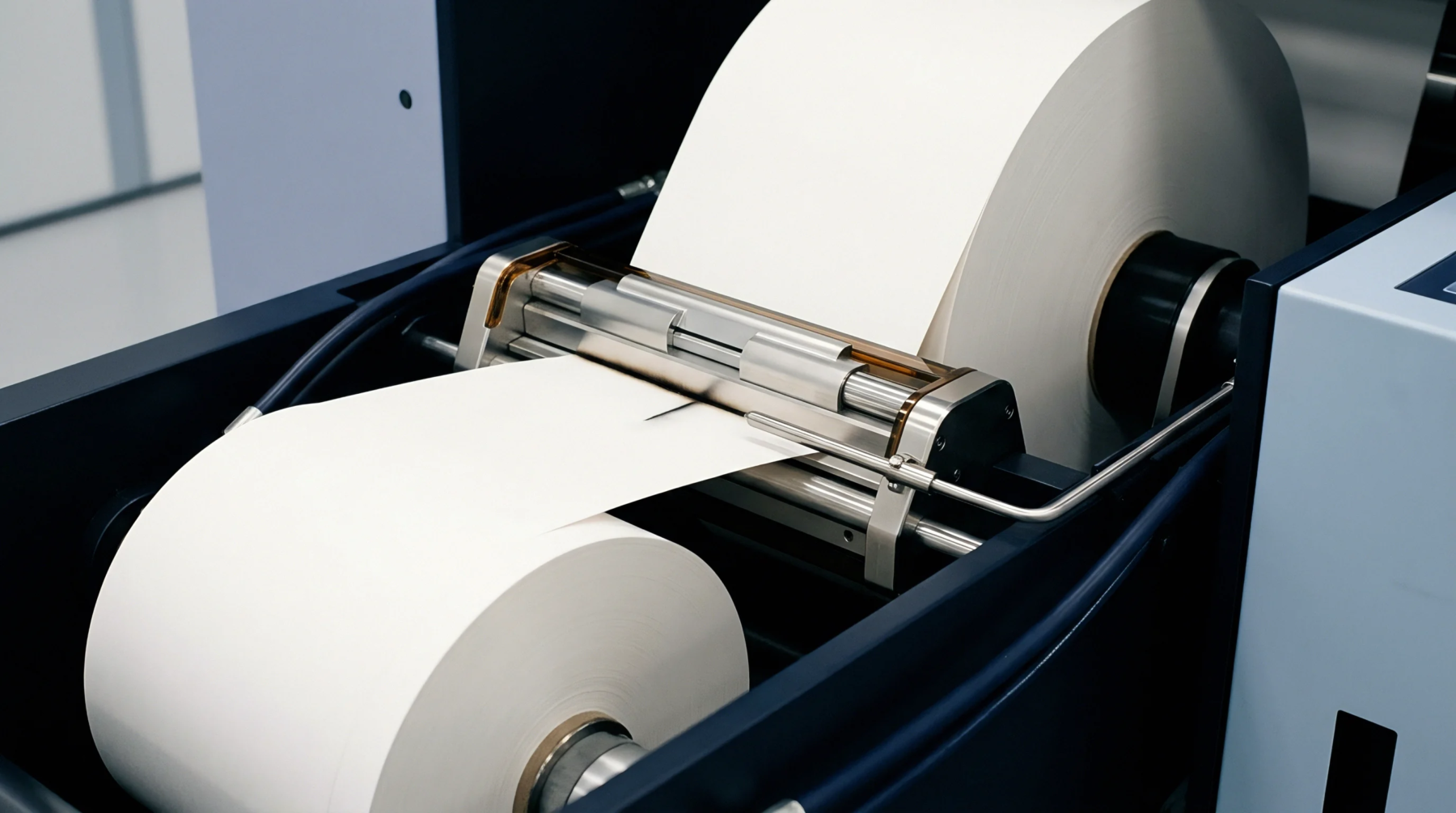
Recycled paperboard grade two functions as a multi ply cartonboard produced entirely from recovered fibres featuring double coated top layers and a grey back. Production relies on secondary raw material streams processed within cylinder mould machines where successive wet webs bond together before drying to build structural rigidity. Surface preparation involves applying two distinct pigment layers onto the wire side to achieve printing smoothness alongside uniform ink absorption.
Converting operations depend upon this coated face for high speed offset lithography and ultraviolet varnishing during folding carton manufacture. Caliper specifications govern bending resistance and compression strength across packaging lines where boxes stack vertically inside distribution warehouses.
Fibrous Composition
Raw material inputs consist predominantly of sorted consumer waste paper mixed with corrugated box cuttings and industrial clippings. Pulper disintegration breaks down incoming bales within aqueous environments while centrifugal cleaners separate heavier contraries such as staples and plastics. Refining intensity remains low to preserve fibre length and maintain sufficient tear resistance during subsequent sheet formation.
Surface mineral coatings incorporate calcium carbonate and kaolin bound with synthetic latexes to seal porosity and improve white brightness values. Interlayer bonding relies on natural starch additions within the wet end to prevent delamination during creasing and die cutting operations.
Conversion Performance
Folding endurance requires specific moisture equilibrium values between six and nine percent to prevent cracking along crease lines during high speed gluing. Finishing departments monitor Cobb absorption test results to control glue penetration rates during carton blank erection on packaging machinery. Dimensional stability under fluctuating humidity conditions depends upon the grammage ratio between top coating weights and interior recycled filler plies.
End use applications concentrate on dry food packaging and household goods where secondary barrier liners provide necessary grease resistance. Regulatory compliance mandates strict control over residual chemical migration from recovered fibre sources into sensitive consumer contents.