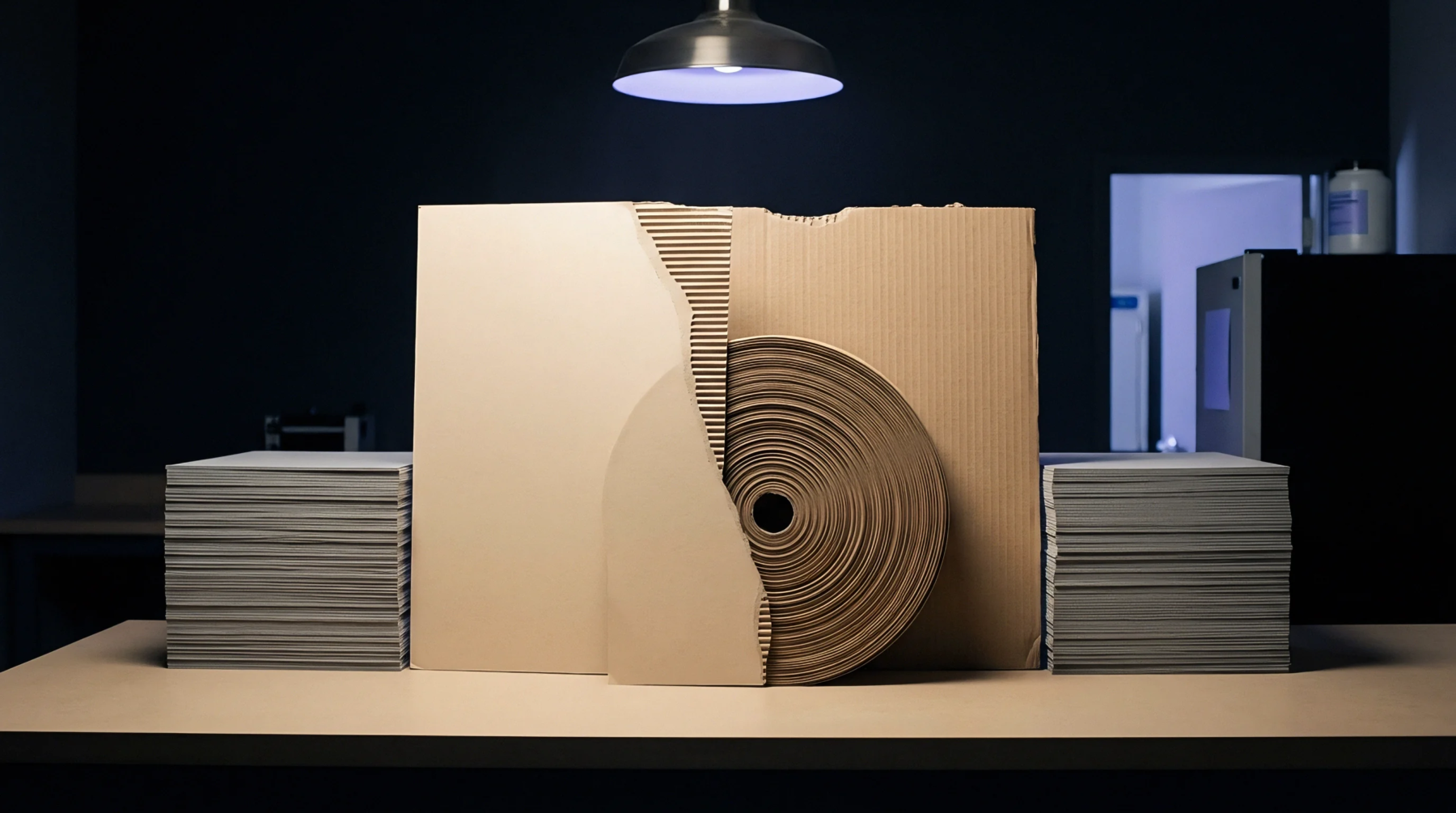
Waterproof barrier
Aqueous polymer applications provide moisture resistance to paper substrates without preventing the fiber recovery process during paper mill recycling operations. Repulpable dispersion coatings rely on synthetic or bio-based binders that maintain structural integrity during product use but disintegrate when subjected to the mechanical shear and alkaline conditions of a standard hydrapulper. These formulations avoid the use of extruded plastic films that necessitate specialized equipment to remove non-fiber contaminants from the waste stream.
Manufacturers utilize these water-based systems to replace traditional wax or polyethylene laminates in food service packaging and industrial applications where circularity targets govern material selection.
Barrier efficiency
Success with these chemical barriers depends on the precise control of coat weight and particle size distribution during the application process. A low viscosity allows for uniform coverage across the porous fiber surface, creating a continuous film that prevents water vapor transmission. High-speed gravure or blade coater setups must maintain consistent drying temperatures to ensure the polymer chains cross-link properly without reaching a state of total curing that would inhibit re-solubility in a recycling vat.
The presence of these coatings does not alter the physical strength of the base paper, yet the moisture vapor transmission rate drops significantly compared to uncoated kraft sheets.
Recycling performance
Industrial pulping facilities evaluate the suitability of these materials by measuring the amount of screen rejects that remain after the disintegration cycle is complete. Standardized laboratory methods simulate mill conditions to confirm that the polymer disperses fully into the water phase, allowing the fibers to separate without clumping or sticky deposits forming on paper machine wires. A successful recovery rate indicates that the dispersion chemistry possesses the correct solubility profile to decouple from the cellulose matrix during the mild chemical treatment typically found in commercial recycling systems.
This chemical compatibility ensures that treated packaging returns to the papermaking process as high-quality secondary fiber rather than as solid waste for landfill.