Optical Arrangement
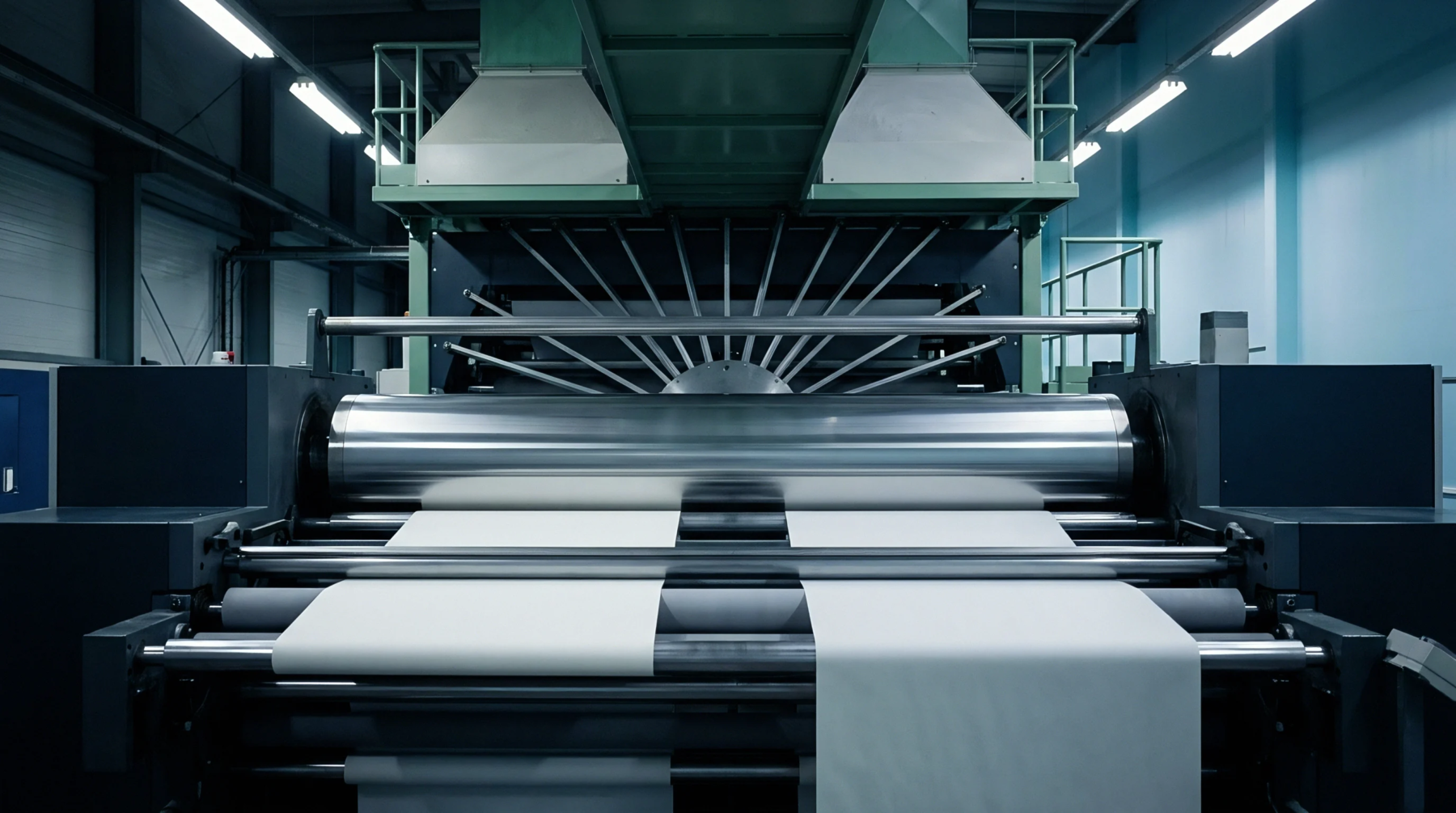
Alignment of the lens plane and the image plane such that they intersect at a single line allows for sharp focus across a surface that is not parallel to the camera. Using scheimpflug geometry in a web inspection system enables the camera to capture a clear image of the paper as it passes over a roller at an angle. This correction applies to planar surfaces and fails when used on highly curved or spherical objects.
Focus Management
Depth of field is often too narrow to keep a tilted substrate in focus using traditional optics. By tilting the lens relative to the sensor, scheimpflug geometry shifts the plane of sharpest focus to match the angle of the paper web. This setup is common in laser triangulation where the camera must look at the laser line from an oblique position.
Sharp images are necessary for the software to correctly identify small defects like slime spots and pinholes.
Imaging Reliability
High-speed manufacturing lines rarely allow for perfectly perpendicular camera placement. Applying scheimpflug geometry ensures that the entire width of the material is inspected with equal resolution. This optical correction is built into the mounting hardware of precision inspection systems.