Chemical Media
Standardized aqueous test solutions containing three percent acetic acid weight per volume represent acidic food matrices in chemical migration testing of food contact materials. European food contact regulation frameworks specify simulant B for evaluating chemical substance transfer from paperboard and barrier coatings into acidic foodstuffs. Acidic conditions accelerate the extraction of heavy metals and aromatic amines from package structures during compliance testing.
Testing under standardized simulant conditions establishes safety compliance before commercial packaging distribution.
Migration Testing
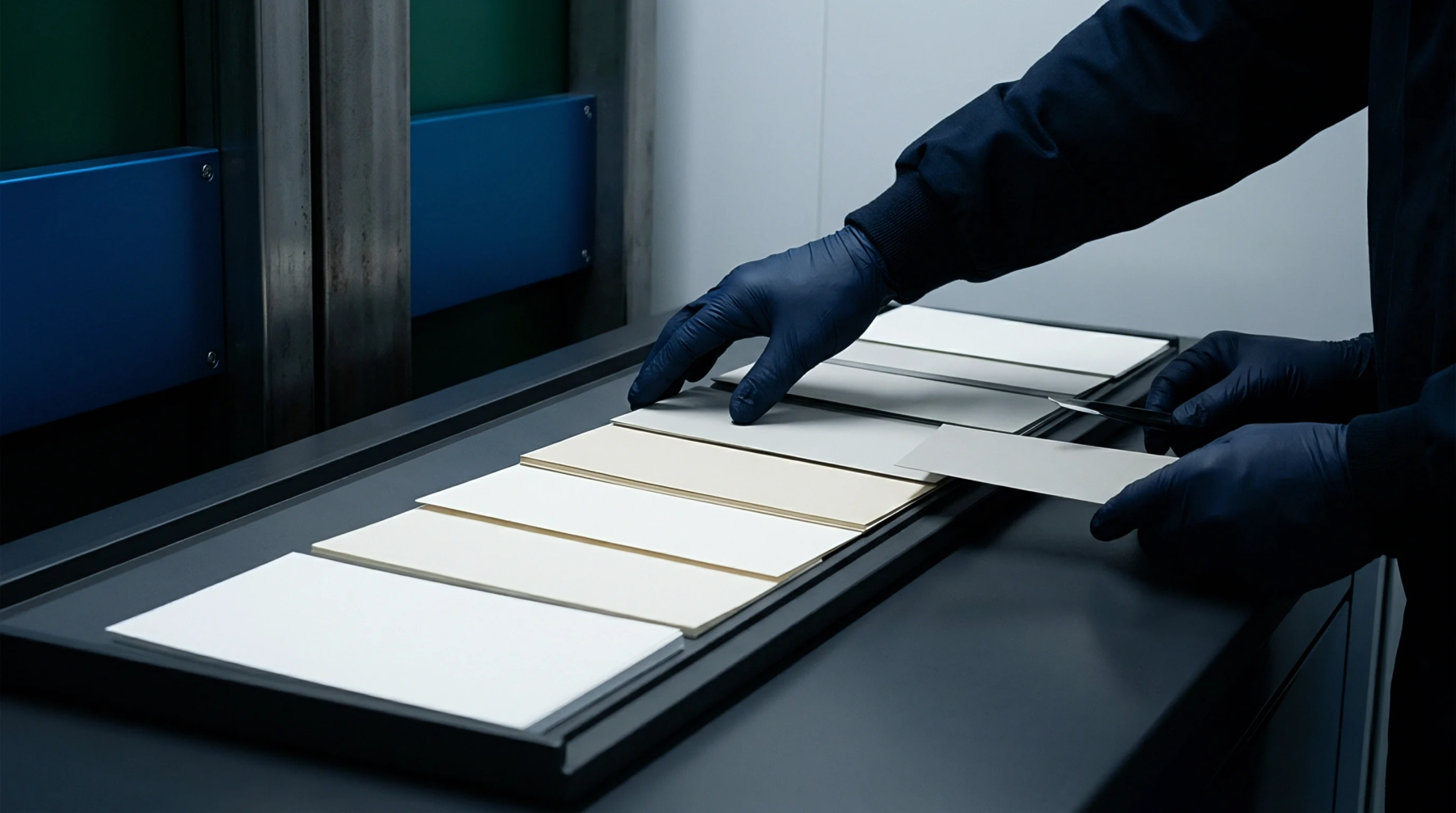
Packaging samples undergo total immersion or single-sided contact exposure to the acidic solution at controlled temperatures and exposure durations defined by expected end-use conditions. Specific migration limits mandate that chemical substances leaching into the liquid must remain below designated toxicity thresholds expressed in milligrams per kilogram of food. When testing polymer-coated paperboard intended for fruit juice containers, simulant B dissolves hydrophilic species and attacks acid-sensitive adhesive interfaces.
High-performance liquid chromatography and inductively coupled plasma mass spectrometry analyze the exposure liquid after contact testing to quantify migrated metals and organic additives.
Substance Exposure
Paperboard sizing agents react with acidic test solutions, generating carbon dioxide gas and neutralizing test acidity. Acidic extraction of active packaging additives makes simulant B the primary benchmark for liquid food contact safety.