Residual Web
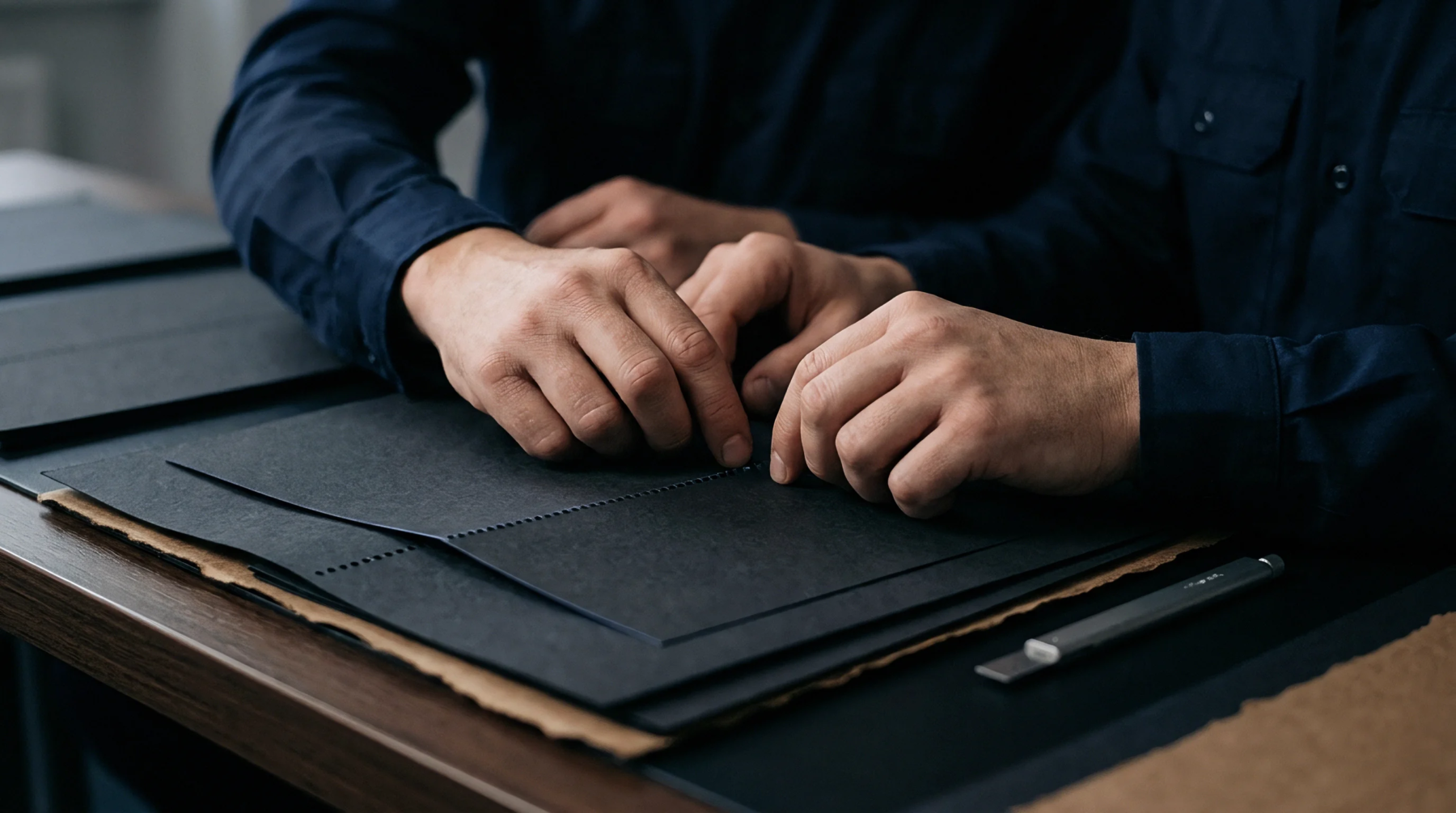
Extracted matrix material remains after individual carton blanks or packaging shapes are stamped from a continuous sheet or roll. Managing skeleton waste is a necessary part of the die-cutting and blanking steps in high-speed converting plants. This leftover material must be removed and collected to prevent it from jam-ups or contaminating the finished products.
Extraction Process
Stripping and conveying systems are used to pull this residual scrap away from the production line as soon as the blanks are separated. In high-speed setups, air trim-handling systems vacuum the waste and shred it, transporting it through ductwork to a central baler. This continuous removal prevents the scrap from getting caught in the moving parts of the folder-gluer or platen die-cutter.
If the scrap is not removed, it can block the sheets, leading to downtime and damaged machinery. Balers compress this shredded material into compact blocks that are sent back to the mill for recycling into new paperboard.
Layout Efficiency
Nesting designs on the sheet directly determine the volume of this scrap produced during a run. Optimizing the arrangement of carton blanks minimizes the width of the matrix borders, saving material costs and increasing yield. High-yield layouts reduce the weight of recycled scrap generated per thousand cartons.