Cross Machine Moisture Profiling Actuators for Soft Nip Calender Control
Cross-machine moisture actuators precisely control web soft nip plasticization, maintaining caliper profiles within fine limits to optimize yield.
Swell
Water acts as a direct plasticizer within the amorphous polymer matrix of cellulosic papermaking fibres. In soft nip calendering, a paper web passes through a pressure nip formed between a rigid heated metal roll and a flexible elastomeric cover roll. Moisture depresses the glass transition temperature of lignin and hemicellulose, lowering the threshold at which these natural polymers flow under mechanical force.
When the cross-machine moisture profile varies by as little as one percent across the web, localized plastic deformation during calendering becomes unequal. High-moisture zones compact more readily under the nip loading, resulting in localized thin spots, reduced bulk, and uneven surface gloss.

Plasticization Mechanisms in Heated Elastic Nips
Cellulose fibrils undergo permanent viscoelastic deformation when compressed above their local softening point. At dry fiber moisture levels around four percent, the glass transition temperature of native lignin exceeds one hundred and eighty degrees Celsius. Injecting controlled water vapor elevates local web moisture to eight percent, dropping the glass transition temperature below one hundred degrees Celsius.
This reduction allows soft nip calender rolls to smooth surface micro-roughness at lower nip pressures and lower shell surface temperatures, preserving internal sheet bulk while achieving target gloss levels.
Cross-machine moisture profiling actuators position narrow discharge zones immediately upstream of the calender nip entrance. By metering moisture additions precisely across the machine width, the actuator compensates for natural web variations originating from wet-end forming or press section dewatering inefficiencies. Water depresses cellulose softening temperatures.
Comparative Actuator Physics and Zoned Energy Delivery
Segmented application of thermal energy or moisture alters local sheet density before web contact with the compliant roll. Three actuator technologies dominate modern cross-machine control installations: high-velocity steam showers, high-pressure water spray nozzles, and direct high-peak electric infrared units. Each technology transfers energy and water through distinct thermodynamic mechanisms, dictating their spatial precision and dynamic response bandwidth.
| Actuator Type | Primary Mechanism | Zone Width Range | Response Time | Moisture Addition Range |
|---|---|---|---|---|
| Segmented Steam Shower | Latent Heat Condensation | 50 mm to 75 mm | 15 s to 30 s | 0.2% to 1.5% |
| High-Pressure Water Spray | Atomized Liquid Droplet Impact | 75 mm to 150 mm | 2 s to 5 s | 0.5% to 3.0% |
| Electric Infrared Unit | Radiant Electromagnetic Absorption | 75 mm to 100 mm | 1 s to 3 s | 0.0% (Thermal Only) |
Steam shower units apply dry saturated steam to the moving web surface, where the steam condenses instantly upon contacting colder paper fibers. Steam delivers latent condensation heat. This condensation transfers latent heat of vaporization directly into the sheet structure while adding uniform moisture mass across the targeted zone width.
High-pressure water spray systems utilize hydraulic atomization nozzles operating above forty bar to project micro-droplets directly into the fibrous network. Electric infrared profiling arrays emit shortwave thermal radiation, elevating sheet temperature without adding liquid mass, relying on thermal evaporation to drive localized drying.
Relative humidity fluctuations prior to the calender inlet directly alter sheet compressibility in soft nips.
Operating a soft nip calender without active cross-machine moisture profiling causes systematic thickness variations across finished parent rolls. The resulting caliper defects propagate into rewinder operations, generating localized slack lanes, web weaving, and permanent reel ridging that destroys web flatness for high-speed printing converters.
- Nozzle orifice fouling reduces atomization quality, causing coarse water droplets to mark sensitive coated boxboard surfaces.
- Condensate liquid carryover inside steam headers drips onto the moving web, creating continuous moisture streaks and localized web breaks.
- Reflector surface oxidation inside infrared arrays reduces radiant thermal transfer efficiency, narrowing the effective control range of individual heating zones.
Valves
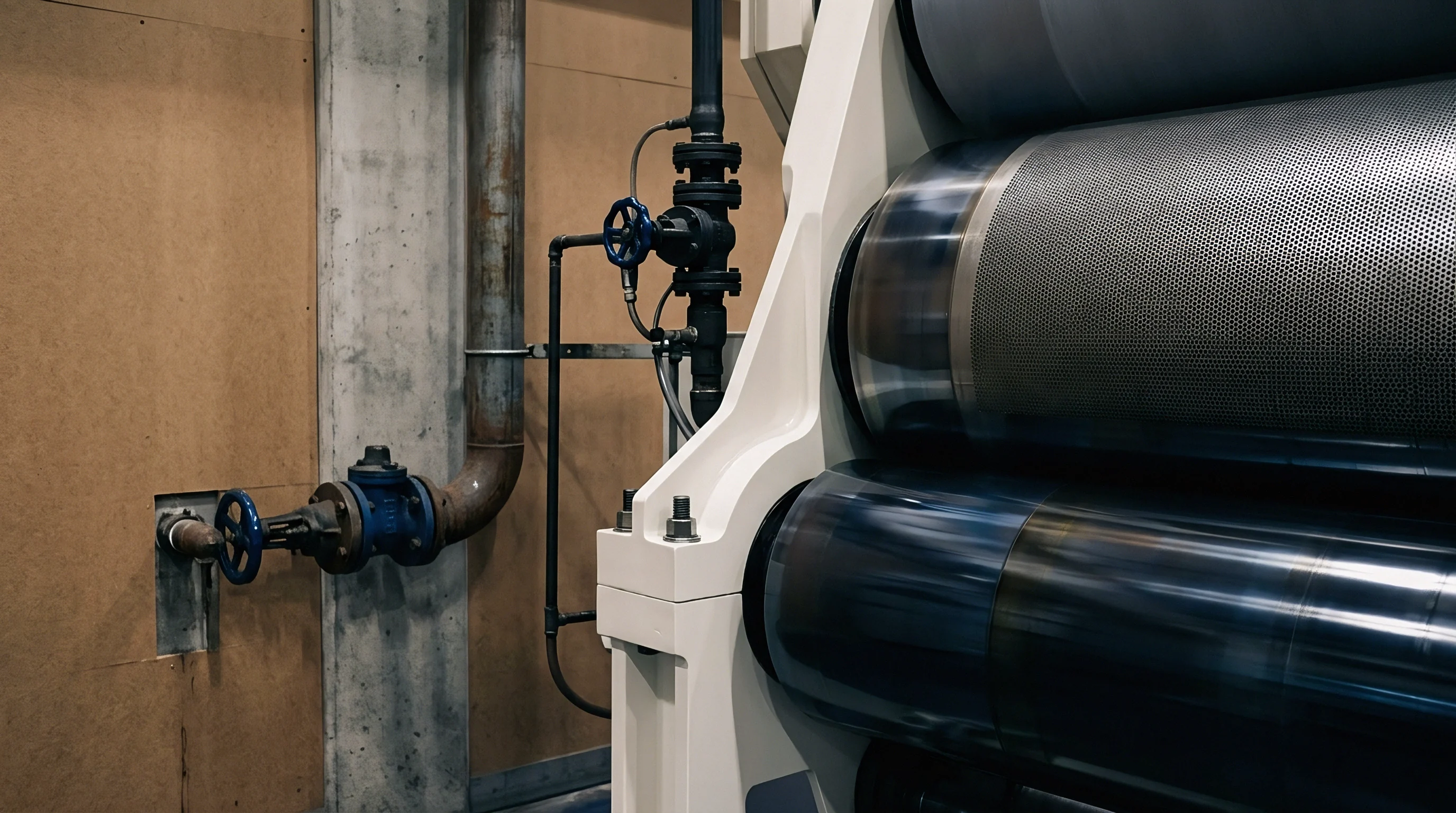
Cross-machine moisture control header assemblies rely on high-frequency pneumatic or electromagnetic metering components spaced at tight spatial intervals. Modern profiling manifolds house up to one hundred and twenty individual discharge zones across an eight-meter machine width. Each discharge zone features an independent control valve driven by a stepping motor or a pulse-width modulated solenoid switch.
Zone width determines profiling resolution.
Cross Direction Spatial Resolution and Header Architecture
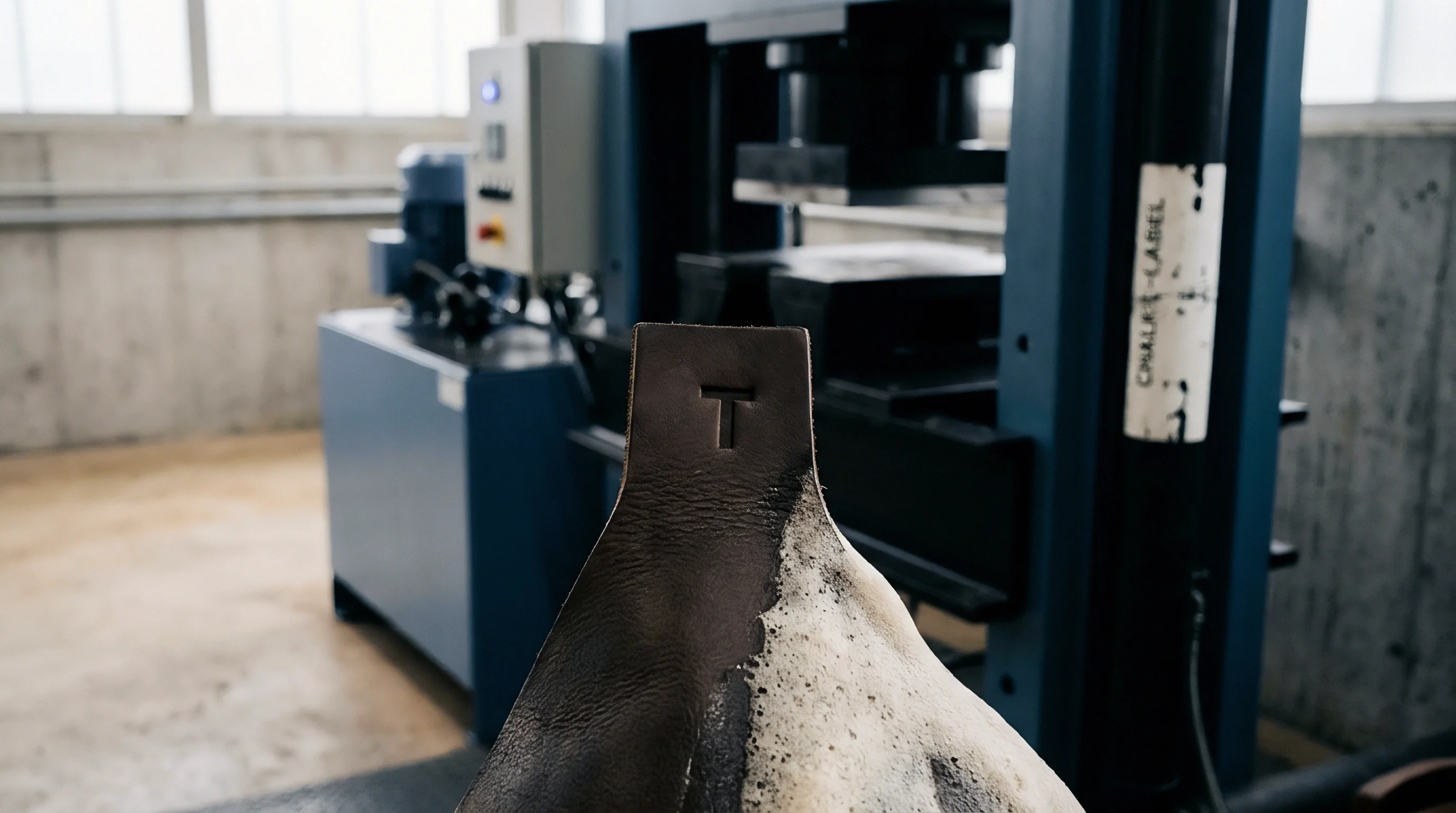
Narrow zone spacing prevents broad moisture streaks while increasing the total channel count across wide paper machines. Standard commercial headers standardize zone widths at fifty or seventy-five millimeters. Narrower spacing increases spatial control resolution, enabling the control system to correct tight, localized dry streaks without dampening adjacent web areas.
Internal header geometry maintains equal hydraulic supply pressure to all valves, preventing manifold pressure drops from distorting flow delivery at outer machine edges.
Valves operating within steam profiling headers utilize stainless steel internal trims and flexible elastomer seals rated for continuous thermal exposure above one hundred and forty degrees Celsius. Fast-acting solenoid coils cycle valve positions up to ten times per second, providing fine volumetric metering of steam mass flow rates into individual distribution chambers. Nozzle clogging alters zone output.
Actuator response delays exceeding thirty seconds create gain instability within high-speed automated feedback loops.
Closed Loop Dynamic Control and Sensor Alignment
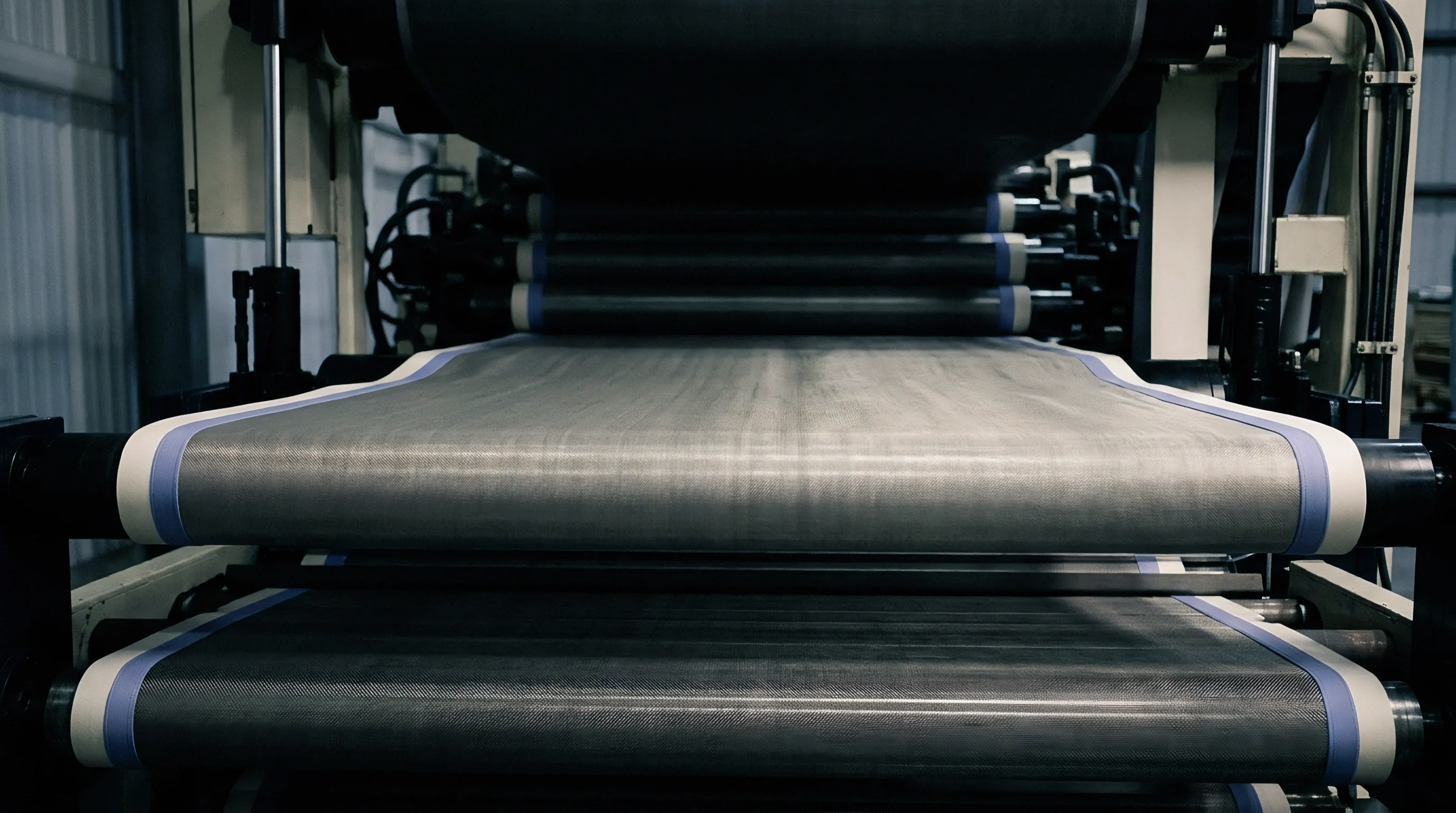
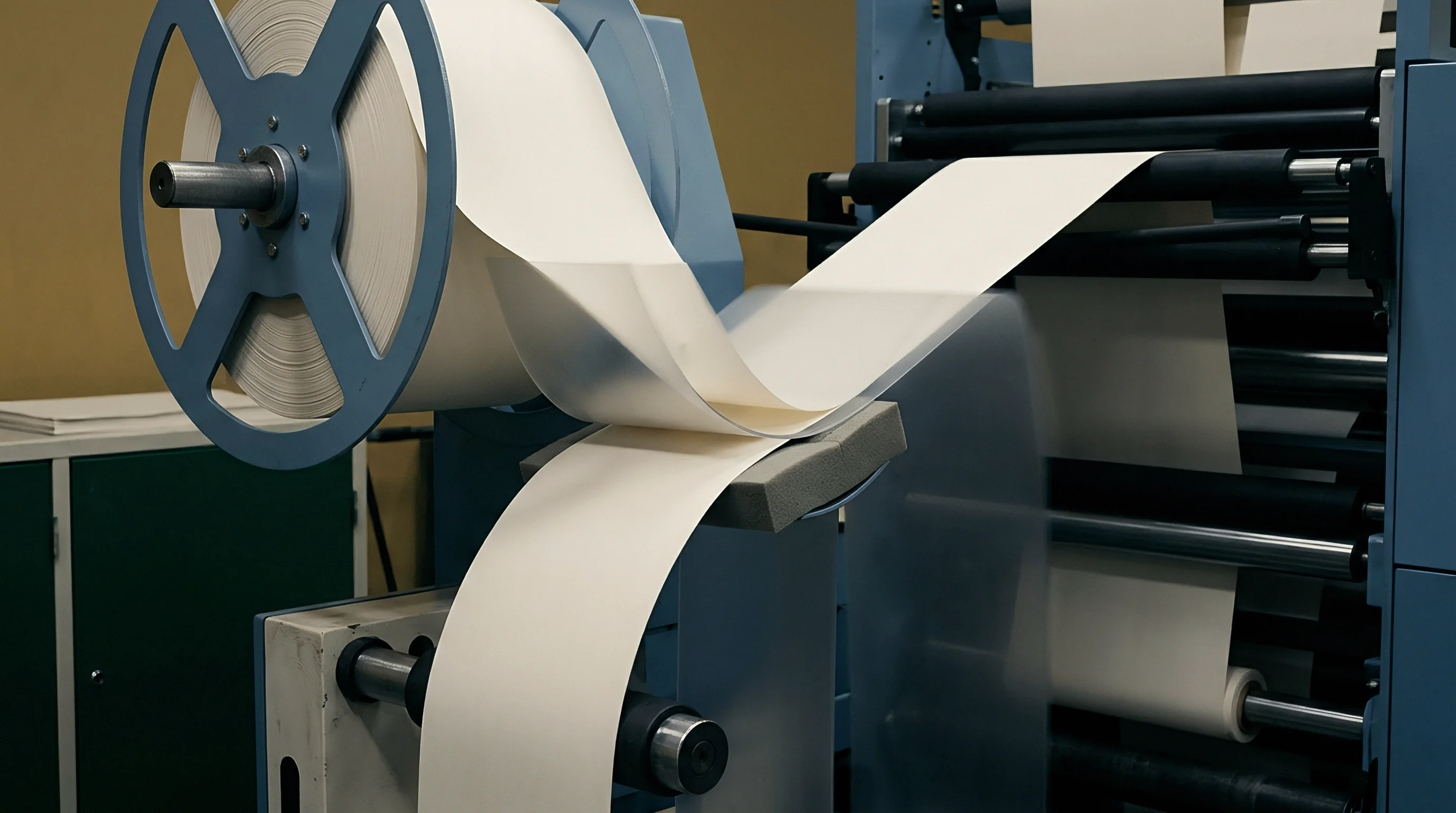
Scanning moisture gauges located at the reel send continuous basis weight and water content matrices to the process computer. Algorithms process raw sensor data through spatial mapping matrices to translate downstream measurement profiles into precise valve position adjustments at the calender entrance. This calculation accounts for web shrinkage, diagonal sheet displacement, and spatial dead time between the calender nip and the scanner frame.
- Calibrate downstream scanning sensor position arrays against physical machine centerline markers during planned machine stops.
- Perform step-change tests on individual actuator valves across machine quarter-points to establish spatial response mapping functions.
- Adjust proportional and integral controller gains to prevent valve hunting cycles when running light basis weight paper grades.
- Verify valve seal integrity using ultrasonic leak detection equipment during routine scheduled maintenance windows.
Actuator suppliers routinely claim that web streak variations stem entirely from upstream press roll wear rather than mechanical valve hysteresis inside the profiling header assembly.
Tolerance
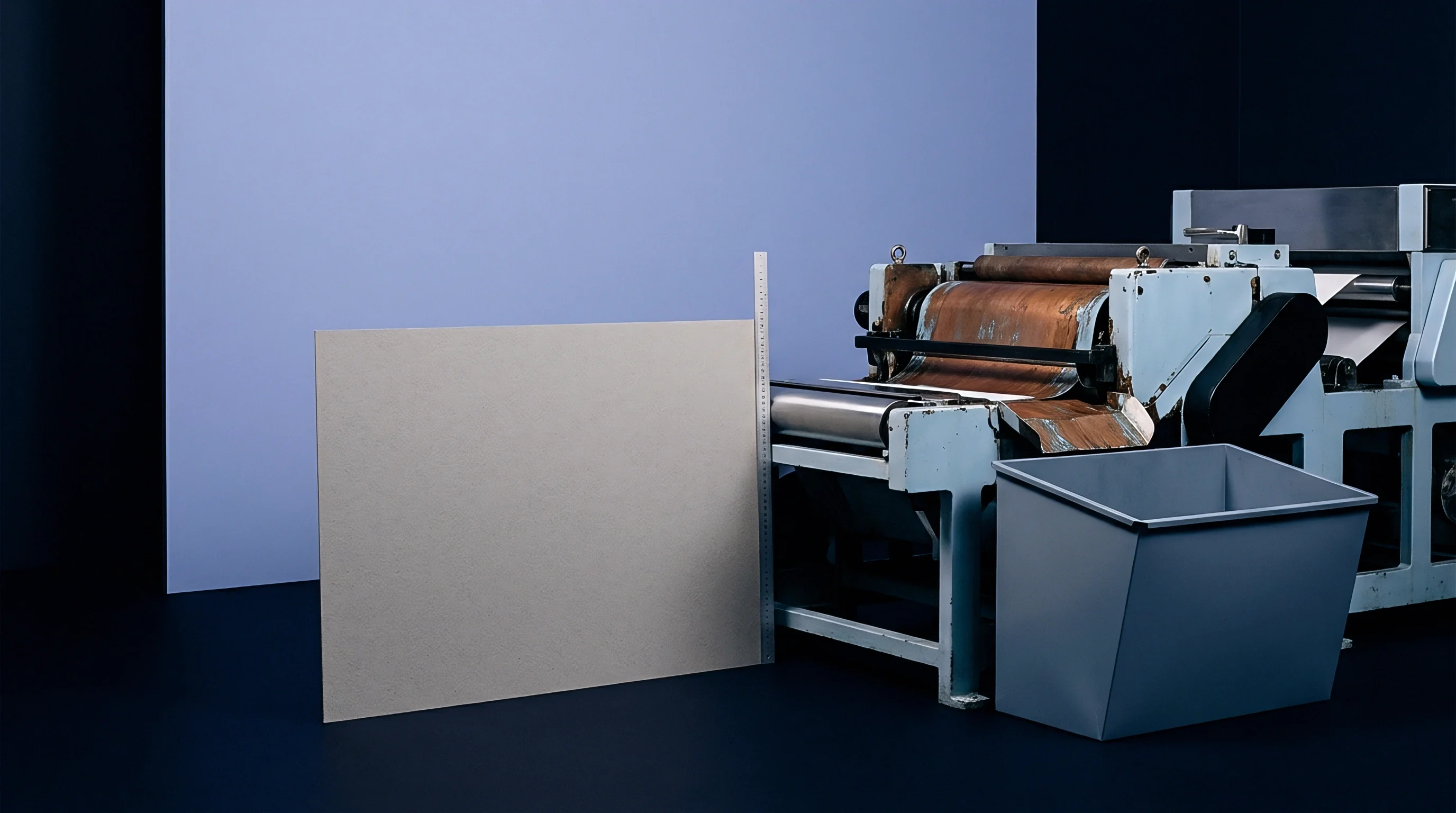
Caliper variation across the web causes severe uneven reel building, edge slackness, and roll telescoping at the rewinder. Maintaining tight cross-machine thickness tolerances requires continuous coordination between moisture profiling actuators and soft nip calender loading systems. Uniform moisture protects bulk yield.
In high-speed packaging board operations, cross-machine caliper variation must remain within tight bands to ensure uniform ink acceptance and consistent boxboard creasing performance during high-speed converting.
Economic Arithmetic of Cross Direction Caliper Variance
Parent rolls with uneven moisture profiles generate immediate waste during slitting operations. Consider a four-hundred-centimeter wide paper web produced at eight hundred meters per minute, manufacturing a two-hundred-and-fifty gram per square meter folding boxboard grade. Total web output equals eighty tonnes per hour.
Without active cross-machine moisture profiling, the cross-direction moisture variation holds at plus or minus one point four percent around a mean of seven point five percent. This moisture spread drives a cross-direction caliper fluctuation of plus or minus twelve micrometers across a target sheet thickness of three hundred micrometers.
Installing a seventy-five millimeter zone steam profiling actuator reduces cross-machine moisture spread to plus or minus zero point three percent. Consequently, sheet thickness variation drops to plus or minus two point five micrometers. Caliper drift creates rewinder waste.
| Operational Parameter | Unprofiled Calender Line | Actuator Controlled Line | Net Variance |
|---|---|---|---|
| CD Moisture Variance | ± 1.4% | ± 0.3% | 1.1% Reduction |
| CD Caliper Fluctuation | ± 12.0 μm | ± 2.5 μm | 9.5 μm Reduction |
| Rewinder Trim Waste Rate | 4.2% | 1.1% | 3.1% Reduction |
| Off-Spec Rejected Tonnage | 1.68 Tonnes | 0.44 Tonnes | 1.24 Tonnes Saved |
| Landed Substrate Cost per Lot | €48,000 | €48,000 | €0 Direct Material |
| Net Waste Cost Savings per Lot | €2,016 Baseline Waste | €528 Final Waste | €1,488 Savings per Lot |

Quantified Yield Loss in Boxboard Converting Operations
Assume a packaging converter processes a forty-tonne consignment of coated boxboard running on a high-speed sheet cutter. When cross-direction caliper variations exceed eight micrometers, the sheet cutter feeder experiences double-sheet feeds and misaligned edge stops. Downstream offset printing presses experience uneven blanket cylinder pressure, leading to variable ink transfer density and localized dot gain distortions.
The financial impact of converting failures manifests as direct material scrap and unrecoverable press room downtime. On a forty-tonne order valued at twelve hundred Euros per tonne, a three point one percent waste reduction recovers exactly twelve hundred and forty kilograms of usable board stock. This yield improvement saves fourteen hundred and eighty-eight Euros in direct material cost per run.
Additional productivity gains accrue from avoiding automated press stops caused by web thickness variations.
Stable sheet moisture profiles eliminate cross-direction density gradients before soft nip compaction.
Moisture uniformity directly determines how evenly a paper web absorbs mechanical compression across the entire roll face.
Interactions
Thermal loading on soft calender rolls creates localized expansion profiles that alter the mechanical pressure distribution across the web. Modern soft nip calenders combine synthetic roll covers with internal liquid temperature control circuits. When a wet streak enters the calender nip, localized evaporative cooling lowers the cover surface temperature at that specific axial location.
The cooled cover material contracts slightly, reducing localized nip pressure and compounding sheet thickness variations.
Thermal Expansion Dynamics of Elastomeric Roll Covers
Polyurethane covers exhibit a thermal expansion coefficient ranging from eighty to one hundred and twenty parts per million per degree Celsius. A localized temperature deviation of five degrees Celsius across a five-millimeter thick synthetic cover cover causes a cover radius change of up to three micrometers. In a high-pressure calender nip loading at two hundred kilonewtons per meter, this radius shift changes local linear nip load by up to eight percent.
Sheet temperature drives surface smoothing.
To stabilize these thermo-mechanical dynamics, paper mills combine cross-machine moisture profiling actuators with segmented induction heating profiling systems. Induction coils heat specific narrow zones on the opposing metal roll face, expanding the steel shell to offset localized elastomeric cover cooling. Dual actuator integration decouples surface gloss development from sheet caliper control.
Why Do Calender Nips Overheat across Machine Centerlines?
Friction within the elastomeric matrix generates internal hysteresis heat that elevates cover surface temperatures above set point targets. Internal hysteresis heat generation scales with machine speed, nip load, and cover indentation depth. Because web moisture alters cover indentation dynamics, cross-direction moisture profiles directly govern localized heat generation rates inside the roll cover material.
Uneven moisture entry generates localized thermal hot spots along the roll face. Hard spots destroy cover elasticity. Extended exposure to thermal hot spots degrades the synthetic polymer binder, causing cover blistering, localized de-bonding from the steel core, and premature roll failure.
- Thermal cover blistering occurs when localized internal hysteresis heat vaporizes trapped volatile compounds within the polyurethane binder matrix.
- Localized cover de-bonding results from high shear stresses acting on the bonding agent at the steel shell interface under uneven thermal loading conditions.
- Barring pattern formation develops when periodic cross-machine moisture pulses excite mechanical resonances within the elastic roll cover structure.
- Edge relief oxidation occurs when dry web edges create excessive friction temperatures along the un-wetted outer boundaries of the roll face.
Technical delivery terms for soft nip calender rolls define maximum allowable cross-direction surface temperature deviations at plus or minus two degrees Celsius.
Standard supply contracts dictate that paper machine operators maintain web moisture variation within specified limits or forfeit roll cover performance warranties.
Audit
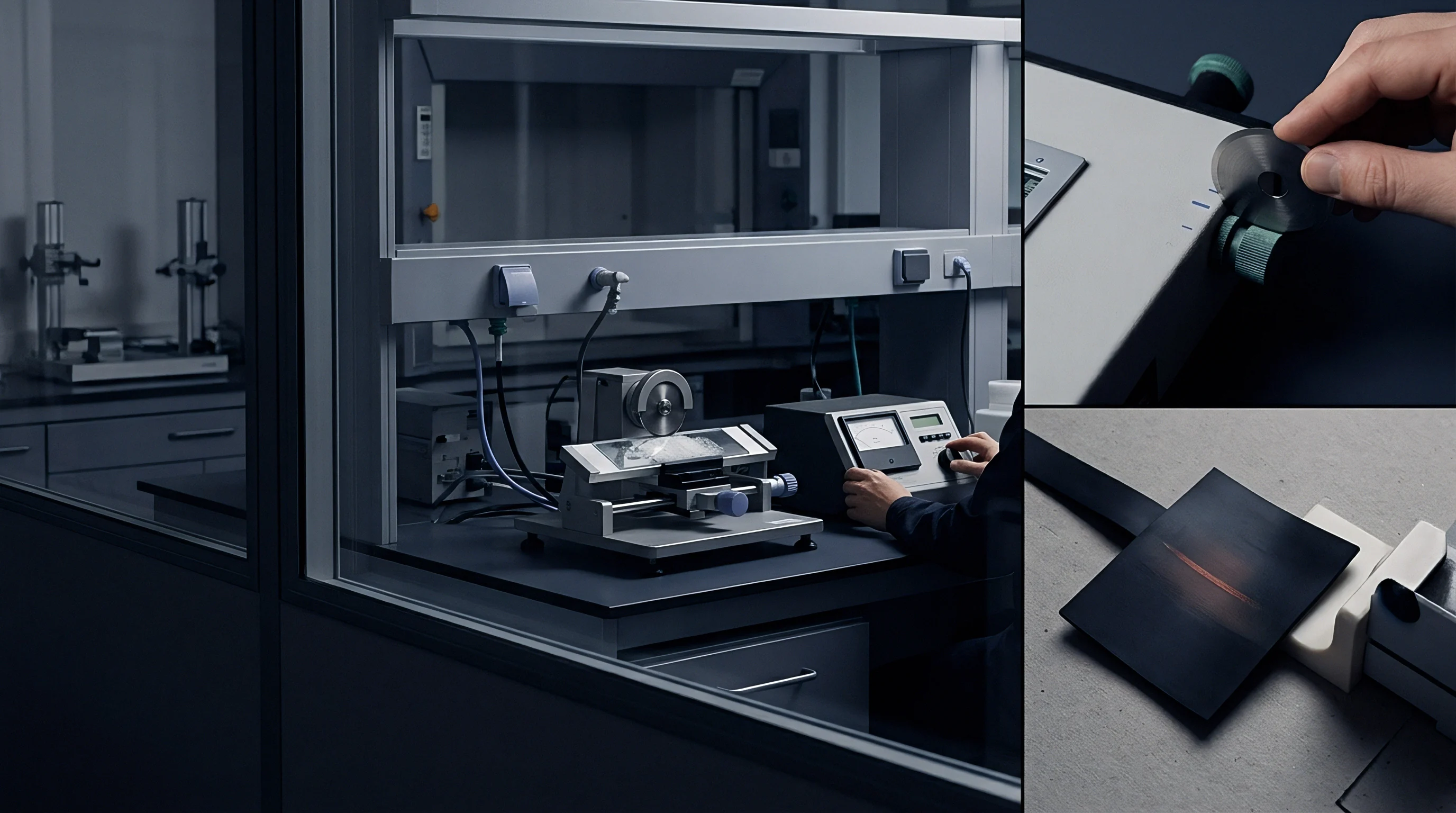
Verification of delivered web uniformity requires standardized lab testing of reel samples cut across the full machine width. Paper buyers specify cross-machine profile testing to confirm that mill-installed moisture profiling actuators operate within specified control bands. Standard testing standards mandate strict atmospheric conditioning to isolate native machine structural variations from ambient environmental moisture absorption.

Laboratory Protocol for Cross Direction Reel Profile Sampling
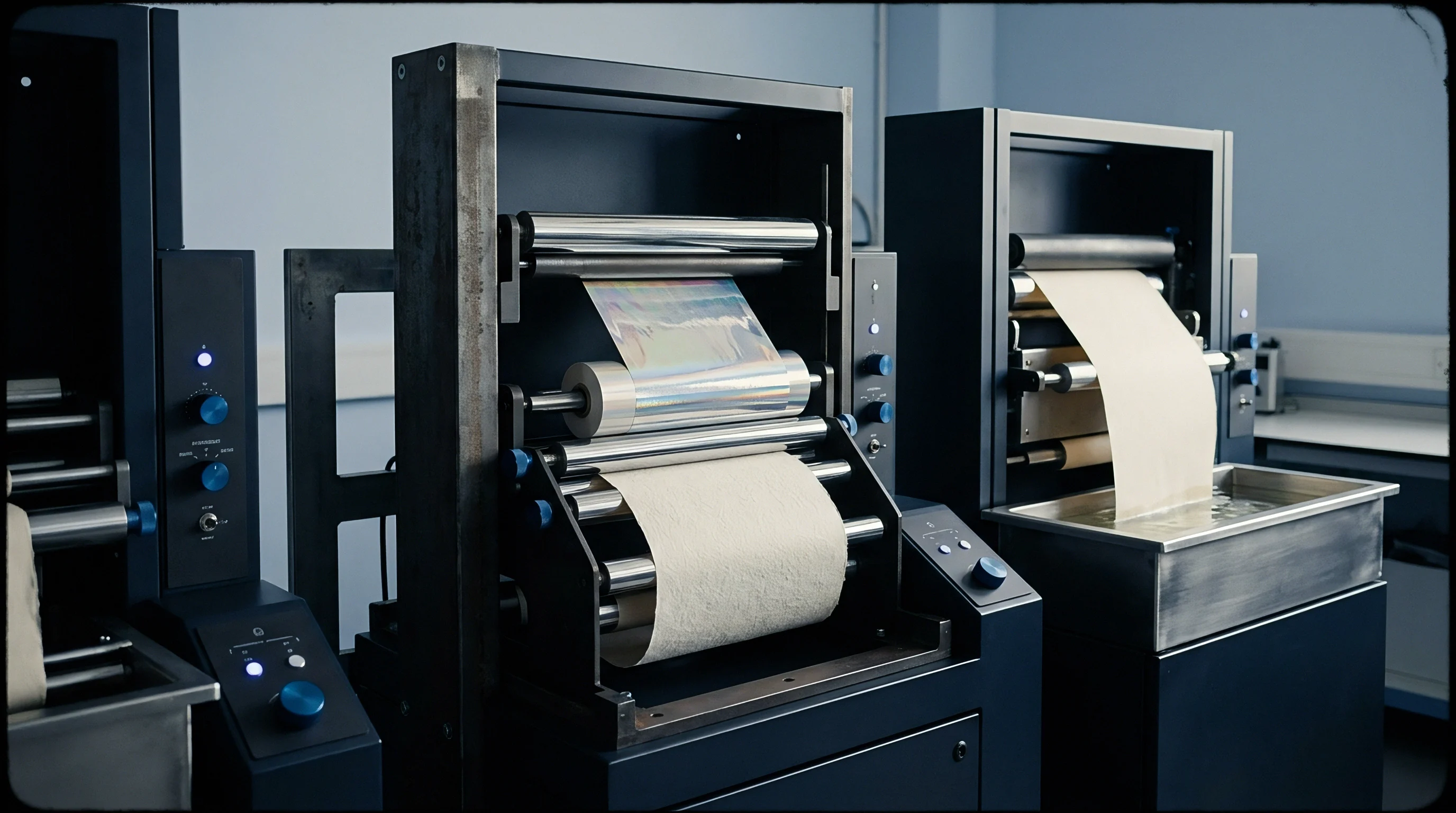
Technicians strip top layers from delivered parent rolls under controlled conditioning at twenty-three degrees Celsius and fifty percent relative humidity. Strip samples harvested across the full machine width undergo high-resolution caliper scanning according to ISO 534 test protocols. Parallel moisture profiles are evaluated via oven-drying loss techniques defined in ISO 287 or continuous near-infrared reflectance spectroscopy.
Wet edges cause roll telescoping.
| Property Measured | Standard Test Method | Conditioning Atmosphere | Target Precision Limit |
|---|---|---|---|
| Cross-Direction Caliper | ISO 534 / TAPPI T 411 | 23 °C, 50% RH | ± 1.5 μm |
| Web Moisture Content | ISO 287 / TAPPI T 412 | Sealed Vapor Barrier | ± 0.2% Absolute |
| Print-Surf Roughness | ISO 8791-4 | 23 °C, 50% RH | ± 0.10 μm (PPS 10) |
| Specular Surface Gloss | TAPPI T 480 (75°) | 23 °C, 50% RH | ± 2.0 Gloss Units |
Moisture streaks lower print opacity. Standard conditioning requires twenty-three degrees. Goods-in testing protocols established by major commercial packaging buyers set strict rejection thresholds for cross-machine profile variance.
When cross-direction thickness maps exhibit periodic spatial frequencies matching the zone width of mill profiling actuators, control loop instability at the papermaking line is immediately indicated.
The exact economic threshold where high-frequency moisture profiling data should be transferred directly into downstream printing press setup automation systems remains open for operational evaluation across the converting industry.