Shear Characterization
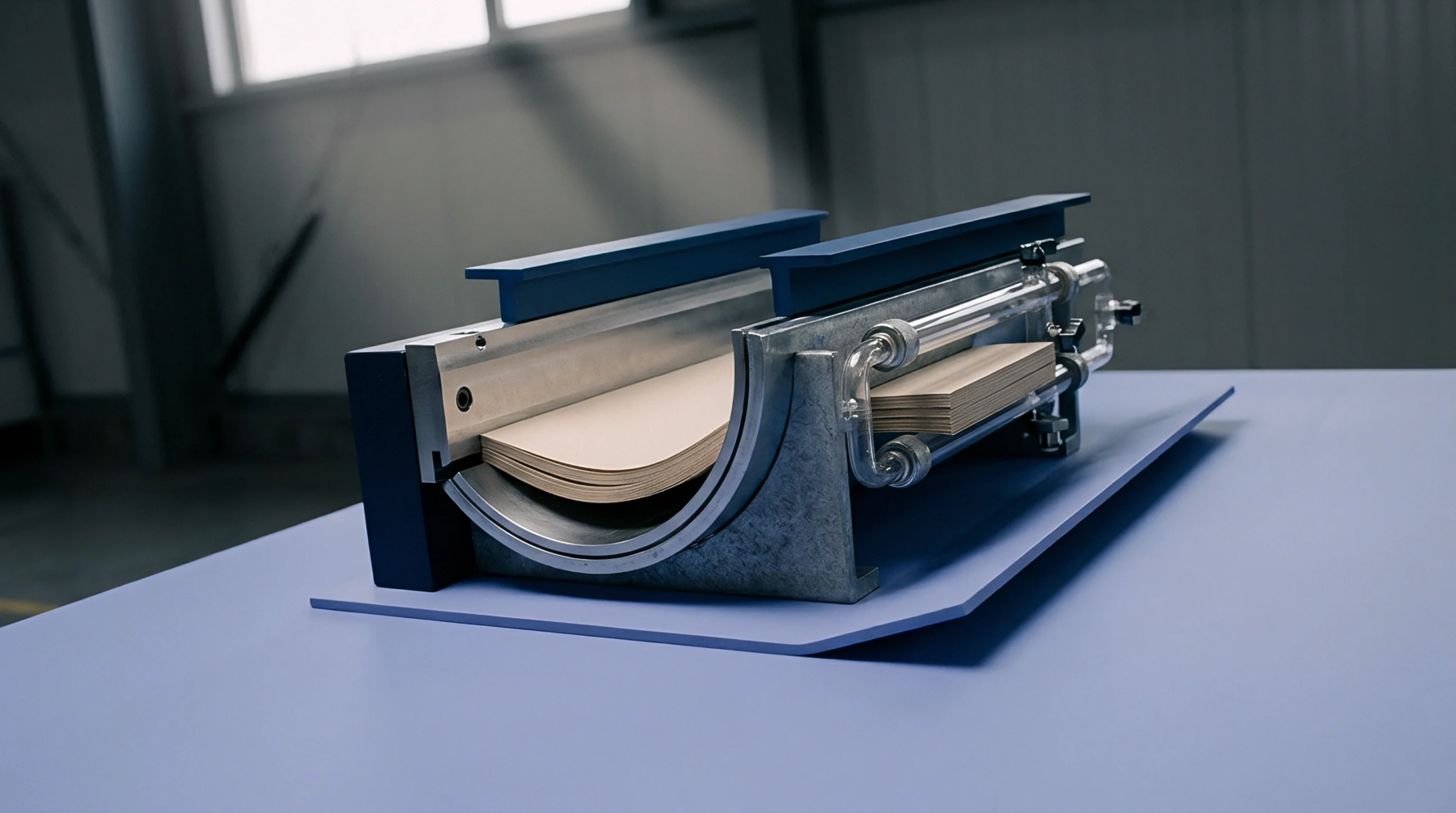
Procedural standard for determining the shear strength and modulus of sandwich core materials by means of a plate loading assembly. Testing under astm c273 involves bonding a core specimen between two stiff steel plates to ensure a uniform distribution of shear stress through the material thickness. This method defines the ultimate shear strength and the shear chord modulus for materials such as honeycomb, balsa, reinforced plastics, or polymer foams used in structural packaging panels.
The boundary of the test is reached when the adhesive bond between the specimen and the plates fails before the core itself ruptures.
Loading Geometry
Proper specimen preparation requires precise alignment to ensure the load application remains parallel to the plane of the core material. Tension or compression is applied to the loading plates, which then transfers the force into the substrate as a pure shear load. In paper based honeycomb, the orientation of the ribbons determines whether the L-direction or W-direction shear properties are being measured.
The resulting data allow engineers to calculate the stiffness of composite boards under transverse loads.
Result Accuracy
Deflection measurements must be taken from the movement of the steel plates relative to each other rather than from the crosshead displacement of the testing machine. Small errors in plate positioning or adhesive thickness can lead to substantial variations in the calculated shear modulus. Reliable data from this standard guide the selection of core grades for heavy duty shipping containers.