Film Formation
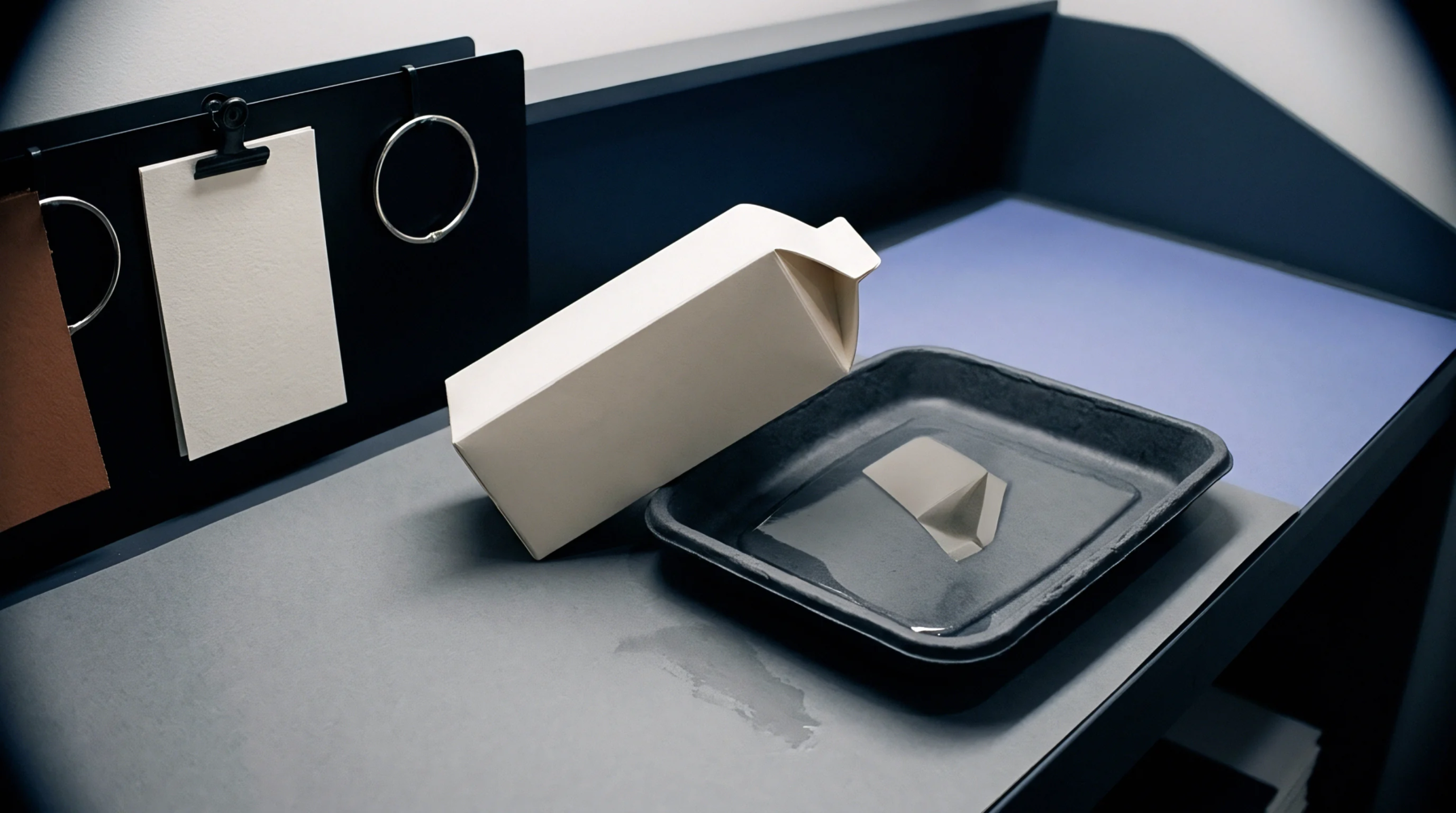
Drying stage structural rearrangement transforms liquid polymer dispersions into continuous nonporous films across fibrous webs. Water evaporation forces suspended synthetic particles into dense packed arrays before thermal energy drives polymer chain entanglement across particle boundaries. Mechanical densification during barrier coating consolidation determines the final water vapor and grease resistance of coated boxboard grades.
Lower drying temperatures below the glass transition threshold leave microscopic capillary voids throughout the polymer matrix. High temperature infrared drying accelerates solvent removal while maintaining web mobility required for uniform film density.
Substrate Permeation
Porous paperboard structures absorb liquid phase binders during application, pulling low viscosity fractions into the base sheet prior to film formation. Capillary action within the cellulose network competes directly with surface evaporation rates, altering the volumetric distribution of the dry polymer layer. Excessive fluid migration starves the surface web of binder material, weakening the continuous barrier coating consolidation required for oil resistance.
Higher base board sizing delays liquid absorption, maintaining a concentrated coating layer on the surface fiber network. Substrate roughness further dictates layer uniformity, as valleys accumulate thick polymer deposits while peaks receive minimal coverage. Converting steps such as creasing or folding generate localized strain that cracks under-consolidated areas, exposing raw fibers to grease penetration.
Optimizing coat weight alongside web temperature profiles prevents localized film failure during box forming.
Structural Integrity
Measurement of holdout performance relies on standardized turpentine tests or water vapor transmission rate analysis across folded samples. Standardized testing protocols evaluate how barrier coating consolidation resists chemical passage after mechanical creasing. Defective barrier coating consolidation increases edge wick vulnerability during extended liquid contact.