Barrier Layer
Barrier film thickness determines the physical dimension of the deposited extrusion coating or vacuum metallized layer on a flexible packaging substrate. Precise measurement of barrier film thickness dictates oxygen and moisture vapor transmission rates across paper and board converting lines. Extrusion coaters and vacuum deposition chambers regulate this parameter to prevent premature product degradation in retail environments.
Industrial packaging standards enforce strict dimensional tolerances because micro-defects in thin coatings destroy barrier integrity entirely. Substrate surface energy and web speed govern the final deposition scale during high speed lamination runs.
Coating Control
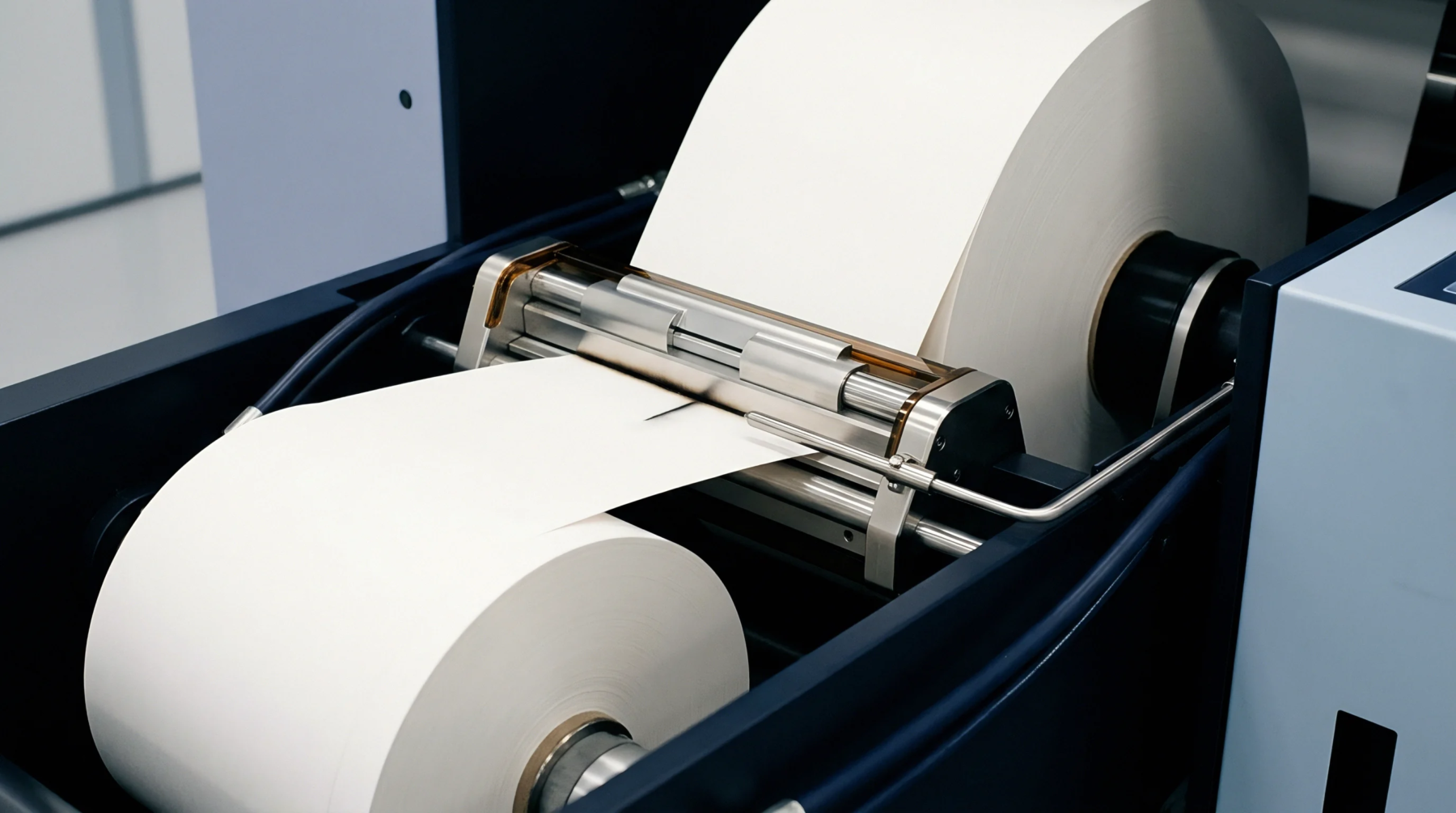
Converting plants monitor optical density and gravimetric weight to estimate microscopic layer dimensions without destroying production reels. Die gap adjustments and extrusion temperature profiles manage the polymer mass deposited onto the fibrous paperboard carrier. Infrared sensors scan the moving web continuously to detect caliper anomalies before final winding occurs.
Fluctuations in ambient humidity alter drying rates and subsequently change the final solidified coating profile. Operators calibrate inline gauges against laboratory gravimetric tests to maintain strict contractual compliance with food safety regulations.
Substrate Performance
Laminated packaging structures rely on exact micron values to resist grease and gas permeation during extended shelf life storage. Excessive polymer volume adds unnecessary material cost and creates stiffness issues during subsequent folding carton converting operations. Insufficient coating depth allows atmospheric moisture to soften the underlying paperboard and ruin structural rigidity.
Folding carton manufacturers balance barrier film thickness against creasing performance to prevent cracking along crease lines. Final package durability depends entirely on maintaining uniform coating distribution across rough fibrous surfaces.