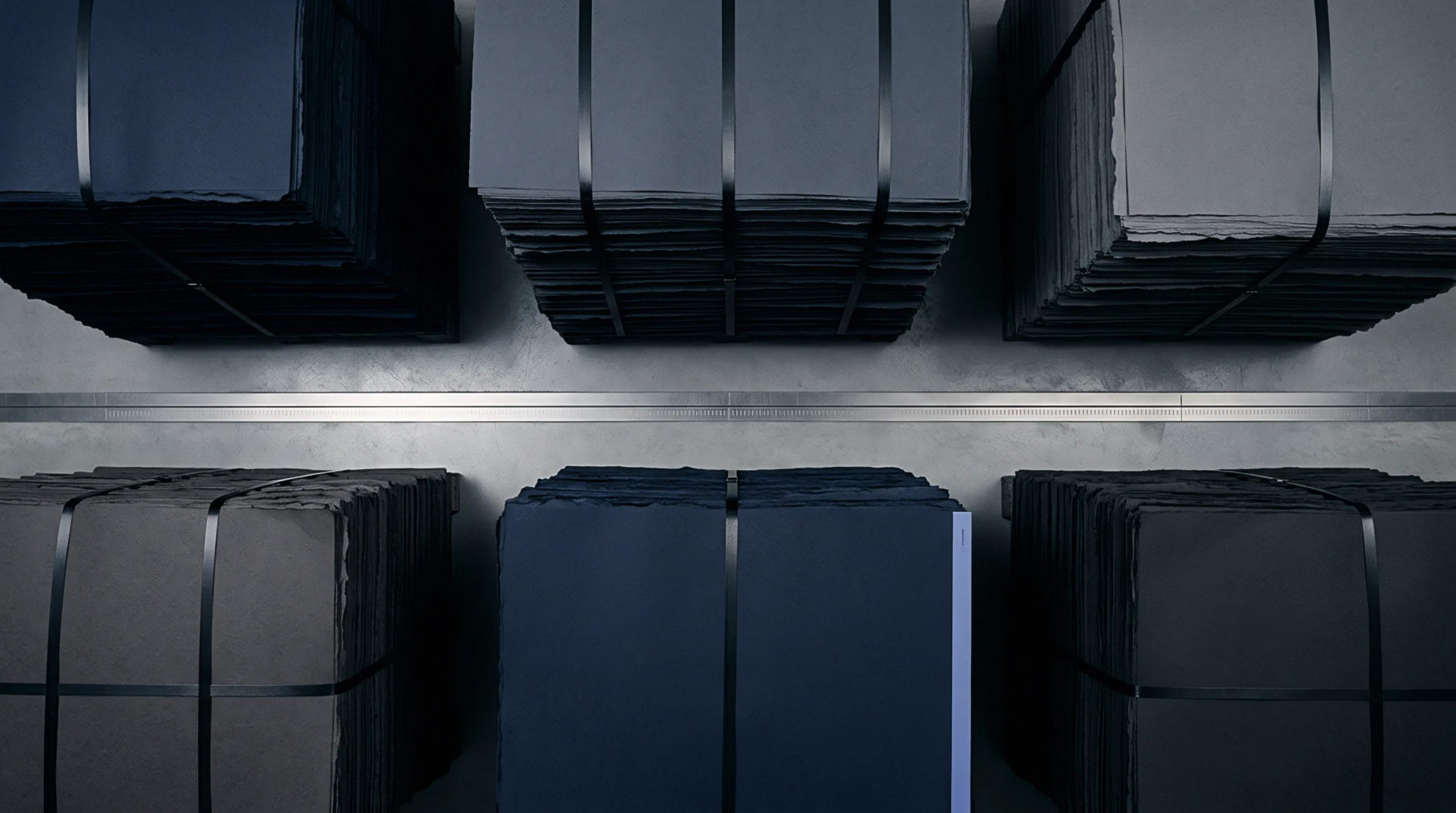
Containment Method
Protective application of specialized plastic films around palletized paper goods prevents moisture ingress and physical abrasion during transit. Barrier stretch wrapping utilizes multi-layered polymers often incorporating ethyl vinyl alcohol or metalized additives to block oxygen and water vapor. Multilayered wraps differ from standard collation films by providing specific permeability ratings measured in grams per square meter over twenty-four hours.
The barrier properties remain effective until the film is punctured or the overlap seals fail.
Application Tension
Mechanical rollers pre-stretch the material to a predetermined percentage of its original length before it meets the load. This process increases the yield of the film while simultaneously enhancing the containment force exerted on the paper reels or stacked board. High-performance wrapping equipment maintains constant torque to avoid crushing the edges of delicate corrugated containers or thin paper stocks.
If the tension exceeds the structural integrity of the substrate, the resulting deformation compromises the stack stability. Automated systems monitor the film neck-down to ensure the width remains sufficient for full coverage of the height of the unitized goods. Consistent application reduces the risk of load shift during abrupt stops or heavy vibrations in truck transport.
Environmental Resistance
Proper sealing of the top and bottom of the pallet ensures that the barrier remains intact against fluctuating humidity levels in sea freight containers. Total encapsulation prevents the hygroscopic paper fibers from absorbing ambient moisture, which otherwise leads to dimensional instability and printing difficulties. The barrier properties remain effective until the film is punctured or the overlap seals fail.