Reduction Metrics
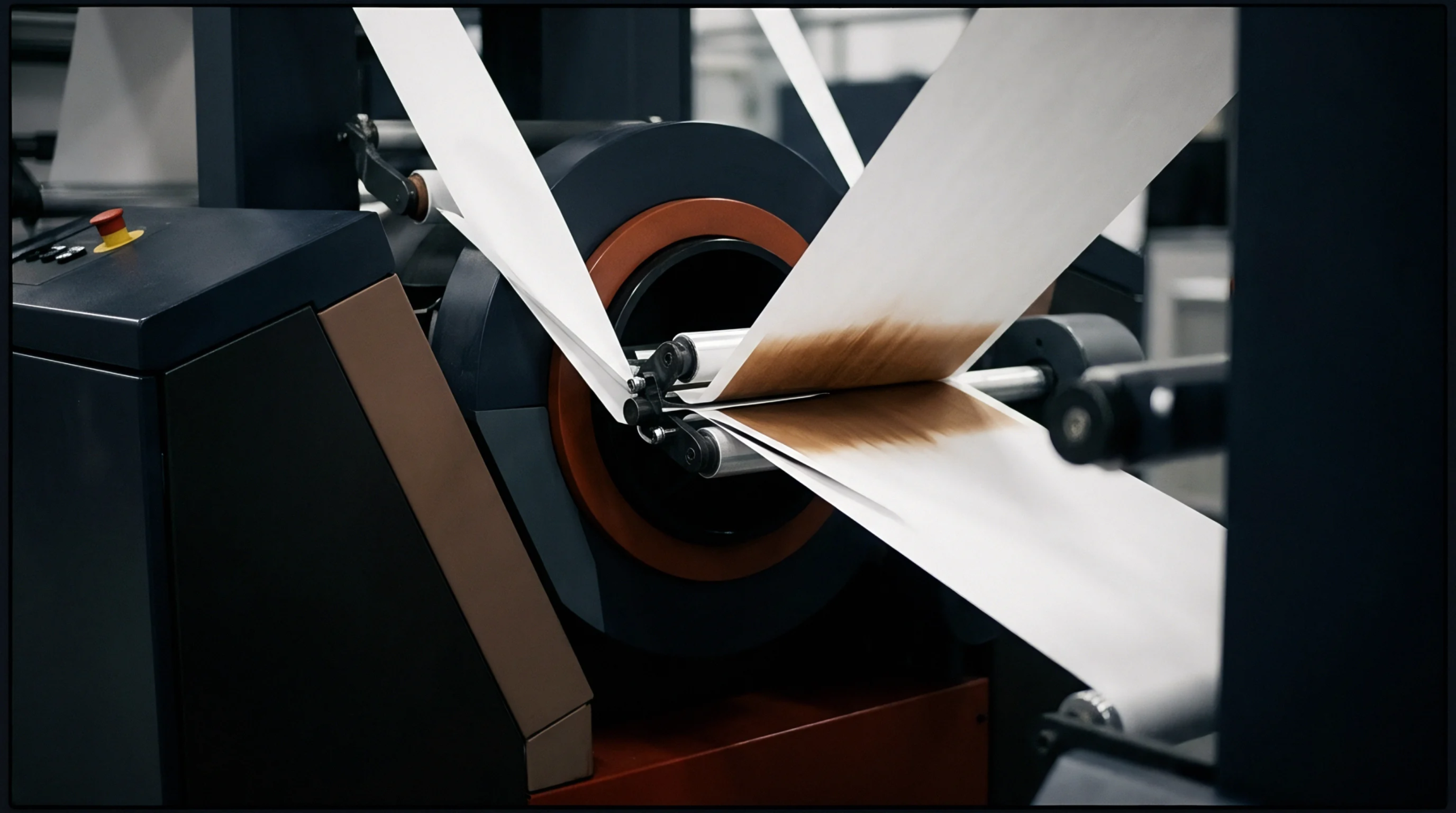
Grammage modification represents a technical shift toward lower mass per unit area in substrates like paperboard or flexible films. Basis weight down-gauging aims to improve yield and reduce raw material costs while maintaining structural integrity for the end user. This practice necessitates precise control over refining, wet end additives, or extrusion settings to ensure the thinner material retains essential physical performance attributes.
Performance Equilibrium
Tensile strength and stiffness often decrease proportionally with mass, forcing engineers to compensate through chemical reinforcement or fiber orientation adjustments. Changes in the manufacturing line require a recalibration of tension controls to accommodate the altered physical profile of the substrate. Suppliers maintain quality standards by testing burst strength and caliper consistency against the newly established target weight.
When a converter adopts thinner stocks, the tolerance for moisture fluctuations tightens across the production floor.
Application Threshold
Material limitations define the boundary where structural failure overrides cost benefits. Extreme thinning results in issues such as sheet breaks during printing or box collapse during distribution and stacking. Mills avoid these risks by performing lab testing that simulates actual stresses placed on the container under climate-controlled conditions.
Thinning the substrate past a functional limit creates supply chain waste rather than efficiency gains.