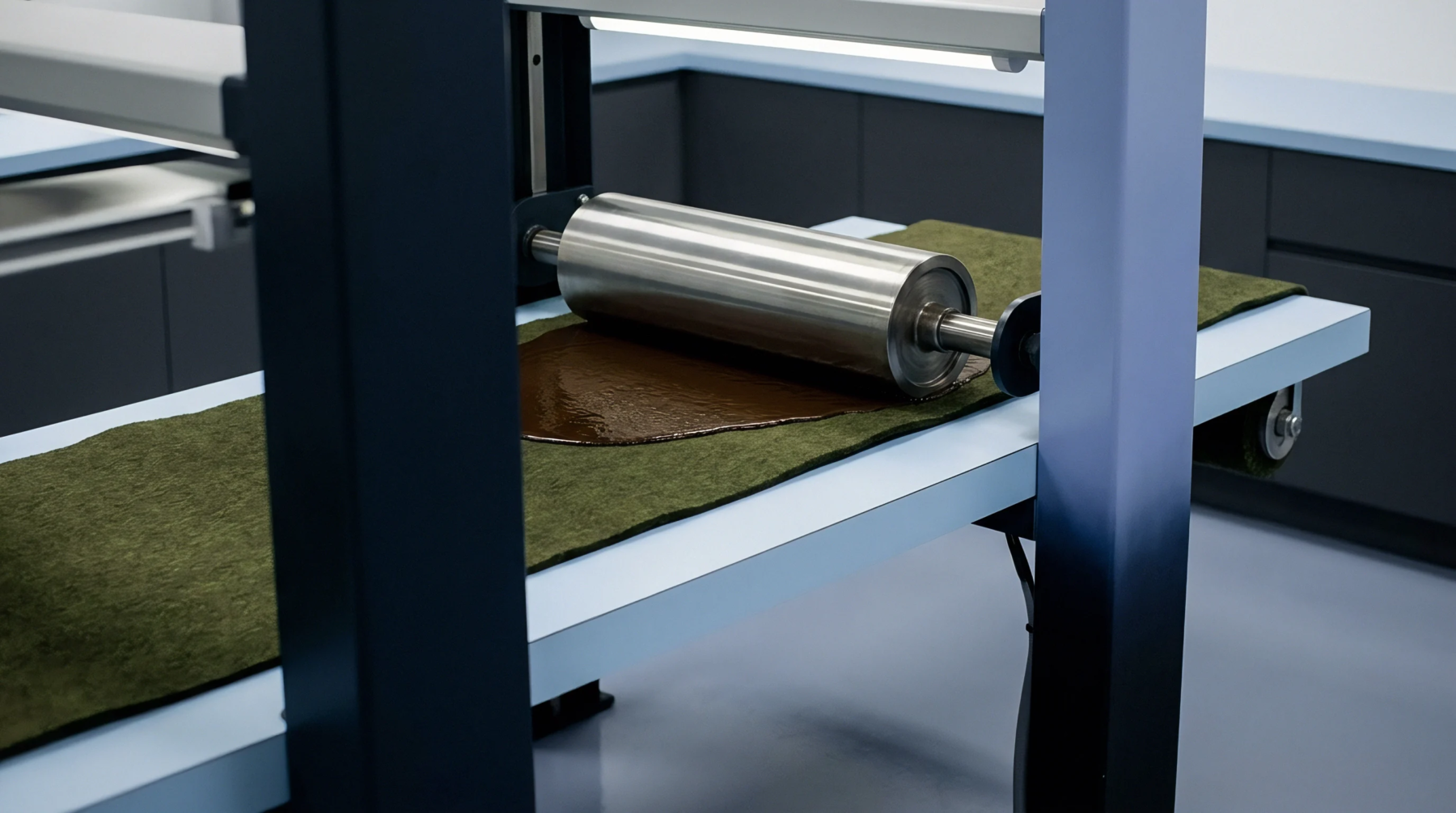
Delamination Profile
Laminar separation within paperboard plies during high-temperature converting creates localized gas-filled voids that rupture surface appearance and weaken structural rigidity. Rapid expansion of trapped moisture or volatile solvent vapor forms blister defects when internal vapor pressure exceeds the z-direction tensile strength of the fibrous web. These localized delaminations occur primarily during heat-seal packaging or high-velocity hot air drying.
Fiber bonding fails along weak inter-ply interfaces where moisture accumulation remains high.
Vapor Mechanism
Internal vapor generation follows rapid thermal energy transfer into saturated board structures. As surface temperatures exceed the boiling point of water during hot-melt coating or flame sealing, moisture trapped within inner plies vaporizes into steam. When the vapor escapes slower than the heating rate, internal pressure mounts within the porous fiber network.
The internal stress splits the sheet laterally along the weakest structural boundary, producing hollow bubbles beneath the coated face. Higher base sheet moisture levels combined with dense, low-permeability surface coatings accelerate gas accumulation. Lowering web drying temperatures or adjusting steam shower application prevents vapor accumulation while maintaining targeted bonding temperatures across packaging runs.
Refining intensity also alters inter-ply bond distribution, shifting the locus of failure toward weaker unrefined core plies when wet-end drainage falls out of balance.
Drying Threshold
Web moisture content above eight percent combined with drying air temperatures above two hundred degrees Celsius increases void formation. Beyond this operational threshold, blister defects propagate across the entire converting width.