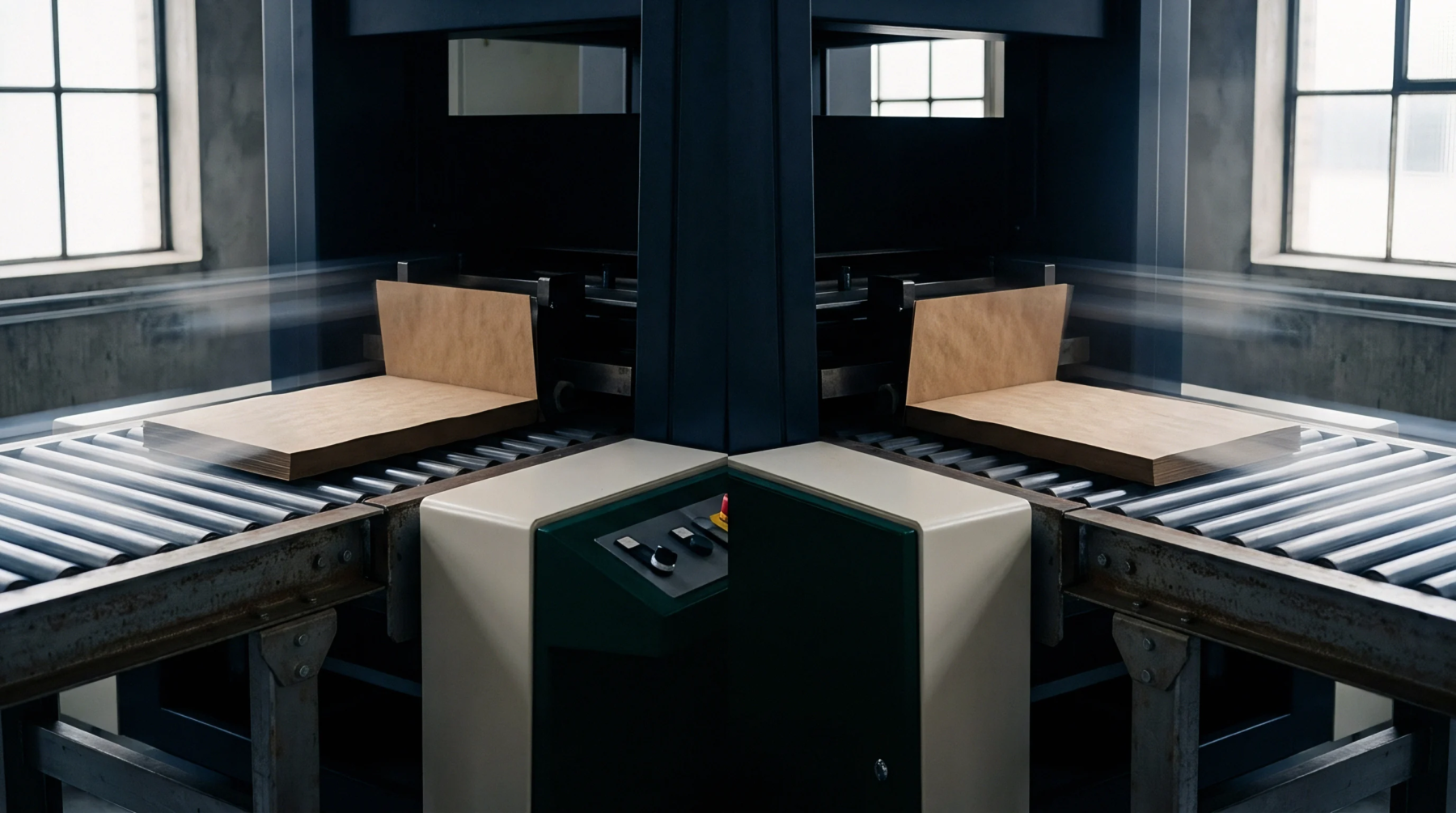
Selective Softening
Thermal variations across the width and through the thickness of the paper web influence the final smoothness and density of the sheet. The calendering temperature gradients allow for the selective softening of surface fibres without compacting the internal structure of the board. This control prevents the loss of bending stiffness while achieving a high gloss finish.
Bulk Retention
Heating the outer rolls while keeping the core of the sheet cool creates a specific moisture and heat profile. This state enables the surface to become plastic under the pressure of the nip. If the heat penetrates too deeply, the entire sheet loses its bulk and becomes brittle.
Modern mills use induction heating or internal oil circulation to maintain these precise differences. The system responds to feedback from scanners to adjust the temperature in specific zones. Higher roll temperatures reduce the need for extreme pressure, which protects the structural integrity of the fibres.
Surface Uniformity
Consistent heat distribution ensures that ink absorption remains uniform across the entire print run. If one side of the roll is hotter than the other, the resulting density variation causes mottling and registration errors. Managing the thermal profile reduces the risk of sheet blackening and surface picking during high-speed offset printing.