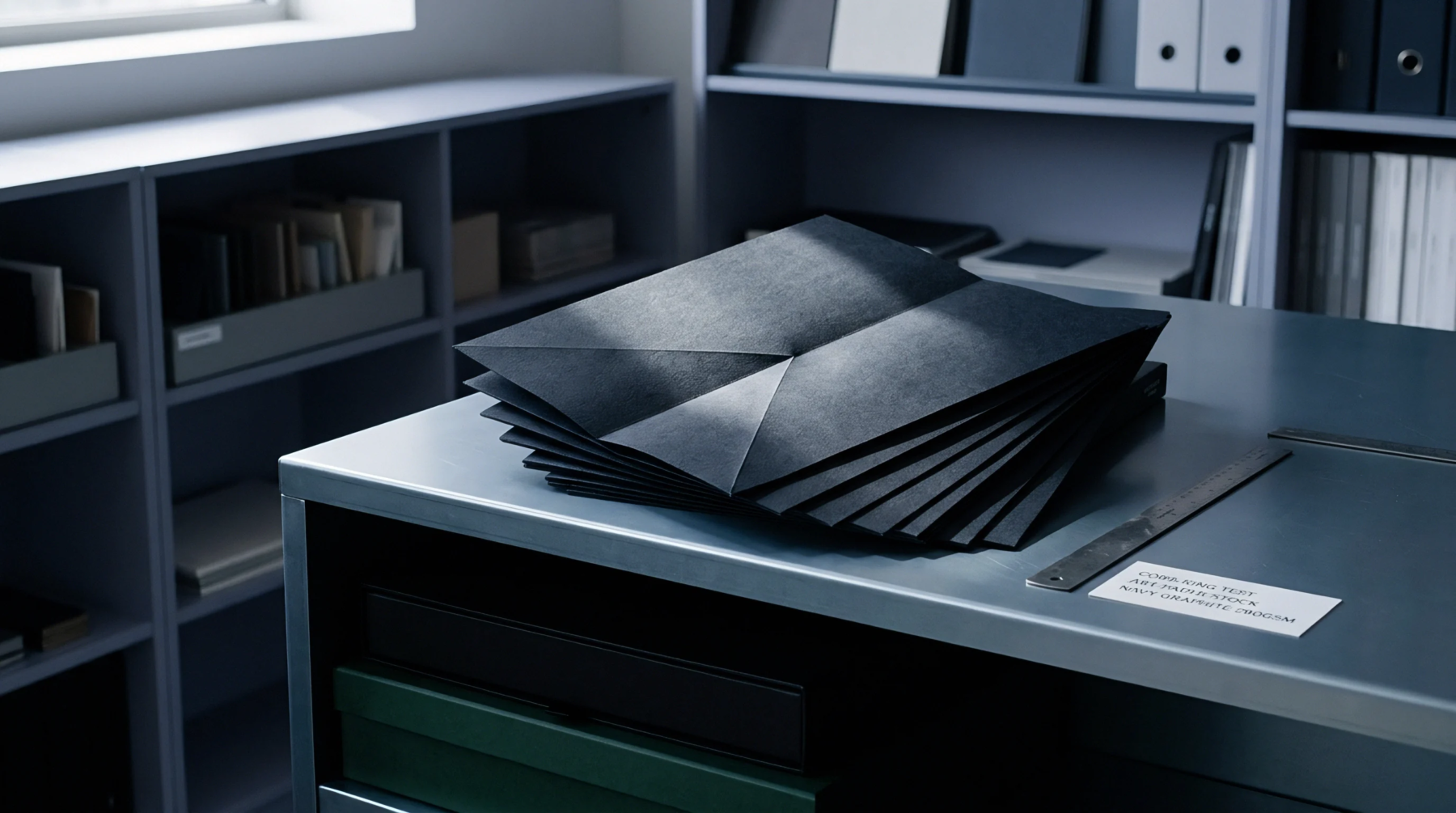
Material Degeneration
Synthetic coatings and cellulose fibres undergo glass transition and loss of plasticising bound water under low temperatures. Packaging substrates subjected to refrigerated or sub-zero environments experience cold-storage embrittlement, which reduces impact resistance and flexural stamina in cartonboard and corrugated boxes. The phenomenon alters the viscoelastic balance within paperboard matrix networks, causing stiffening in amorphous polymer regions.
Uncoated folding boxboard and film-laminated solid bleached sulphate substrates both show increased susceptibility when relative humidity drops below controlled equilibrium limits. The mechanism stops governing failure once ambient temperature rises above the glass transition threshold of binder systems.
Structural Failure
Crease lines and score channels act as localized stress concentrators when converted corrugated sheets are folded into transport cases. Under frozen storage conditions, cold-storage embrittlement induces micro-cracking along these fold lines during mechanical handling or pallet stacking operations. Crease stiffness rises while score line elongation drops, preventing paperboard from absorbing impact energy through controlled deformation.
Vertical compression load strength drops as a consequence, leading to box corner buckling in automated distribution warehouses.
Environmental Threshold
Freezing chambers maintained between minus twenty and minus thirty degrees Celsius cause rapid migration of unbonded moisture away from the board surface. Adding synthetic latex modifiers or polyethylene glycol plasticisers to surface coatings counteracts cold-storage embrittlement by lowering the glass transition point of the barrier film.