Finishing Operation
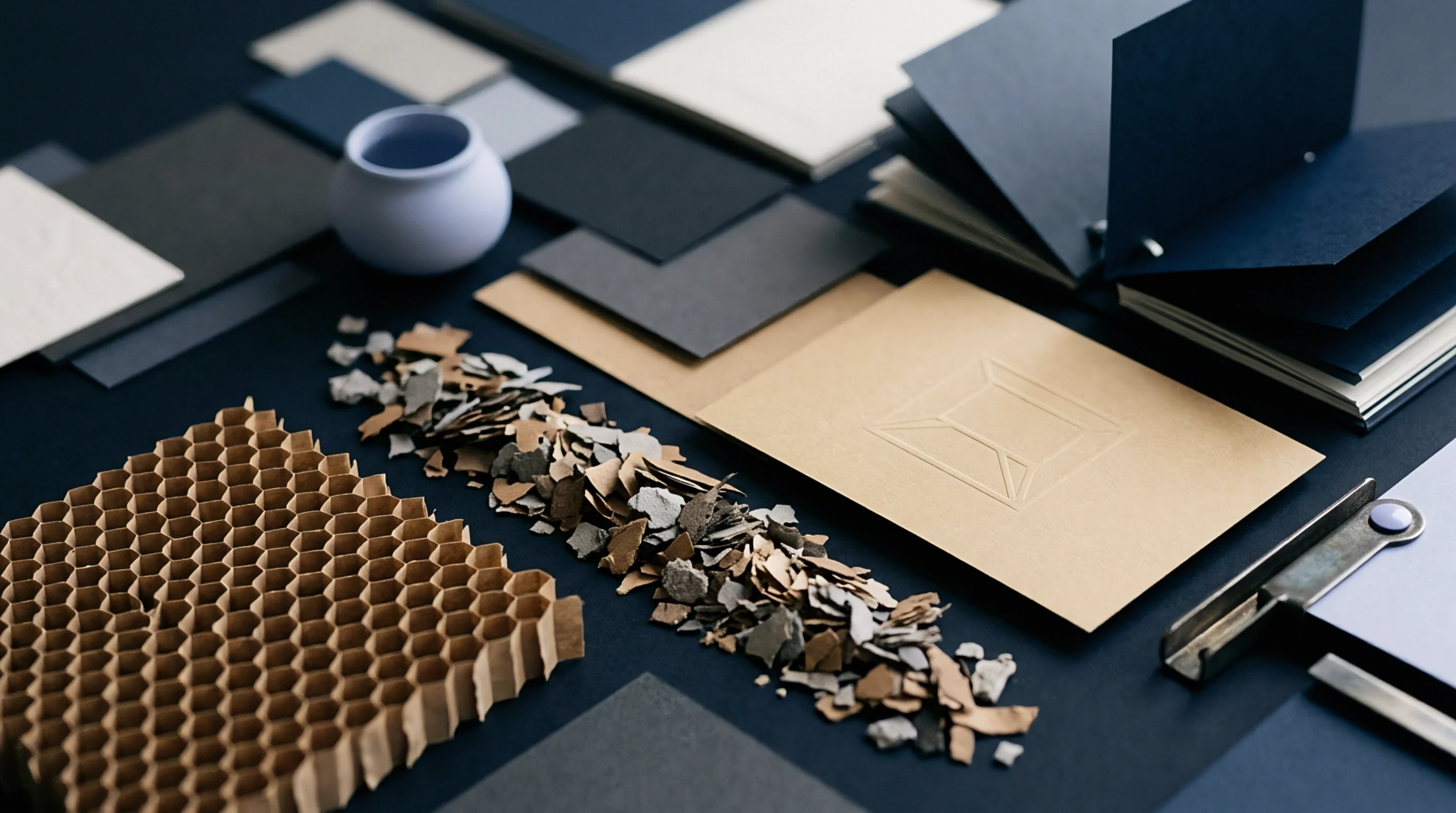
Mechanical alteration of a substrate surface creates both raised relief and decorative foiling in a single pass through the press. While standard stamping requires two separate stations, combined embossing uses a specialized die to apply heat, pressure, adhesive and metallic film simultaneously. This method ensures perfect registration between the texture and the color.
It reduces the mechanical stress on the paperboard by limiting the number of times the sheet is compressed.
Tooling Configuration
Internal heating elements within the cylinder maintain the precise temperature needed to release the foil adhesive. The male counter die must align perfectly with the female engraved plate to prevent shearing the paper fibres. Because combined embossing performs two functions at once, the tooling requires harder alloys like brass to withstand the increased striking force.
These dies are often hand finished to ensure the bevels do not pierce the coating of the stock. Precision in the die height determines the crispness of the final image.
Substrate Suitability
Heavyweight boards with high long fibre content provide the best results for deep impressions. If the material is too brittle, combined embossing causes cracking along the edges of the raised areas. Selecting a board with a high moisture content and good tensile strength prevents surface rupture during the rapid deformation.
Soft touch coatings or thick varnishes might interfere with the foil transfer and require adjustment of the dwell time.