Plate Calibration
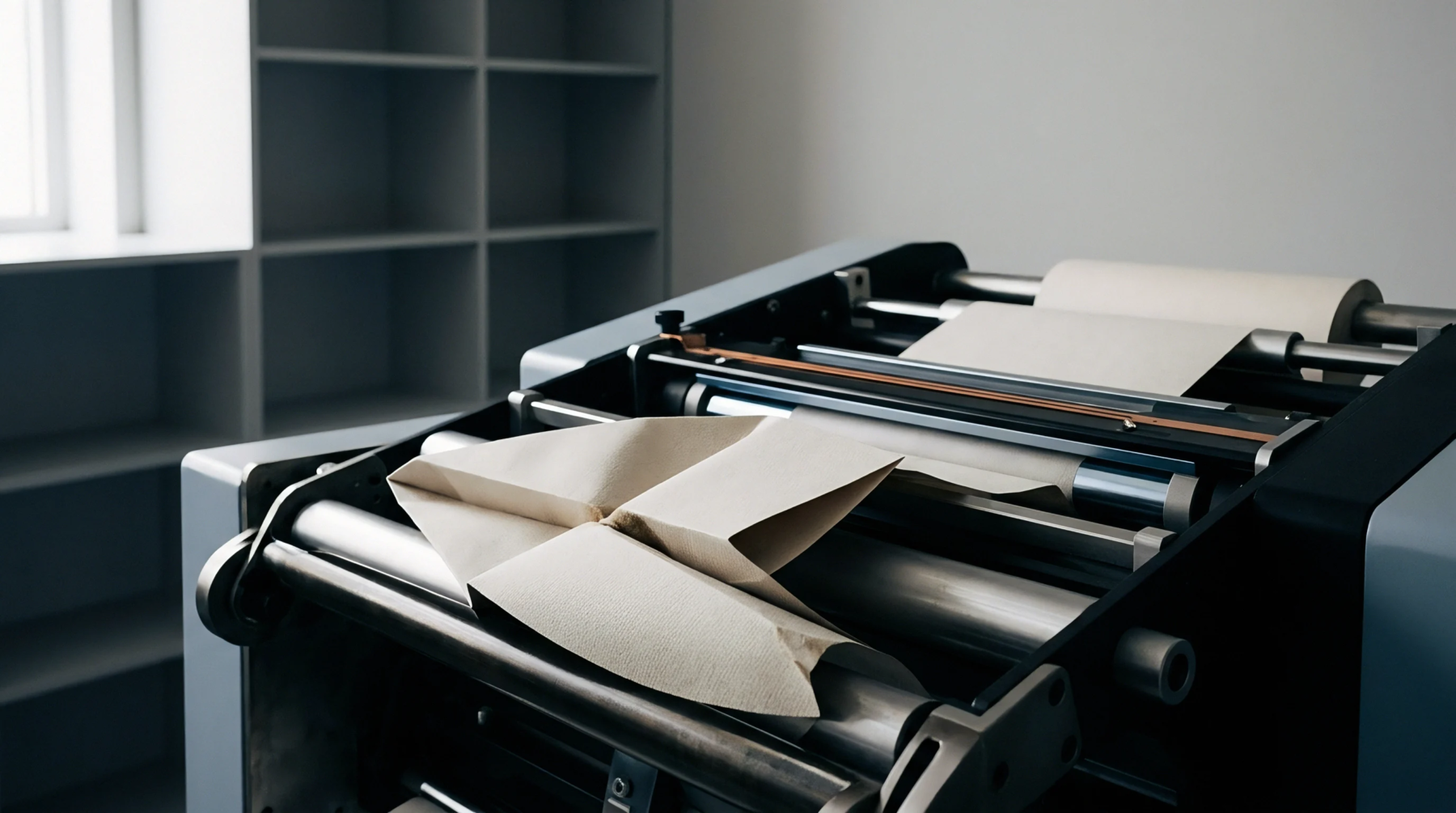
Rotary die cutting relies on precise dimensional matching between the cutting cylinder and the metal cylinder carrying the engraved relief. Counter plate milling establishes the exact depth profile required on the anvil cylinder or backing jacket to receive the rule correctly during high speed paperboard conversion. Mechanical engraving tools carve specific micro channels into the hardened steel surface to match the caliper and crush resistance of the incoming folding boxboard.
Production tolerances demand depth variations within fractions of a millimeter to prevent premature wear on the cutting edges.
Caliper Compensation
Folding carton substrates exhibit variable thickness profiles across the web width due to moisture gradients and fiber distribution irregularities formed on the paper machine. Adjusting the milled recesses accommodates localized caliper spikes without inducing excessive pressure on adjacent zones of the packaging material. Heavy weight solid bleached board requires wider and deeper channels than lightweight recycled linerboard to achieve clean fracture of the residual fiber layer without crushing the surrounding print surface.
Machine operators alter the cutting clearance by matching the milling depth directly to the grammage of the processed substrate.
Anvil Durability
Continuous rotary action generates significant thermal stress and mechanical friction at the contact point between the steel rule and the underlying cylinder. Thermal expansion during long print runs alters the effective depth of the machined channels and requires specialized alloy selection for the backing plate. Surface hardening treatments applied after the milling operation prevent edge deformation under sustained impression loads exerted by the press.
Proper coordination between plate milling parameters and press speed extends the operational lifespan of expensive rotary tooling.