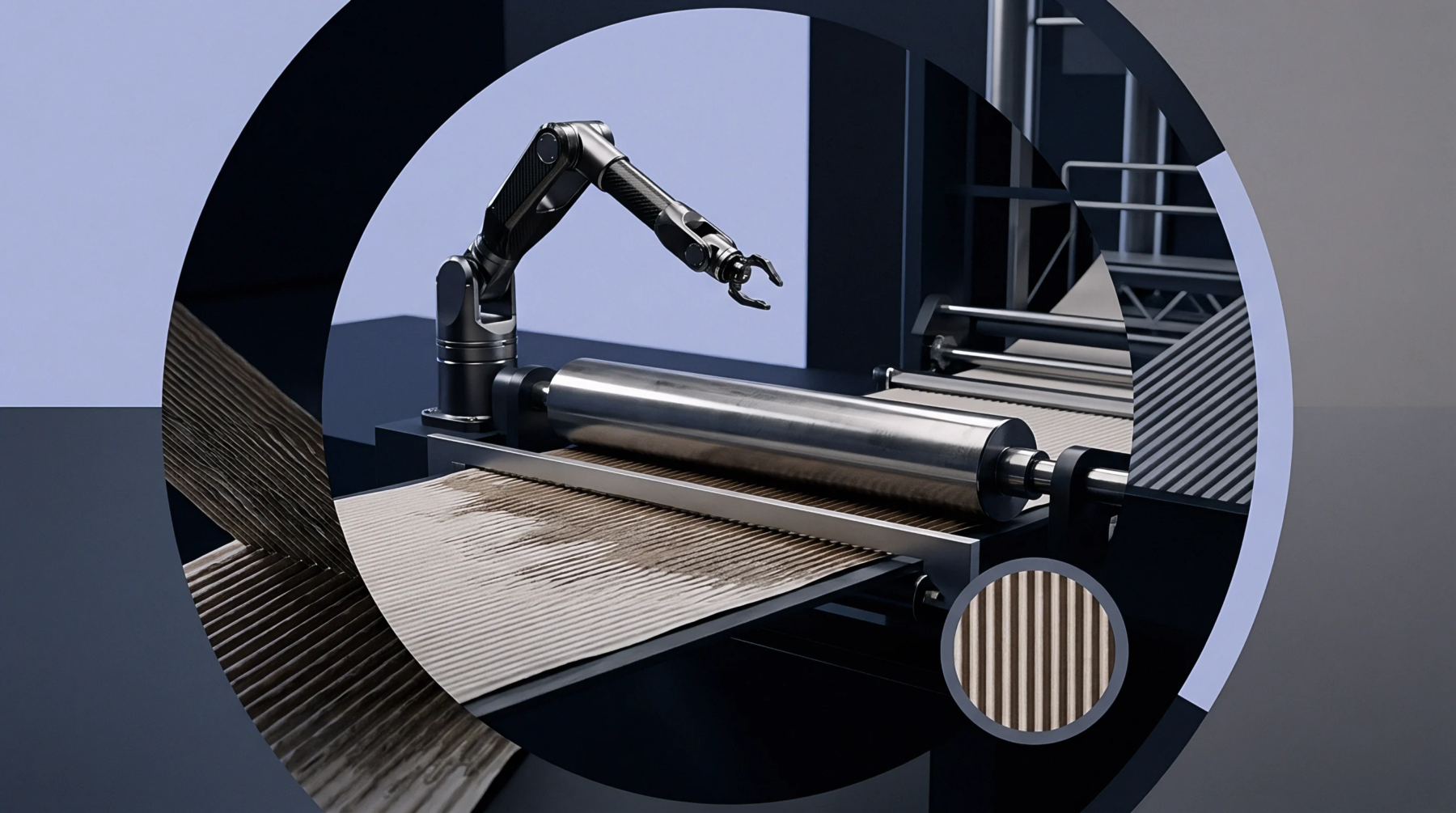
Actuator System
Automated profile manipulation systems adjust web thickness variations across the width of a continuous paper machine. Implementing cross machine caliper control involves inductive heating coils or cold air nozzles positioned at specific intervals along the calender stack. These physical zone adjustments expand or contract calender rolls locally to alter nip pressure against the moving paper sheet.
Real-time feedback from downstream scanning gauges directs thermal changes to maintain uniform thickness.
Profile Variance
Caliper fluctuations across the reel cause severe winding defects and register errors during high-speed offset printing operations. Deploying cross machine caliper control minimizes localized ridging and soft edges that ruin finished paperboard reels. Paper machines producing folding boxboard require tight thickness tolerances to guarantee consistent creasing and die-cutting performance in converting plants.
Thermal expansion responses vary depending on roll metallurgy and internal cooling water circulation rates. High basis weight papers require stronger thermal gradients across calender rolls to achieve required thickness corrections. Uncorrected profile streaks force converting lines to reduce operational speeds or reject whole paper rolls.
Web Uniformity
Closed-loop control algorithms process thickness data from infrared sensors to calculate precise actuator temperature settings. Modern cross machine caliper control systems divide the paper machine width into narrow control zones to resolve high-frequency profile variations. Moisture variations entering the calender stack influence local thickness response and require coordinated moisture profiling adjustments.
System response time depends on roll thermal mass and web speed through the finishing section.