Performance Deficit
Structural integrity of corrugated packaging depends heavily on the edge crush test value of the combined board. An observed ect reduction represents the loss in peak load-bearing capacity that occurs when finished sheets undergo mechanical converting or printing. This reduction quantifies the difference between the initial manufactured board strength and the final performance of the converted container.
Crush force is lost during processing when flutes undergo physical distortion.
Conversion Impact
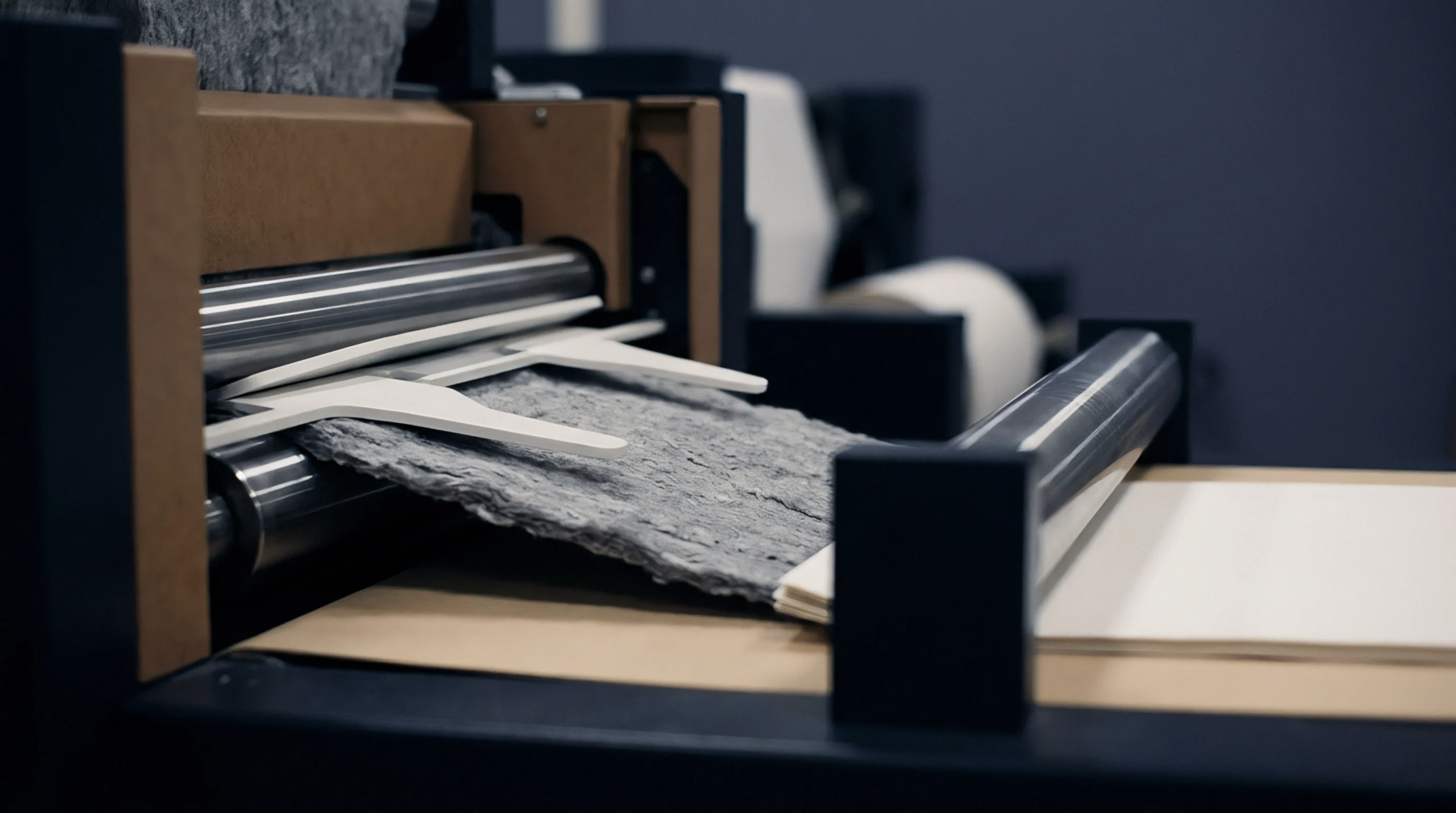
Converting equipment imposes compressive forces that can crush the delicate arched structures of the corrugating medium. During the flexographic printing stage, heavy nip pressures flatten the fluting profiles, which immediately reduces the vertical load-bearing efficiency of the board. Die-cutting and scoring steps introduce localized paper fractures that further compromise the vertical resistance of the flutes.
Minimizing this reduction requires careful control of nip clearances and the selection of resilient starch adhesives that hold the linerboard and medium together. Mechanical adjustments on the folder-gluer can prevent additional physical trauma to the finished board edges.
Structural Limit
Design calculations for box compression strength must account for these losses to avoid pallet collapse. High-pressure graphic printing requires designers to adjust these safety factors. Proper assessment of this loss enables accurate packaging design.