Separation Dynamics
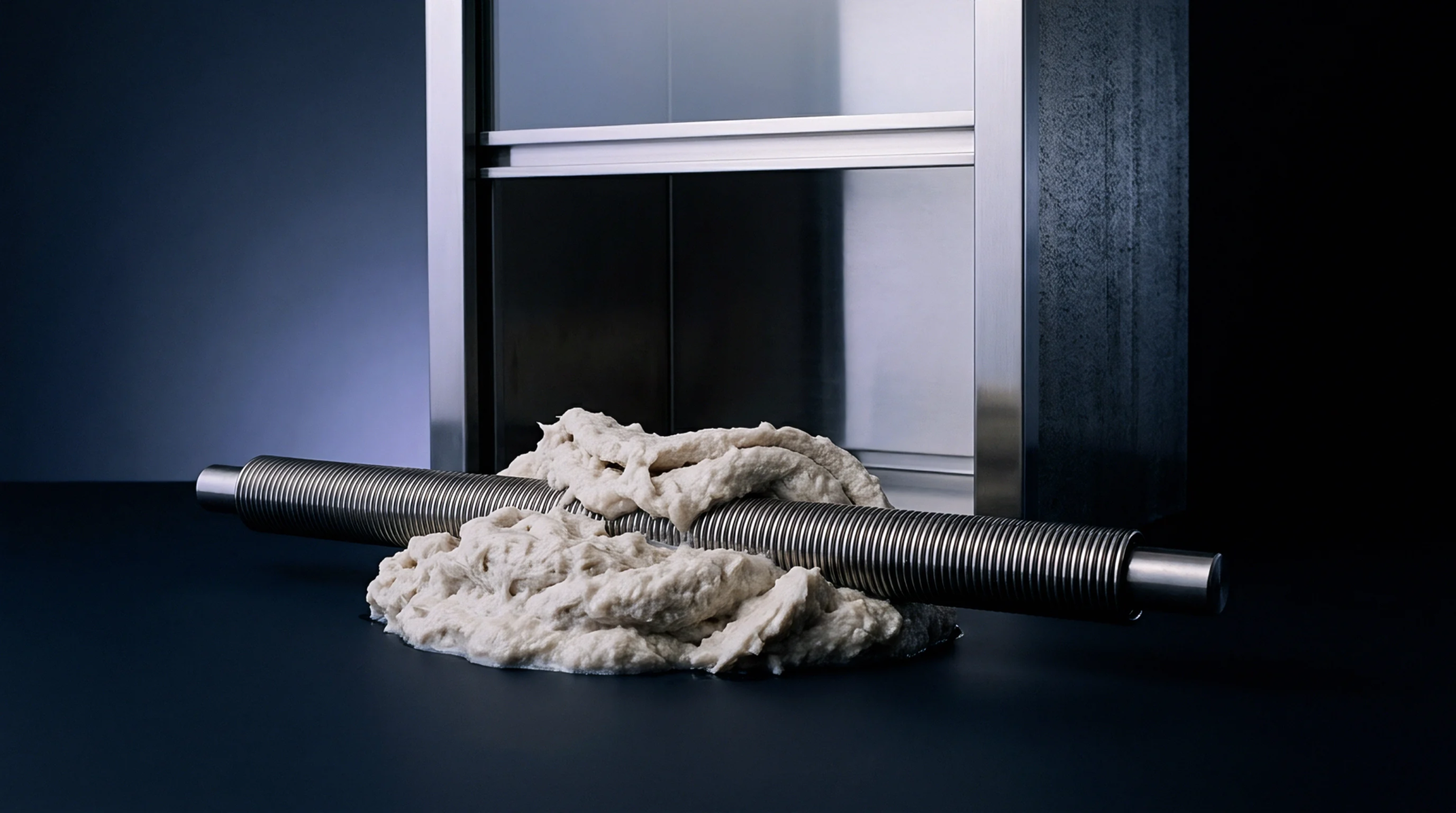
Liquid coatings applied to a flexible substrate undergo a transition where the wet film divides as the coating nip exits the application zone. Film split mechanics describe the specific physical forces occurring when the layer of adhesive or ink pulls apart between the transfer roll and the web. This process dictates the final topography of the surface and determines if the coating remains uniform across the entire sheet.
Viscosity differences between the fluid and the surrounding air create differential pressures that pull the liquid into irregular shapes. When the substrate moves away from the applicator, the film reaches a point where the cohesive forces inside the fluid yield to the tensile stress of the roll rotation. The resulting patterns stay set once the layer reaches the drying section of a paper mill or converting line.
Transfer Efficiency
Coating distribution depends upon the fluid properties and the speed of the production line. High operating speeds force the liquid into a rapid separation phase that increases the potential for misting or spray at the exit of the nip. Operators mitigate these occurrences by adjusting the rheological profile of the coating to ensure the split happens within a stable pressure range.
Variations in the thickness of the initial fluid application change the magnitude of the force required to break the bond. A thin layer requires less energy for separation but remains sensitive to minor imbalances in roll geometry. Surface tension gradients also influence the way the film pulls away from the mechanical parts.
Surface Uniformity
Roughness at the microscopic level often correlates to the way the film splits during high speed application. Excess energy during the break leaves an orange peel texture that remains visible after the drying process concludes. Precise control of the splitting boundary minimizes the occurrence of pick or surface defects during the final stages of manufacturing.
Correct adjustments to the nip pressure allow the fluid to divide in a controlled manner that preserves the integrity of the coating. Stable separation conditions ensure the finished product meets the smoothness requirements demanded by modern printing presses.