Material Failure
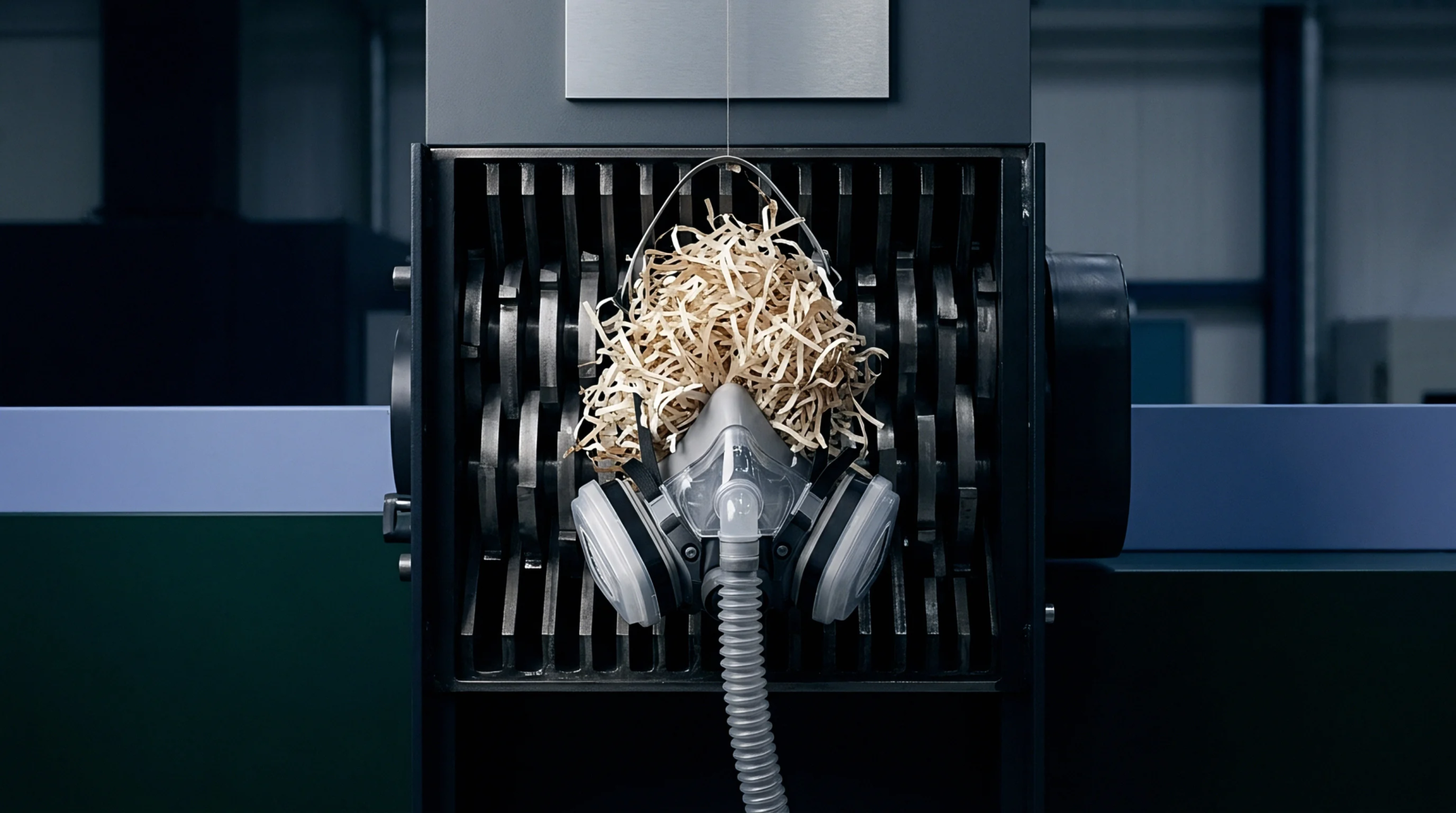
High-speed corrugating of containerboard puts extreme mechanical stress on the paper medium as it is shaped between heated fluting rolls. When the paper exceeds its tensile or stretch limit under these conditions, flute fracture occurs as physical tears or cracks along the peaks of the flutes. This structural rupture diminishes the structural integrity of the resulting corrugated board and compromises its ability to withstand top-to-bottom compression.
The occurrence of this defect is limited to the corrugation step, where run speed and paper moisture interact to determine the limits of paper formability.
Converting Tension
Physical forces acting on the paper web as it enters the labyrinth of the corrugating rolls must be managed within narrow tolerances. If the web tension is too high, the paper cannot stretch enough to conform to the teeth of the rolls, leading directly to flute fracture. This risk rises when using lightweight or heavily recycled papers that have low stretch potential.
Proper heat and moisture conditioning of the paper before the corrugating step softens the fibres, allowing them to bend without breaking.
Performance Reduction
Cracks in the corrugated core reduce the flat crush resistance of the finished board. This weakness makes the sheets prone to collapsing under the heavy load of printing and die-cutting plates. Carton blanks with fractured flutes cannot support the design load when stacked in warehouses.