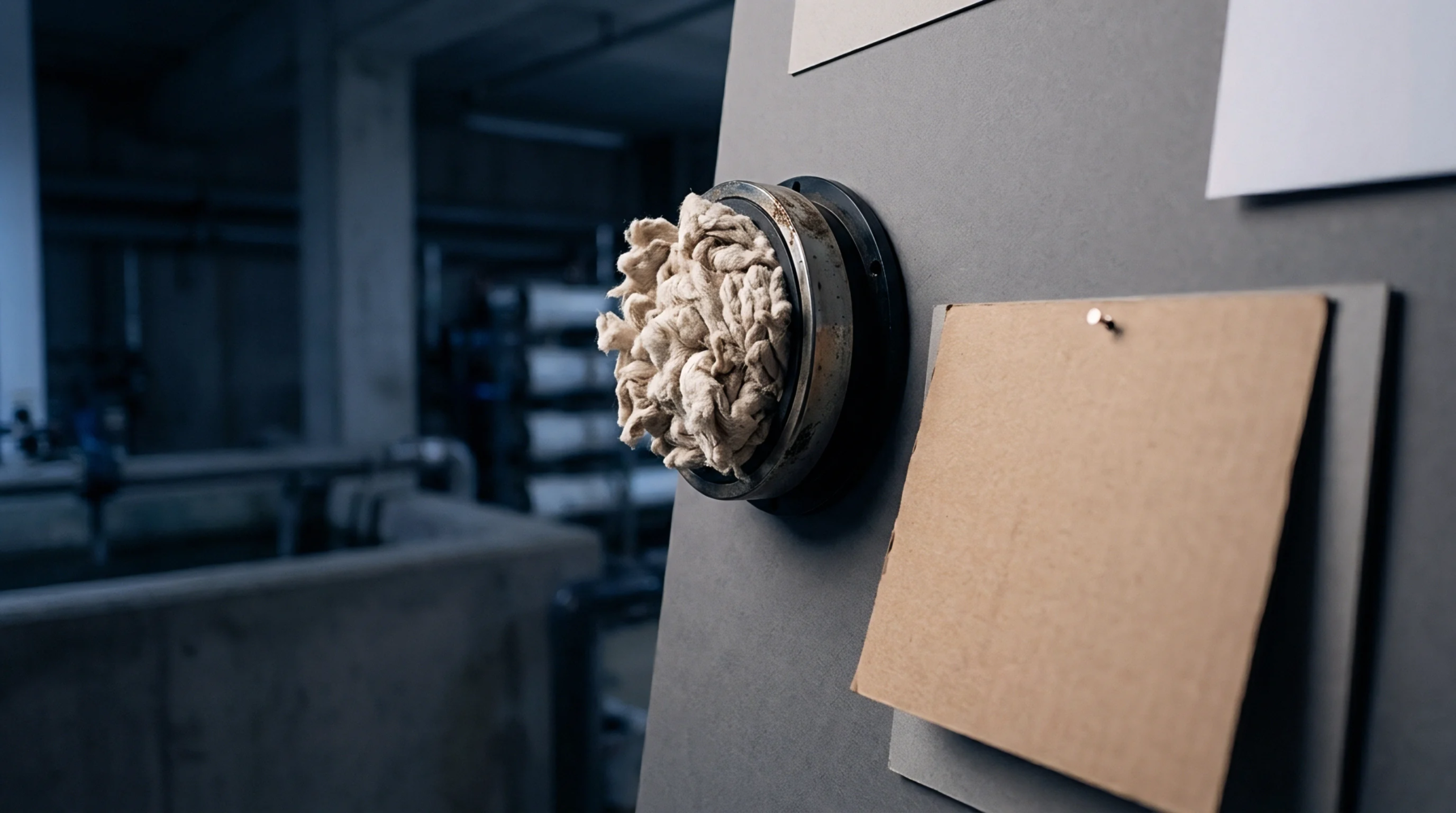
Fibre Ratio
Pulp proportion determines the physical performance of a paperboard grade, governing stiffness, tear resistance and runnability on high speed converting lines. A standard packaging furnish factor establishes the exact percentage balance between virgin chemical softwood, hardwood and recycled mechanical fractions within the machine chest. Chemical pulps provide tensile strength through long bonded networks, whereas short hardwood fibres contribute surface smoothness and dimensional stability for folding carton printing.
Recycled content introduces lower tear indices that require compensatory refining adjustments during stock preparation. Mill operators calculate this blend to meet strict bursting strength standards without exceeding caliper thickness targets.
Standard Tolerance
Batch variations in raw material quality demand continuous adjustments to stock proportioning valves to maintain finished caliper and bending stiffness within commercial tolerances. A board mill monitors drainage rates through online Schopper Riegler sensors, feeding data back to proportioning controllers that regulate individual pulp slurry flows. Deviations outside permitted furnish factor limits trigger automatic alarms on the wet end control panel, prompting operators to alter refining intensity or shift the hardwood to softwood ratio.
Converting plants reject rolls that fail stiffness specifications during creasing and die cutting operations, tracing the defect directly back to unrecorded furnish fluctuations.
Blend Economics
Raw material substitution alters production costs and end use performance, forcing mills to balance fibre expenditure against converter specifications. Virgin kraft pulp commands a premium price based on superior tear strength, while secondary fibre streams offer lower costs alongside reduced drainage efficiency and increased dirt count variability. Procurement teams adjust the target furnish factor when market pricing shifts, ensuring that substitute pulps match the original tear and tensile curves before full scale production runs commence.