Processing Yield
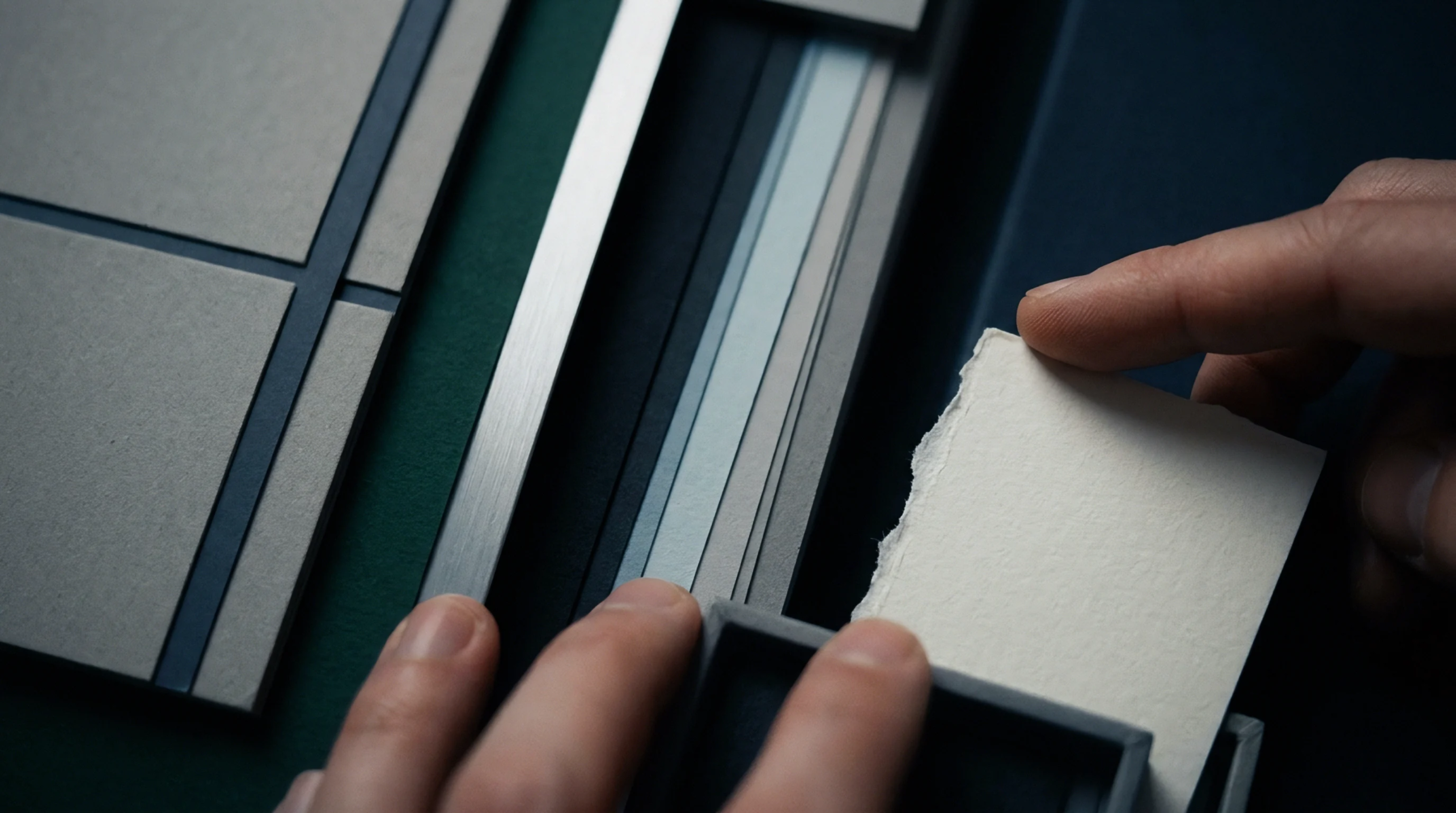
Wood fibre recovery reaches peak efficiency when high-yield mechanical pulp production converts almost the entire log into printable substrate. This mechanical separation preserves lignin alongside cellulose, which increases opacity and bulk in paper sheets. Manufacturers select this material for newsprint or lightweight catalogue paper where high production volume and low cost outweigh the permanent archival life of chemically bleached alternatives.
Mechanical Properties
Structural integrity in these fibres depends on the intense grinding or disc refining forces applied to the wood chips. Such energy consumption during board manufacture influences the tear strength and surface smoothness of the finished product. Paper mills adjust the heat and pressure within the refiner to tune the balance between fibre flexibility and drainage rate on the paper machine wire.
Printability benefits from the high scattering coefficient inherent to these bulky particles, as the ink sits on the surface rather than penetrating deep into the internal structure of the sheet.
Operational Boundaries
Moisture sensitivity and long term yellowing dictate the limits for using high-yield mechanical pulp in high grade printing applications. Residual lignin content causes chemical reactions under direct ultraviolet exposure, which gradually degrades the colour and physical resilience of the paper. Technical specifications for packaging or high performance print stock often mandate specific percentages of synthetic or chemical binders to overcome the inherent structural weaknesses found in these short fibre chains.
The reliance on mechanical forces creates a fragile substrate that requires precise tension control during high speed printing press runs to prevent web breakage.