Pulp Efficiency
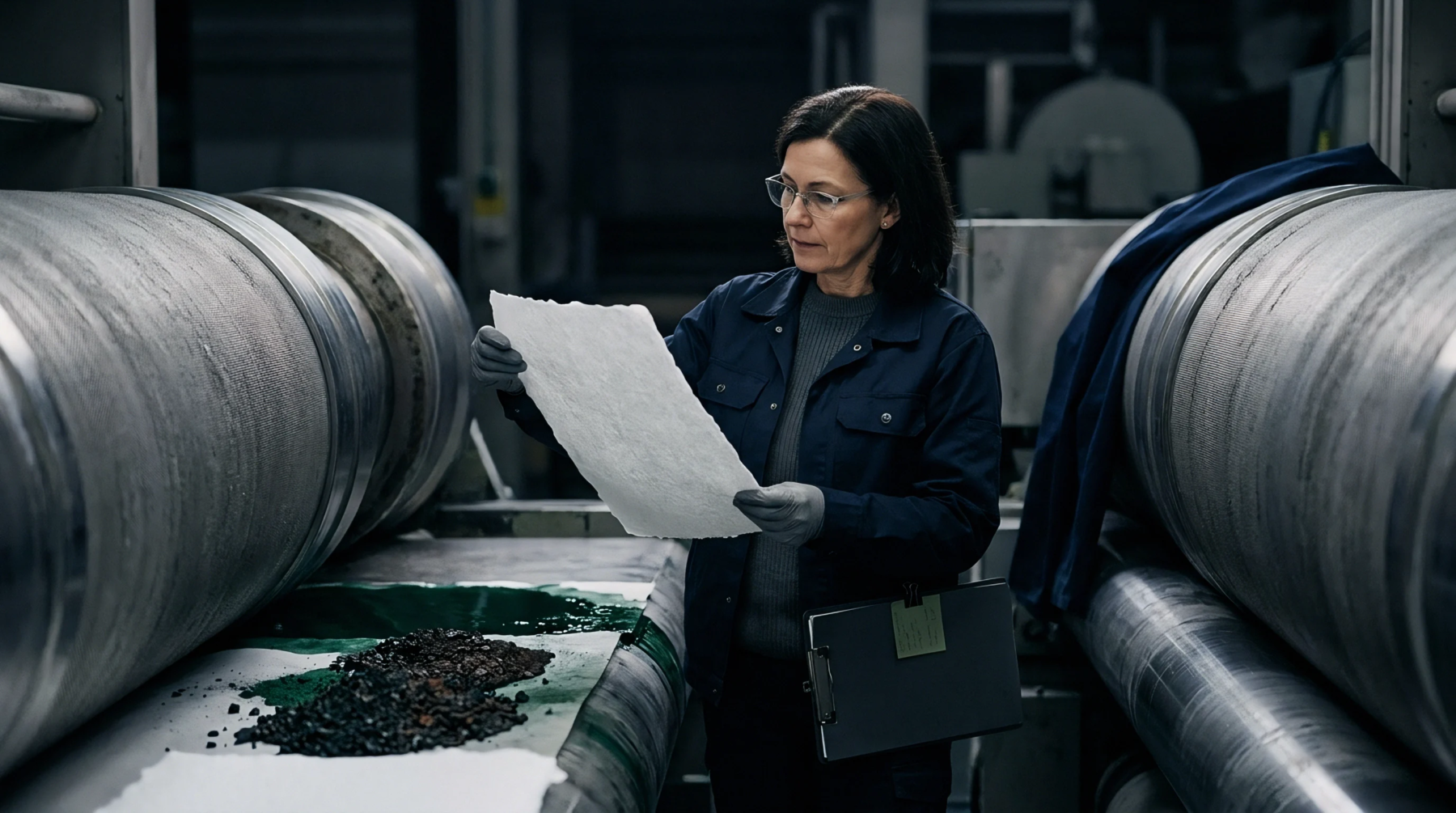
Mechanical separation mass balance characterizes the proportion of fibrous raw material retained within a slurry after the initial defibering process reaches completion in a tub vessel. Hydrapulper yield measures the ratio of acceptable papermaking fibres recovered from the incoming bale furnish compared to the rejected non-fibrous debris such as plastics, staples, or heavy metal contaminants. This recovery rate remains the primary metric for defining the economic performance of a stock preparation line within a paper mill.
Operators calculate the figure by dividing the mass of the output slurry by the mass of the dry input stock. Precise tracking of the resulting fraction identifies losses occurring during the extraction of contaminants from the vat.
Refining Tolerance
Secondary screening systems govern the threshold where material falls into either the stock feed or the rejects stream based on specific slot widths. Hydrapulper yield varies significantly depending on the contamination level of the incoming secondary fibre source. Clean office waste produces higher percentages of usable pulp, whereas mixed curbside collection results in greater mass displacement during the cleaning cycles.
High energy consumption often correlates with lower performance levels because persistent rotor activation forces non-fibrous material through the extraction plates. Mills adjust the rotor speed to balance the demand for throughput against the necessity of clean fibre stock. Constant pressure monitoring across the bottom plates indicates when the vat requires a dump cycle to prevent accumulation of debris.
Excessive dwell time in the vessel degrades the physical characteristics of the pulp, shortening fibre lengths through shear stress.
Operational Boundary
Waste rejection intensity defines the limit of fibre conservation at the wet end of the production cycle. Hydrapulper yield excludes the water fraction in all gravimetric calculations, focusing exclusively on solid mass conversion rates. Environmental constraints limit the concentration of suspended solids permitted in the final wastewater discharge from the pulping circuit.
High recovery of fibre from the rejects stream typically reduces the disposal cost per tonne of finished paper. Effective separation processes maintain the structural integrity of the final sheet by removing inclusions that weaken the surface. Consistent monitoring of the mass balance ensures the production of predictable substrate characteristics.