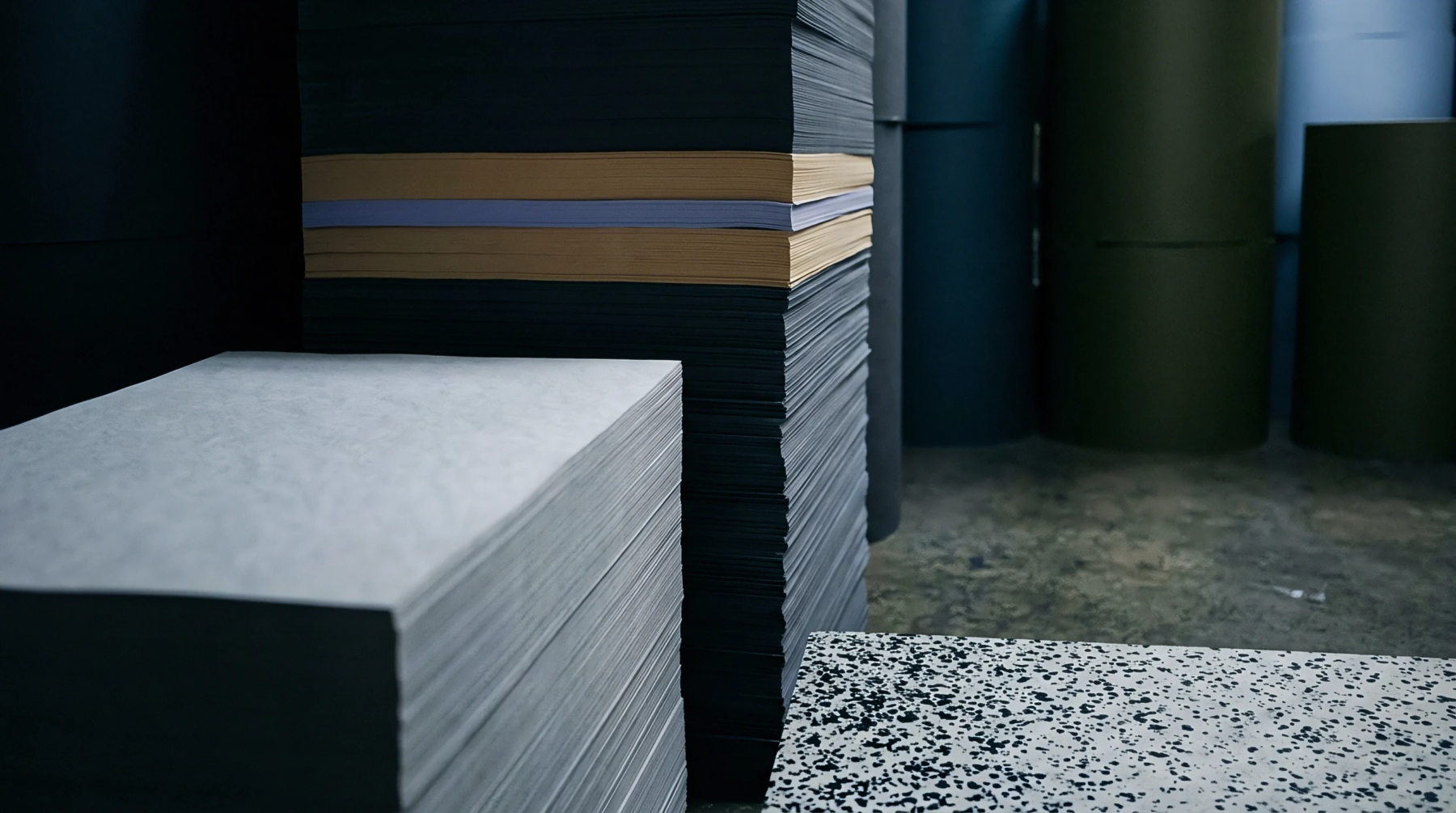
Material Equilibrium
Moisture content fluctuations dictate the physical dimensions and structural integrity of fibrous substrates. Hygrosensitivity describes the degree to which a material undergoes dimensional change or degradation when exposed to variations in relative humidity. Paper products expand as cellulose fibres absorb atmospheric water vapour and contract when moisture leaves the matrix.
Printers and packaging converters account for this physical reaction to avoid misregistration on high speed presses or adhesive failure in automated sealers.
Dimensional Volatility
Cellulose bonds weaken in high humidity environments as water molecules force fibre surfaces apart. This process alters the tensile strength and stiffness of the substrate, which creates problems for mechanical feed systems that rely on consistent sheet rigidity. Converters manage this sensitivity by maintaining constant atmospheric conditions within the storage and production areas.
Standard testing methods measure the change in length across the machine direction and cross direction after subjecting samples to controlled moisture cycles. Consistent environmental regulation minimizes the variance between different production batches and protects the precision of die cutting operations.
Structural Tolerance
Engineers set specific humidity windows for sensitive manufacturing tasks to ensure the finished product meets dimensional stability requirements. Lamination processes suffer when moisture differences between layers cause curling or delamination during the drying phase. Precision equipment provides data on the moisture absorption rate of various paper grades to allow for accurate climate control adjustments.
Humidity control guards the alignment of multi-colour print runs and prevents the distortion of precision-fit packaging designs.