Drainage Measurement
Standardized testing procedures for evaluating the drainage rate of pulp suspensions provide a quantitative measure of the degree of refining or beating. The ISO 5267-2 standard specifies the Canadian Standard Freeness method, which is applicable to most chemical and mechanical pulps. This procedure uses a diluted pulp suspension of three grams per liter to assess how easily water separates from the fibers.
Test Protocol
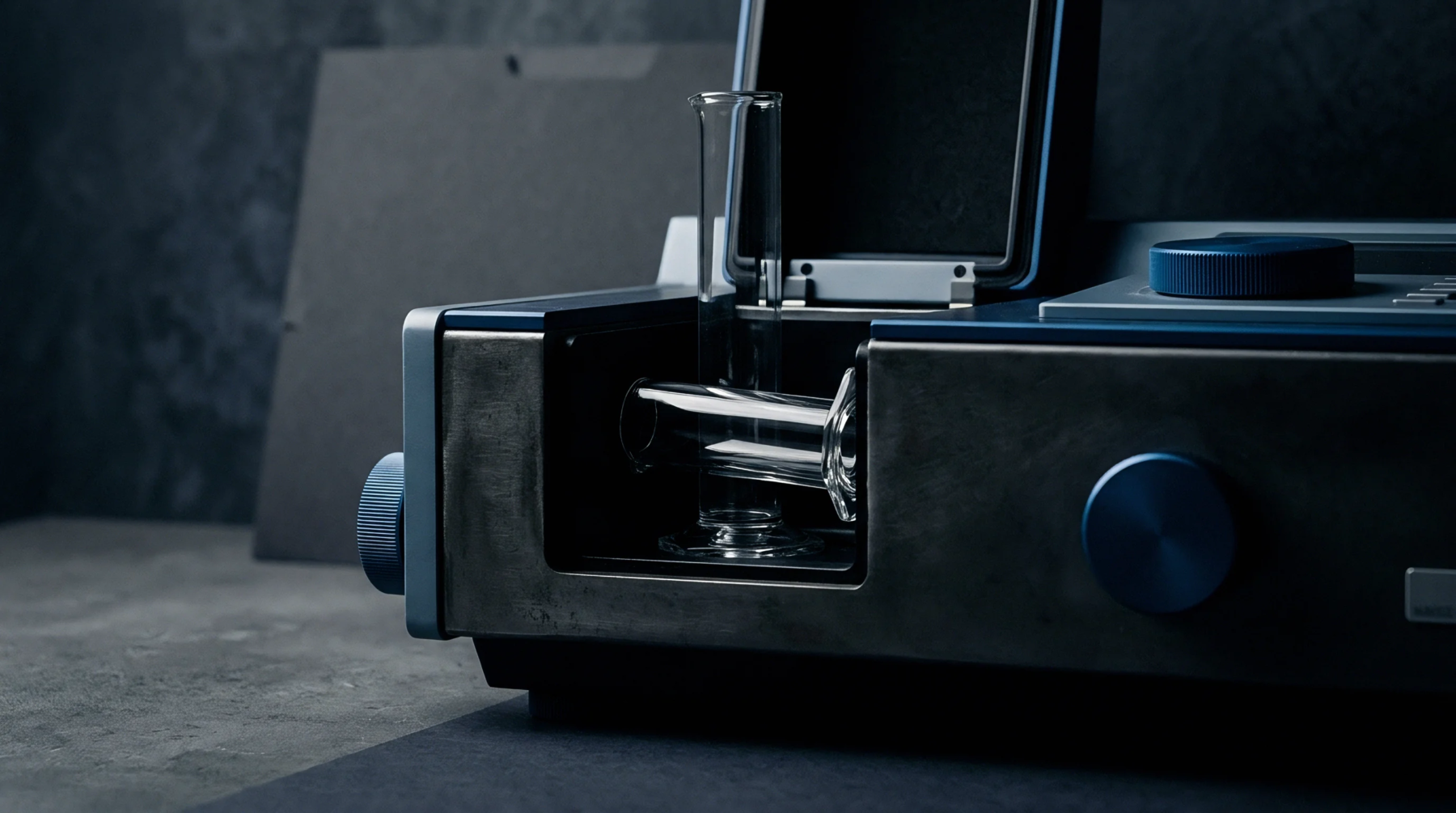
Execution of the test involves pouring a prepared suspension into a container equipped with a bottom screen and a dual-orifice drainage funnel. Water draining through the screen passes into the funnel, where the rapid initial flow spills over through a side orifice into a graduated cylinder. A highly refined pulp drains slowly, causing more water to exit through the bottom orifice instead of the side, resulting in a lower freeness value in milliliters.
This differential drainage volume is highly sensitive to fiber swelling and fines content. Maintaining a precise temperature of twenty degrees Celsius is necessary to prevent viscosity deviations from skewing the outcome.
Drainage Analysis
Refined fibers exhibit high surface area and slower drainage during sheet formation. This standard helps mill operators adjust refiner plates to maintain consistent drainage on the wire.