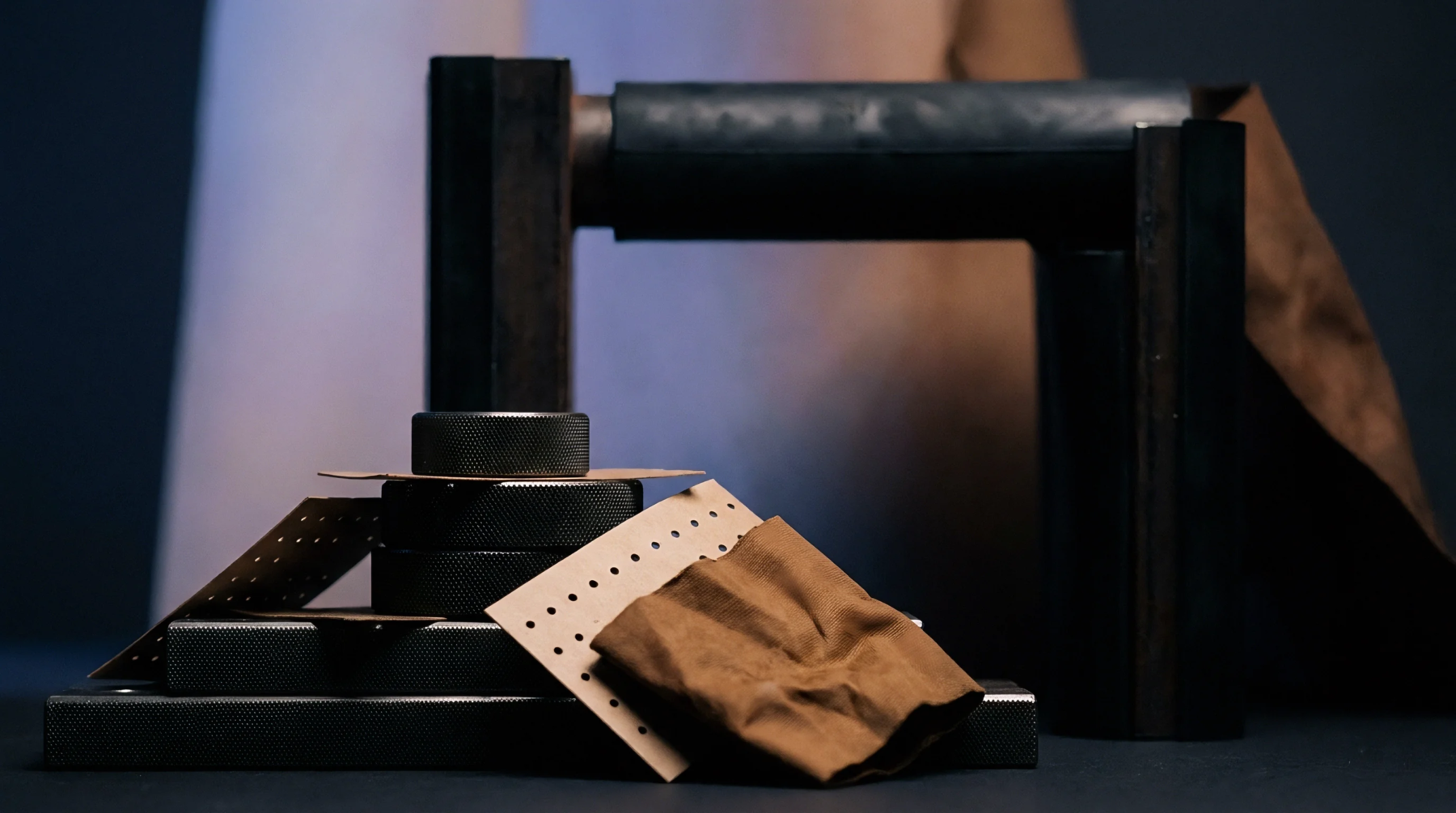
Sheet Formation
Laboratory paper sheets prepared under standardized vacuum drainage and pressing conditions enable physical strength testing of pulp stock. Preparing ISO 5269 handsheets provides consistent grammage and formation across test specimens for comparative pulp evaluation. Standard sheet formers use wire screen mesh and controlled water column drainage to lay down cellulose fibers uniformly.
Mechanical pressing and controlled drying stabilize sheet structure prior to tensile and burst testing.
Physical Preparation
Procedure steps govern couch pressing force and drying plate pressure during sheet formation. Testing ISO 5269 handsheets ensures physical strength properties reflect pulp potential rather than machine direction orientation or calendar effects. Standard sheets eliminate grain direction bias found in machine-made paperboard, yielding isotropic physical properties.
Physical properties like tensile index and burst factor are measured directly from these conditioned specimens. Variance in drainage rate or drying tension alters apparent sheet density and compromises test accuracy.
Testing Constraint
Specimen preparation sets strict limits on grammage tolerance and drying shrinkage. Standard handsheets fail to reproduce multi-ply layering or chemical surface treatments used in commercial paperboard mills. Laboratory evaluation stops at defining intrinsic fiber bonding potential under standardized drainage conditions.
Accurate pulp comparison requires adherence to standard sheet formation protocols.