Moisture Determination
Gravimetric analysis defines the exact water content of paper and board materials by measuring mass loss through thermal drying according to ISO 638-1. Removing absorbed water molecules from cellulose matrices requires precise temperature control inside ventilated laboratory convection ovens set between specific thermal thresholds. Converting plants rely on this analytical protocol to verify delivery weights before processing large paper reels on high-speed corrugating or printing equipment.
Excessive internal moisture softens fiber bonds and causes web breaks during high-speed tensioning, whereas overly dry substrates become brittle and crack along folding cartons.
Thermal Evaporation
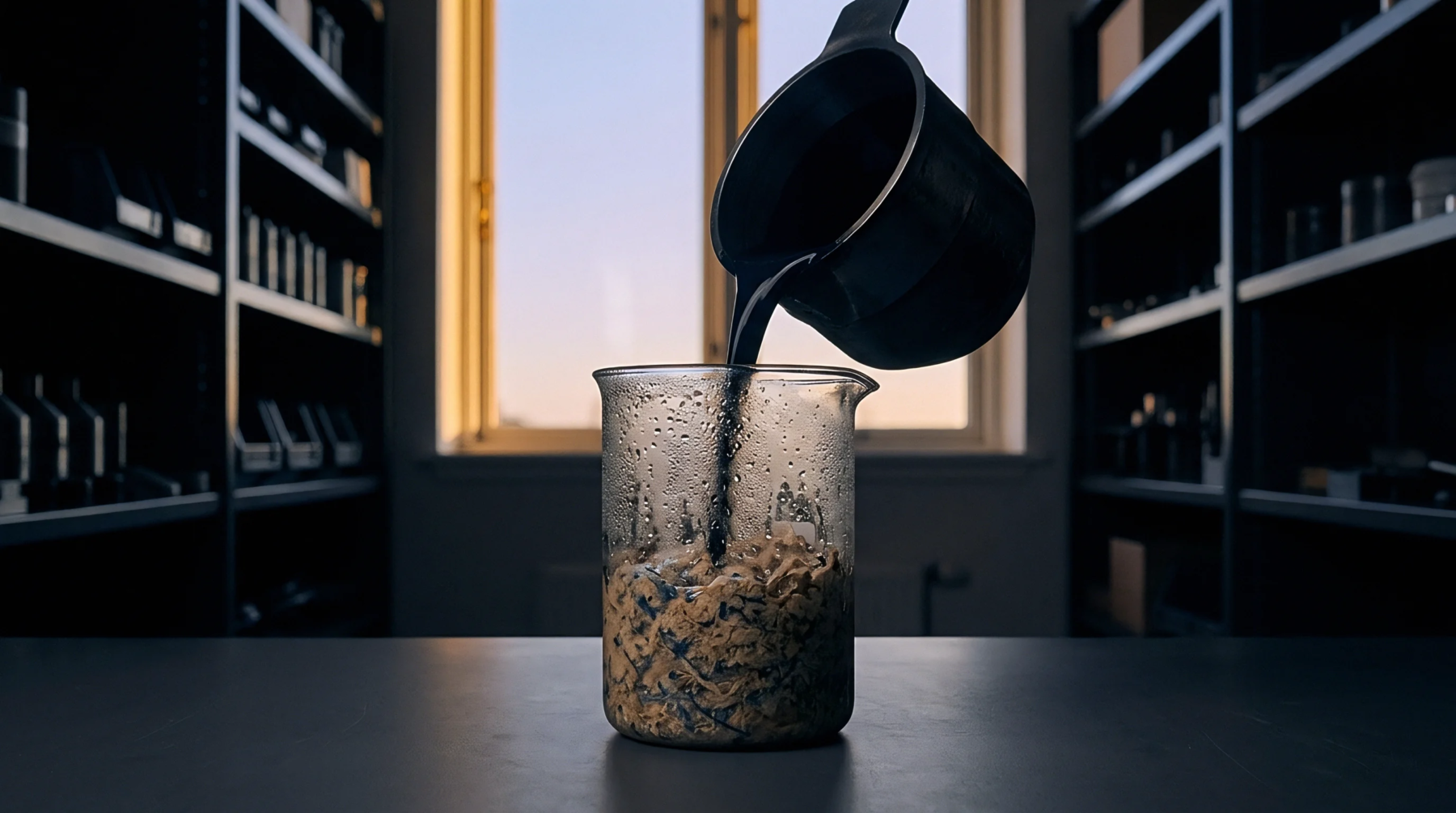
Laboratory technicians dry pre-weighed pulp samples inside specialized glassware until consecutive balance measurements confirm complete water liberation. Heating duration depends directly on basis weight and grammage classes, requiring extended exposure periods for thick corrugated liners compared to lightweight tissue grades. Mass reduction calculations determine the exact percentage of volatile liquids present relative to oven-dry fiber weight.
Precision analytical balances record sample weights immediately after cooling inside desiccators to prevent ambient atmospheric reabsorption during measurement.
Process Control
Production mills utilize standardized drying results to calibrate online moisture sensors governing wet-end paper machine drainage rates. Mill operators adjust steam cylinder temperatures across dryer sections whenever laboratory figures deviate from target moisture specifications for specific end uses. Packaging converters adjust pressroom humidification systems based on incoming board test data to prevent register distortion during multi-color lithographic printing.
Accurate water quantification prevents invoicing disputes between paper manufacturers and converting plants regarding purchased water weight instead of dry fiber content.