Optimization Method
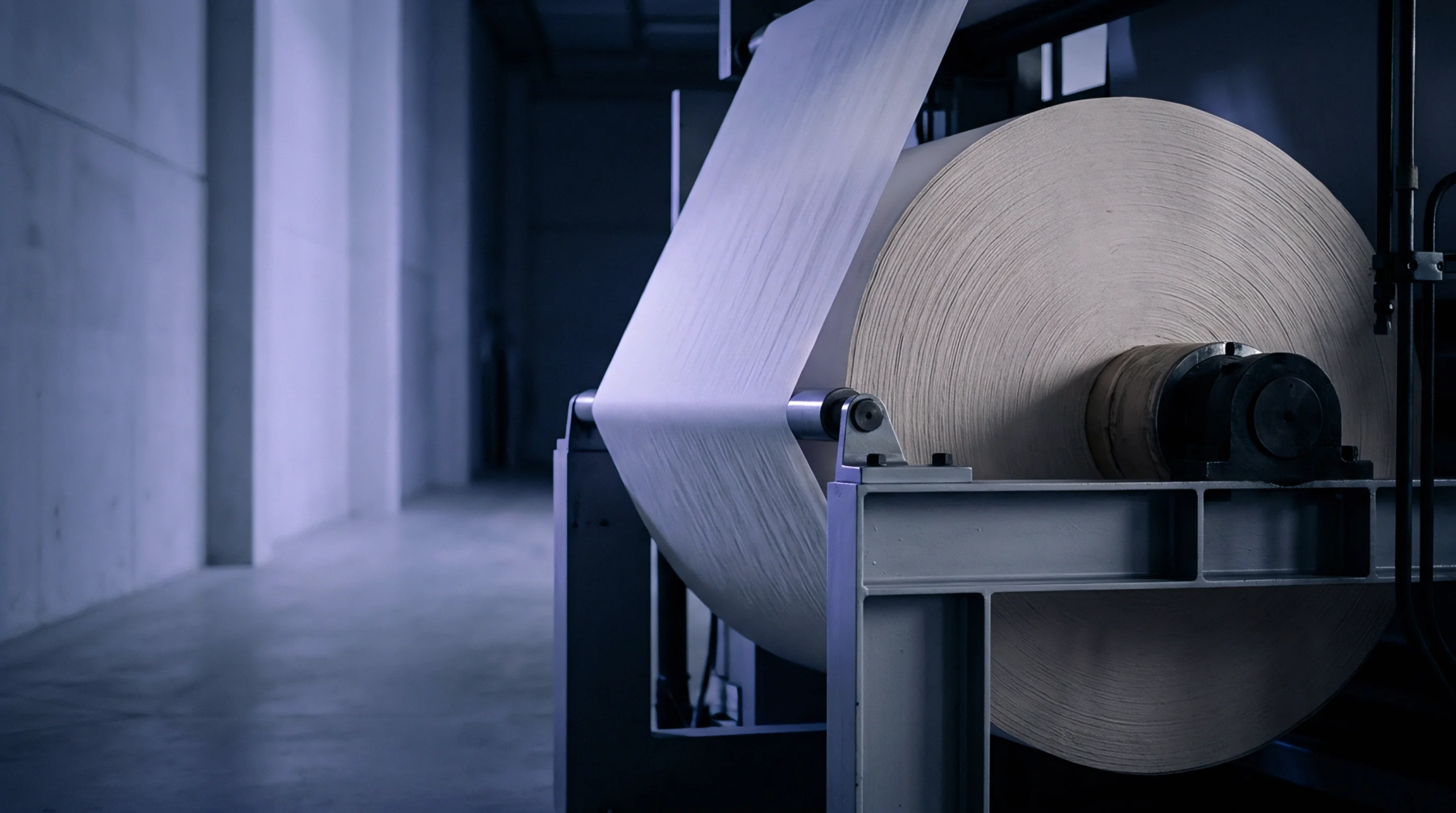
Mathematical modeling techniques used to determine the best outcome in a given mathematical model whose requirements are represented by linear relationships optimize manufacturing and distribution networks. In paper mill operations, linear programming represents the standard tool for solving the trim-loss problem when cutting wide master rolls into narrower customer rolls. The model calculates the optimal combination of cutting patterns to minimize the leftover paperboard waste.
This approach reduces fiber loss and maximizes converting efficiency. By running these calculations across multiple production schedules, mill managers can also optimize the distribution of raw fiber across different machine lines.
Operational Variable
Input variables for these optimization models consist of paper machine deckle widths, customer roll dimensions, and order quantities. The system must also account for the maximum number of knives available on the slitter-winder and the physical limits of the winding equipment. Mills run these models in real time as order blocks are scheduled for production.
The output guides the operators in configuring the slitting equipment for each roll run.
Computational Constraint
Application of this modeling method is bounded by the assumption of linear relationships among the variables. Non-linear behaviors such as adhesive curing rates or non-proportional shipping costs cannot be easily integrated without advanced modifications. The model also assumes that all orders are fixed and known in advance.
Variations in pulp quality can disrupt these pre-planned runs.