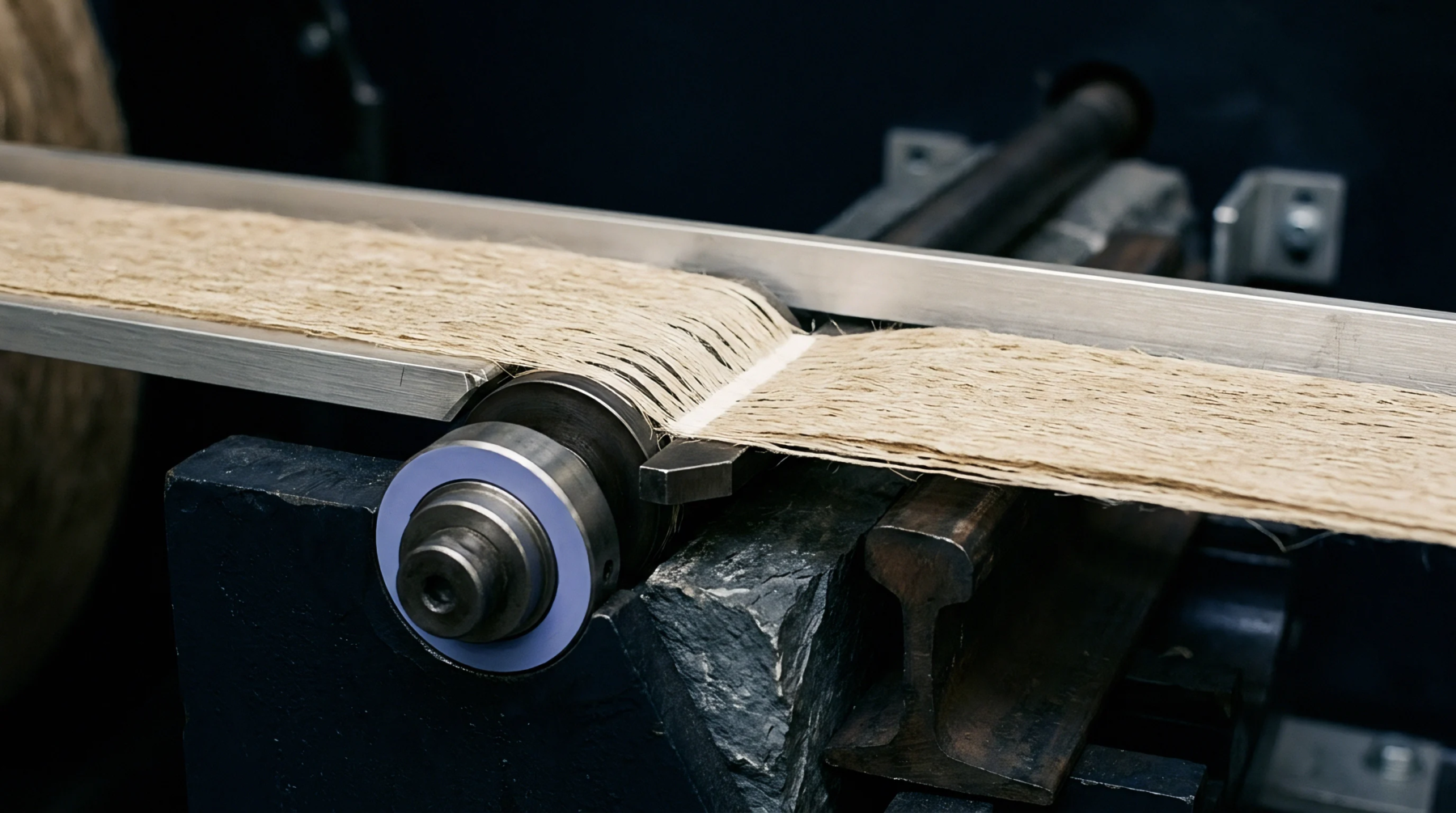
Morphological Property
Cellulose fiber dimension parameters characterize short hardwood and recycled pulp fractions used in papermaking furnish formulations. Low fibre length indicates average weighted fiber lengths below one millimeter, typical of birch, eucalyptus or highly recycled furnish components. Short fibers provide superior sheet formation, smooth surface topography and high opacity, though overall tensile and tear strength remain limited compared to long softwood fibers.
Paper mills blend short and long fibers to achieve targeted printability and stiffness parameters for coated publication papers and folding boxboard layers. The classification governs pulp morphological analysis and stock preparation refining strategies.
Structural Implication
Refining systems process short fibers under lower intensity settings to avoid catastrophic fiber shortening and excessive fine generation. Short hardwood fibers fill the voids between longer softwood fibers, creating a dense, uniform sheet structure that improves ink holdout during offset printing. Excessive mechanical action reduces fiber length further, compromising wet-web strength on high-speed paper machines and increasing draw sensitivity in the press section.
Mills adjust disc refining plate gap geometry and specific edge load to preserve fiber integrity while developing required bonding potential. Balanced fiber length distribution reduces energy consumption while maintaining sheet formation quality.
Processing Boundary
Fibre length measurement relies on automated optical analyzers operating under standardized liquid dilution protocols. Morphological classifications do not apply to synthetic non-woven materials or inorganic papermaking fillers.