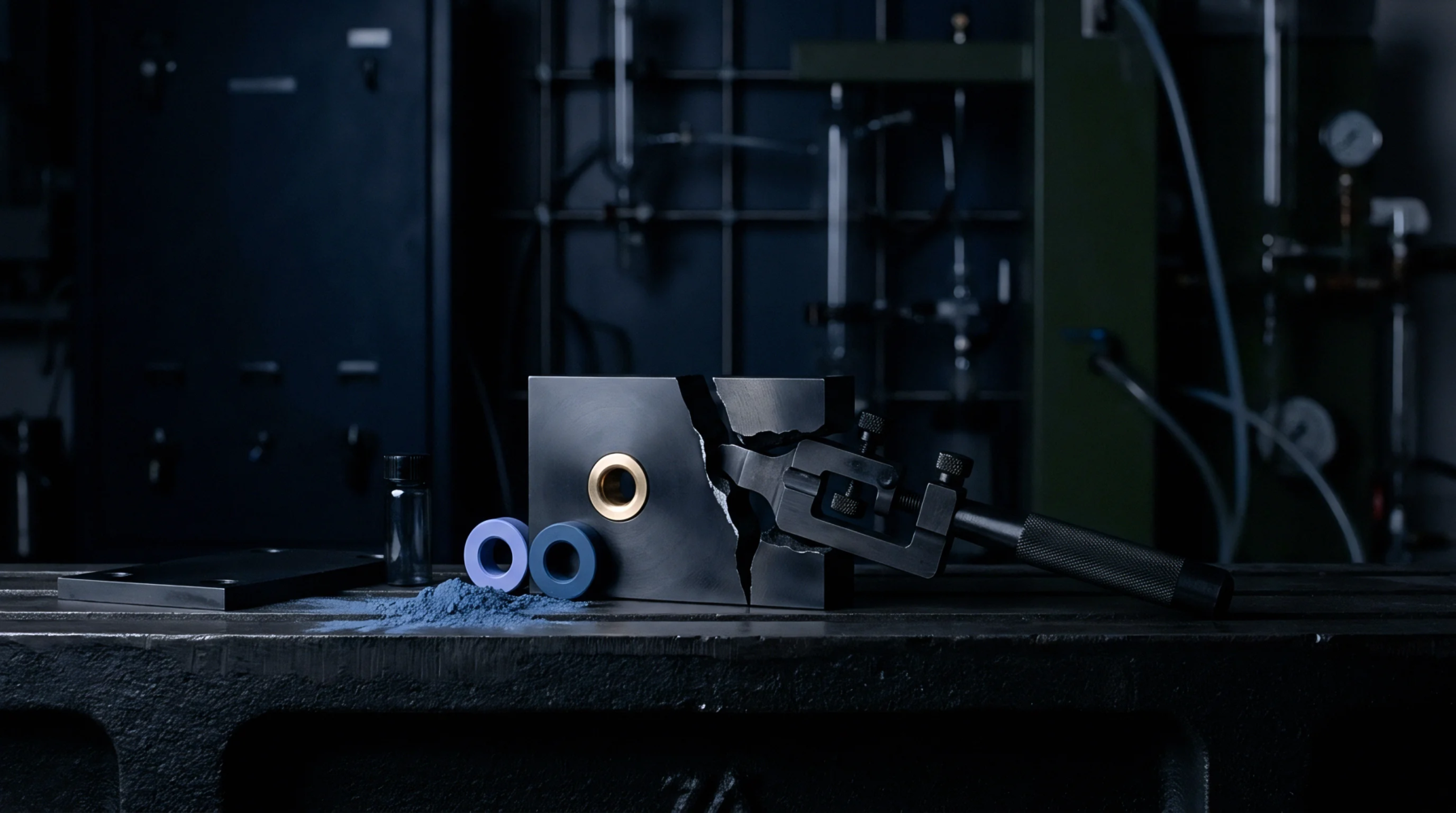
Die Geometry
Cylindrical rotary tooling requires precise male rule radiusing to prevent premature scoring along creasing channels during high speed carton conversion. Folding boxboard reacts poorly to sharp metal transitions, so finishing departments grind specific edge profiles onto steel rules to compress rather than fracture the paper substrate. Rotary die cutting cylinders rely on exact radius depths to control back side cracking on heavier weight folding carton grades.
Press operators measure profile wear constantly because excessive friction degrades carton folding endurance.
Crease Depth
Paperboard stiffness dictates the clearance tolerance between the cutting rule and the opposing groove matrix on the cylinder. Converting lines running recycled linerboard demand wider curvature parameters than virgin kraft stocks due to variable internal bonding strengths. Cylinder pressure settings compensate for board caliper fluctuations, but incorrect profile geometry ruins score integrity regardless of clamping tonnage.
Production runs exceeding specific impressions require periodic tooling profiling inspections to maintain carton structural rigidity.
Tooling Wear
Steel rule degradation alters carton creasing performance over extended production runs on modern converting presses. Thermal expansion during continuous rotary cutting shifts cutting edge alignment relative to the anvil cylinder surface. Maintenance technicians grind worn profiles back to baseline tolerances before returning rotary assemblies to active service schedules.
Press efficiency depends entirely on preserving exact edge radii across all mounted cutting and creasing rules.