Chemical Transfer
Recycled paperboard packaging often contains traces of mineral oil aromatic hydrocarbons originating from newspaper printing inks. This process of transport, known as moah migration, describes how these volatile compounds evaporate from the cardboard and condense onto the food inside. Barrier coatings or virgin fiber liners are deployed to block these substances from reaching the packaged goods.
Tracking this phenomenon helps manufacturers design safe secondary packaging that protects dry food products.
Diffusion Rate
Ambient temperature and storage duration determine how quickly volatile chemicals pass through cardboard packaging. Lower temperatures slow down moah migration, whereas warm warehouse conditions accelerate the transfer process. For example, dry foods with large surface areas like rice or flour absorb these hydrocarbons more readily.
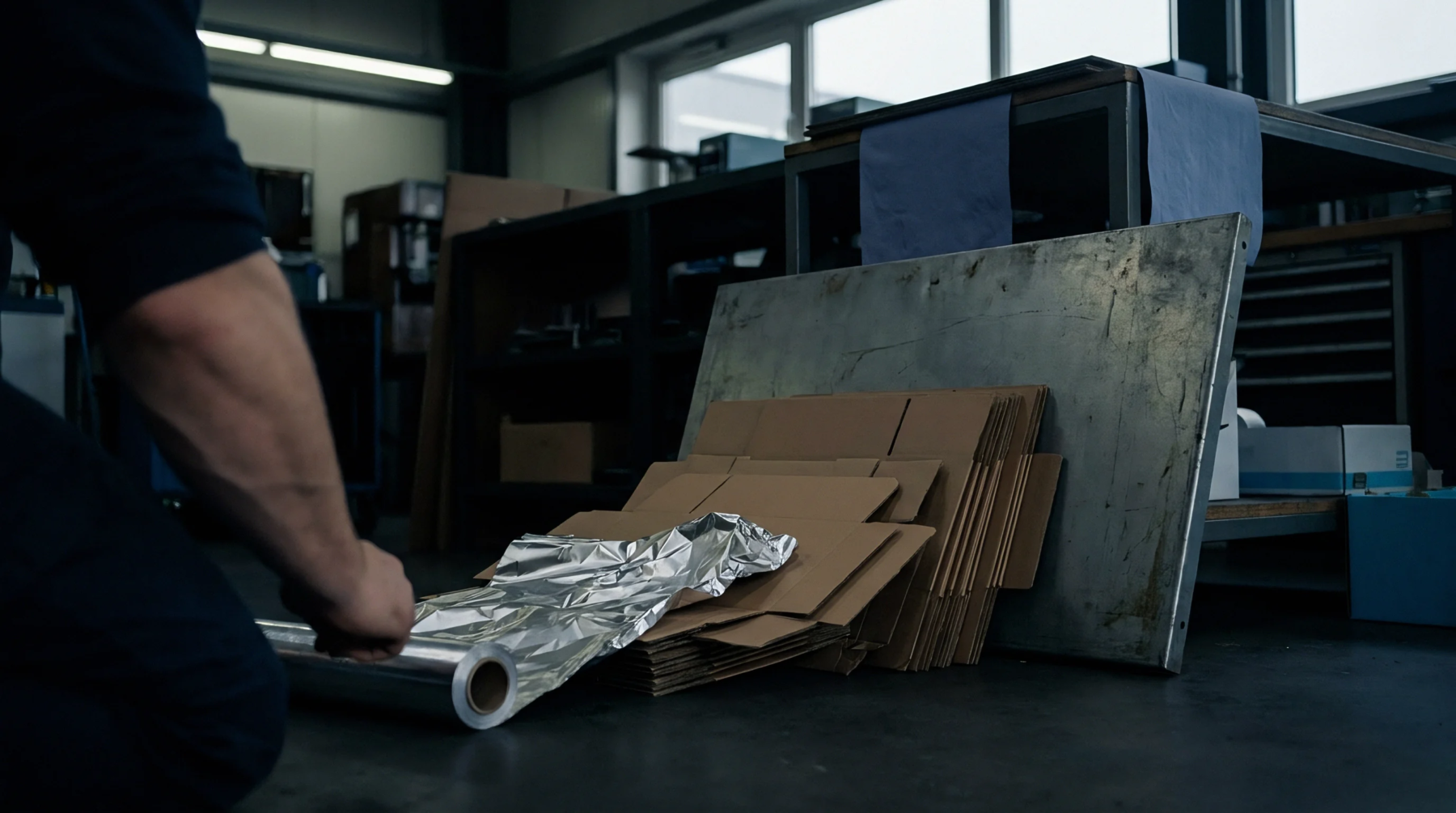
Using functional barriers like aluminum foil or specialized polymer coatings reduces the transfer to almost zero. Testing the migration rate involves heating the packaging in a controlled chamber and measuring the collected compounds using chromatography, ensuring the safety of the stored product.
Barrier Assessment
Evaluating the efficiency of protective inner bags requires precise chemical analysis. Testing under accelerated conditions confirms whether the liner successfully prevents moah migration over the product shelf life. Selecting the appropriate polymer or bio-synthetic barrier material helps food producers avoid product contamination, ensuring the packaging complies with international safety standards.