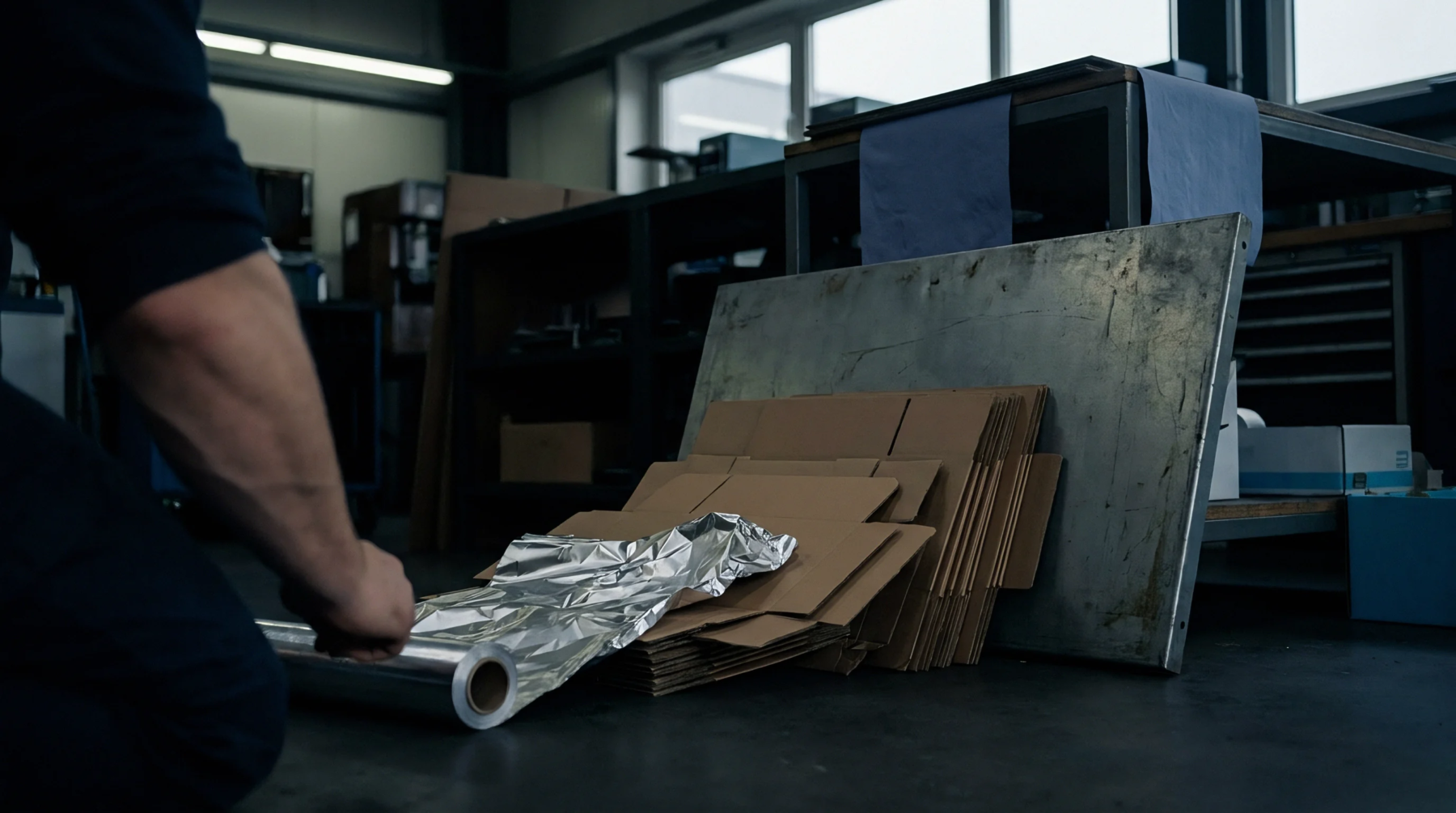
Surface Fracture
Structural defects occurring during the conversion of paperboard into cartons appear as small fractures along the outer surface of a fold. This microcracking crease failure happens when the tensile strength of the top liner is exceeded during the bending process. The resulting cracks expose the inner fibres and compromise the aesthetic and functional integrity of the packaging.
Moisture content in the board dictates how well the fibres stretch without breaking. Boards with high recycled content are often more prone to this issue because the shorter fibres have less bonding strength than virgin kraft.
Tooling Precision
Correct setup of the creasing matrix and the male rule is necessary to minimize stress on the substrate. A microcracking crease failure is often caused by a crease that is too narrow or a matrix that is too deep for the specific board thickness. Adjusting the pressure of the folding rails can alleviate the strain on the coating.
Coating Elasticity
High pigment loads in surface coatings reduce the flexibility of the board and increase the risk of surface damage. When microcracking crease failure occurs on printed surfaces, it creates a visible white line where the ink film has snapped. This defect is particularly problematic for premium cosmetic or beverage packaging where visual perfection is required.