Structural Load
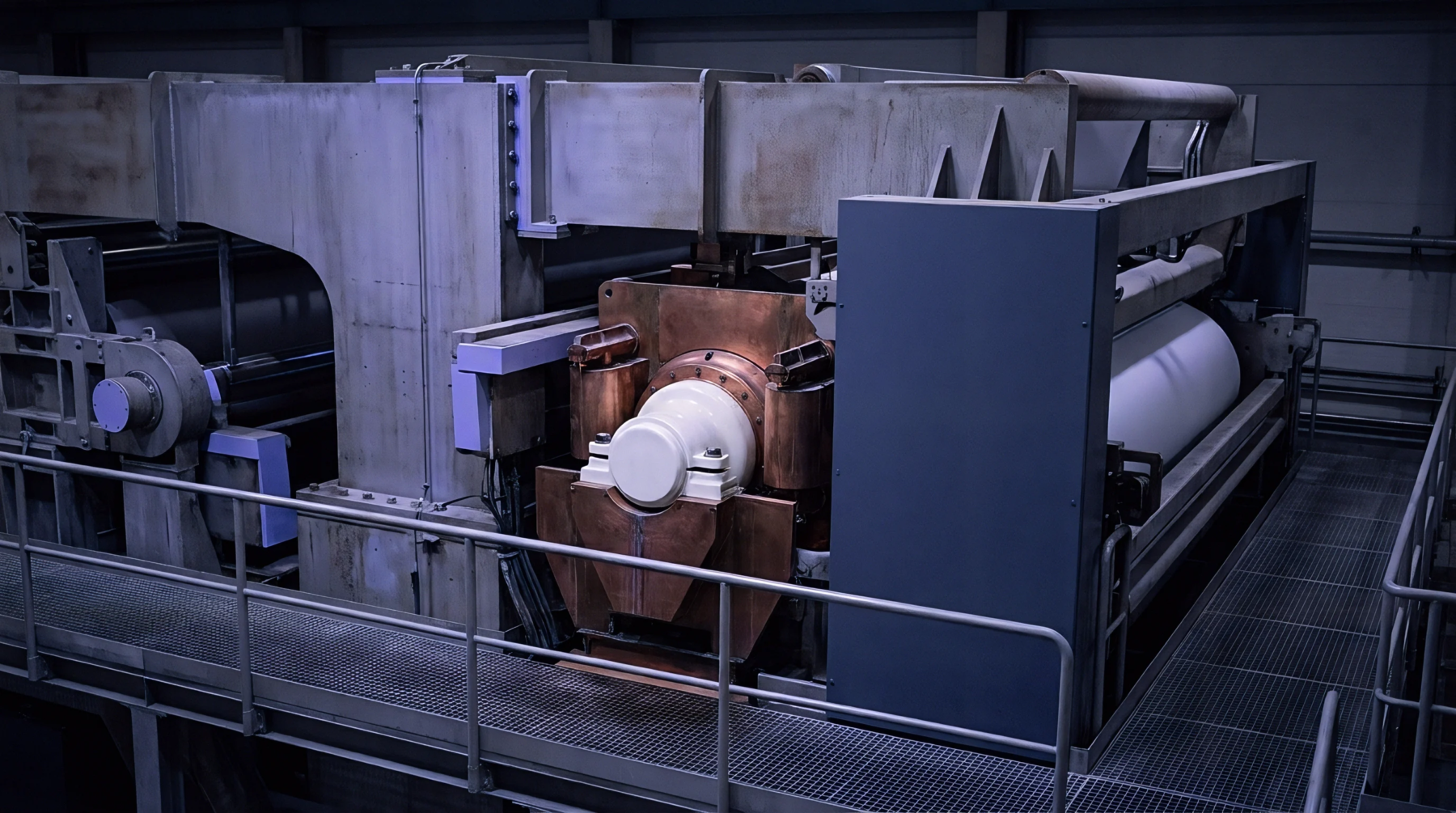
Maximum force values recorded during a compression or nip cycle indicate the highest stress a material experiences. Engineers monitor peak pressure to ensure that packaging substrates can withstand the mechanical loads of stacking or printing without collapsing. In a calender nip, this value determines the degree of fibre deformation and surface smoothing.
Printing Precision
Controlled application of force between the plate and the substrate ensures accurate ink transfer. In flexographic or offset printing, maintaining the correct peak pressure is essential for sharp dots and consistent color density. Too much pressure causes dot gain, where the printed image appears darker and less defined than the original design.
Conversely, insufficient force leads to mottled solids and poor ink adhesion. Modern presses use sensors to track these peaks in real time across the width of the cylinder.
Packaging Integrity
Performance limits for corrugated boxes are often defined by their ability to resist a concentrated crushing force. During box compression testing, the instrument records the load at the moment the walls buckle. This peak pressure represents the ultimate strength of the container under warehouse stacking conditions.
Factors such as humidity and the duration of the load will influence how close the actual stress can get to this limit. Designers use these figures to calculate safety factors for different transport environments. Reliable data from these tests prevents over-engineering the packaging while ensuring the protection of the contents during long distance shipping.