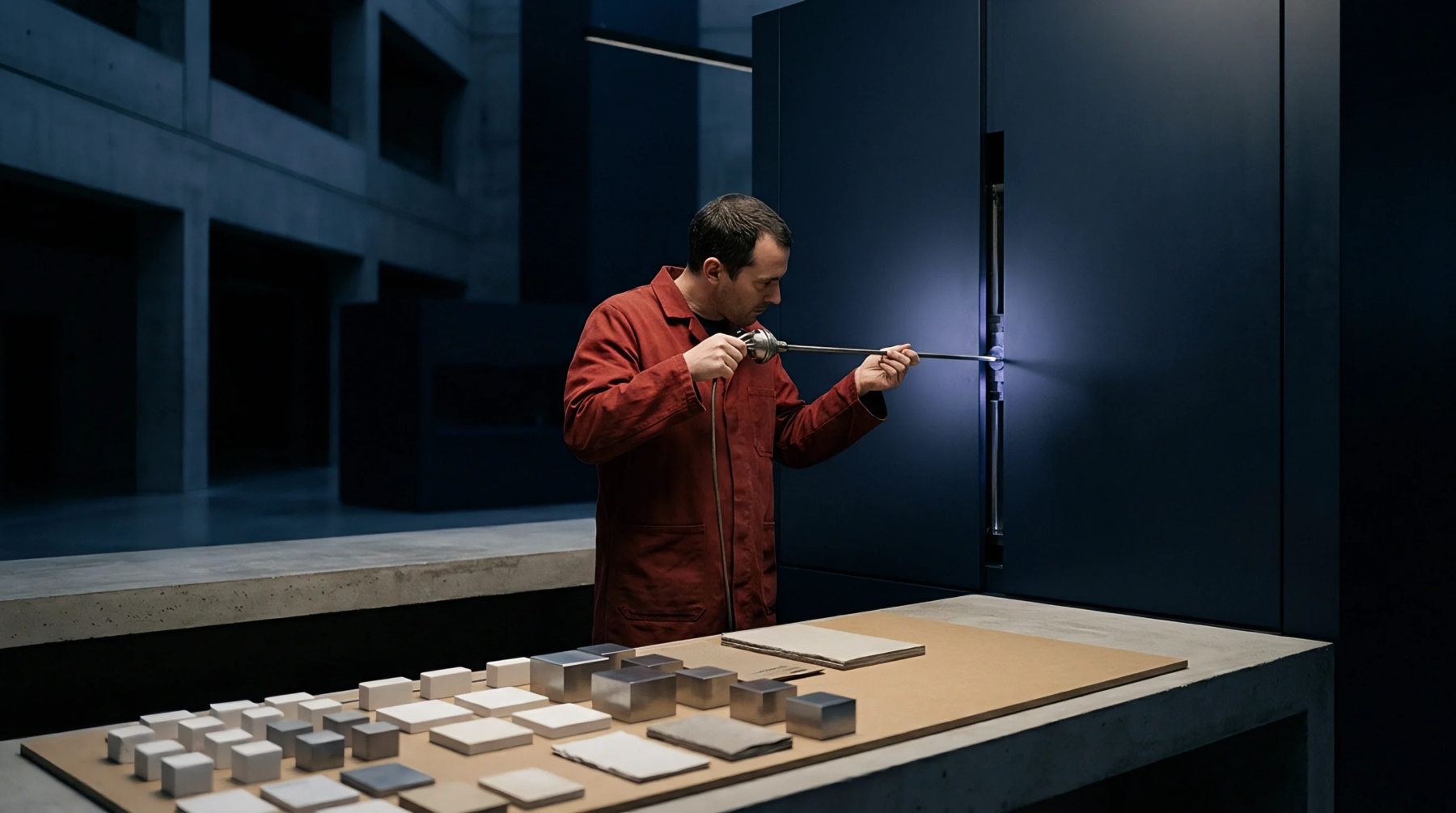
Degradation Process
Chemical breakdown of organic molecules occurs when they absorb high energy radiation from sunlight or artificial ultraviolet sources. In the context of paper and print, photolytic decay primarily affects the longevity of dyes or pigments and optical brightening agents. This reaction leads to fading or yellowing as the molecular bonds that produce colour are severed.
The speed of the reaction depends on the intensity of the light and the sensitivity of the chemical structures.
Chemical Transformation
Photons provide the activation energy required to break covalent bonds or initiate oxidation reactions within the coating layer. Fluorescent whitening agents are particularly susceptible because they are designed to absorb ultraviolet light and re-emit it as blue light. Once the molecule is damaged, it loses its ability to fluoresce, causing the paper to look dull or aged.
Lignin in mechanical pulps also reacts quickly, turning brown upon exposure to light.
Material Stability
Stability testing involves exposing samples to intense light under controlled conditions to predict the shelf life of packaging. High quality archival papers use pigments instead of dyes to resist this form of damage. Protective coatings or laminates can incorporate ultraviolet absorbers to shield the sensitive print layers underneath.