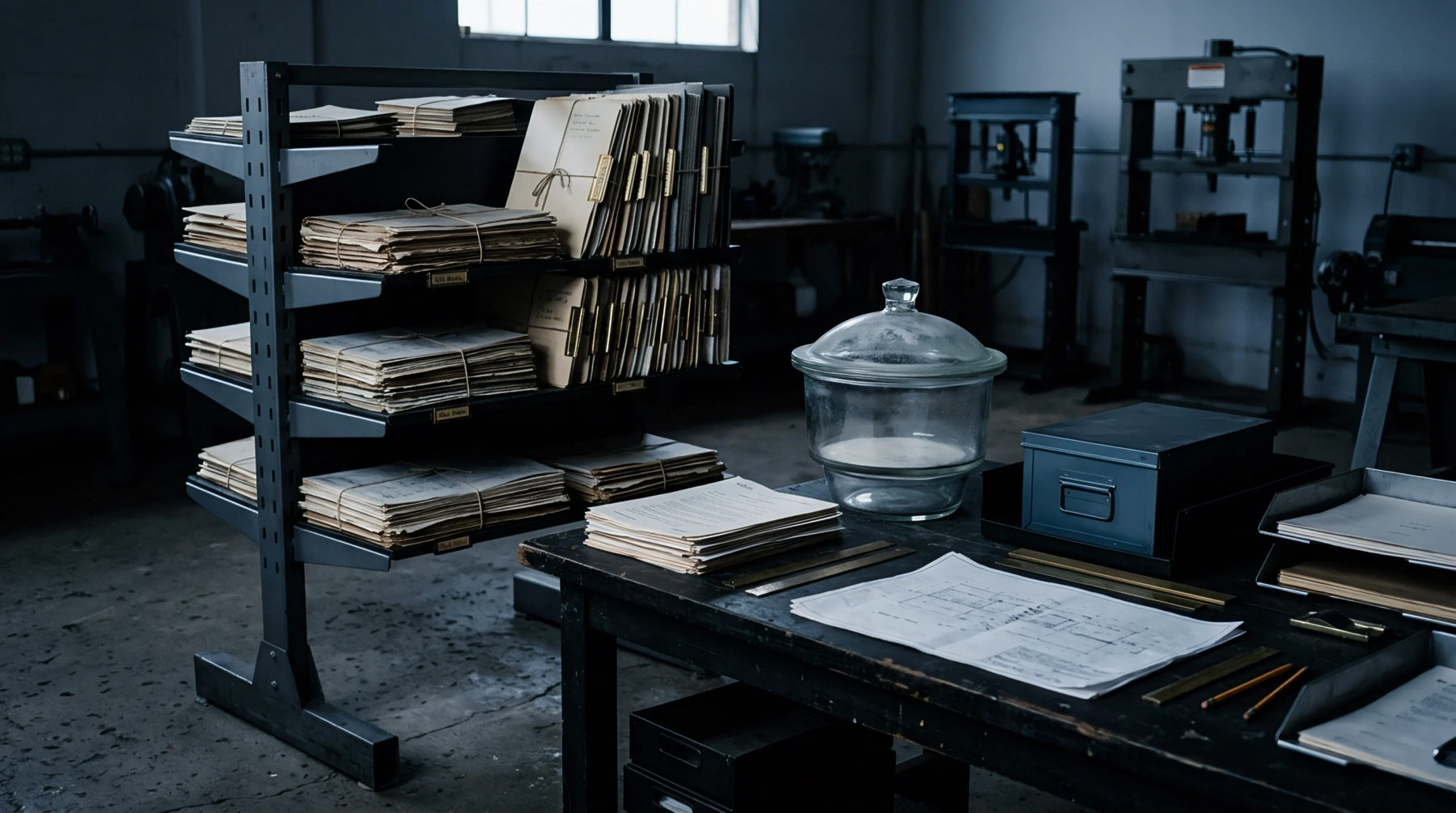
Fibre Fractionation Mechanism
Mechanical processes divide mixed paper, paperboard, and composite packaging waste streams into distinct material fractions without altering the intrinsic chemical structure of the constituent polymers or cellulose fibers. In recovered paper processing and secondary fiber stock preparation, physical separation classifies incoming furnish based on particle dimension, mass density, hydrodynamic drag, or surface wettability. Centrifugal cleaners, pressure screens, flotation deinking cells, and ballistic separators isolate contaminants such as adhesive polymers, plastic coatings, staples, and sand from reclaimable wood pulp.
The process boundaries end where chemical degradation, biochemical bleaching, or thermal dissolution begins.
Hydrodynamic Screening Operations
Stock preparation plants pump diluted aqueous fiber slurries through sequential stages of mechanical screening devices to isolate clean cellulose fibers. The physical separation of heavy contaminants occurs in high-density hydrocyclones where tangential slurry injection establishes a high-velocity vortex that drives grit, glass, and metal fragments against conical walls for downward discharge. Light contaminants, including polyolefin film fragments and pressure-sensitive adhesive particles, migrate toward the lower-pressure core of reverse cleaners and exit through an axial vortex finder.
Fine slotted pressure screens with apertures between 0.10 and 0.15 millimetres retain oversized flake contaminants and unpulped fiber bundles while allowing single papermaking fibers to pass. Mechanical agitation near the screen basket prevents fiber mat formation from blinding the apertures. Reject fractions undergo secondary and tertiary screening stages to recover entrained usable fiber before final rejection, maintaining overall stock yield.
Flotation cells introduce micro air bubbles into the furnish, attaching hydrophobic ink particles to ascending foam layers that mechanical skimmers remove continuously from the vat surface.
Efficiency Threshold
Mechanical sorting mechanisms lose selectivity when contaminant physical properties match those of the recovered cellulosic substrate. Pressure screens cannot isolate micro-stickies whose deformability allows them to extrude through screen slots under hydraulic pressure differentials. Similarly, hydrocyclones fail to extract plastic fragments whose specific gravity falls between 0.95 and 1.05, matching the buoyancy of water-swollen pulp fibers.
Separation efficiency diminishes sharply under high stock consistency, where fiber network entanglement restricts independent particle motion.