Haptic Modification
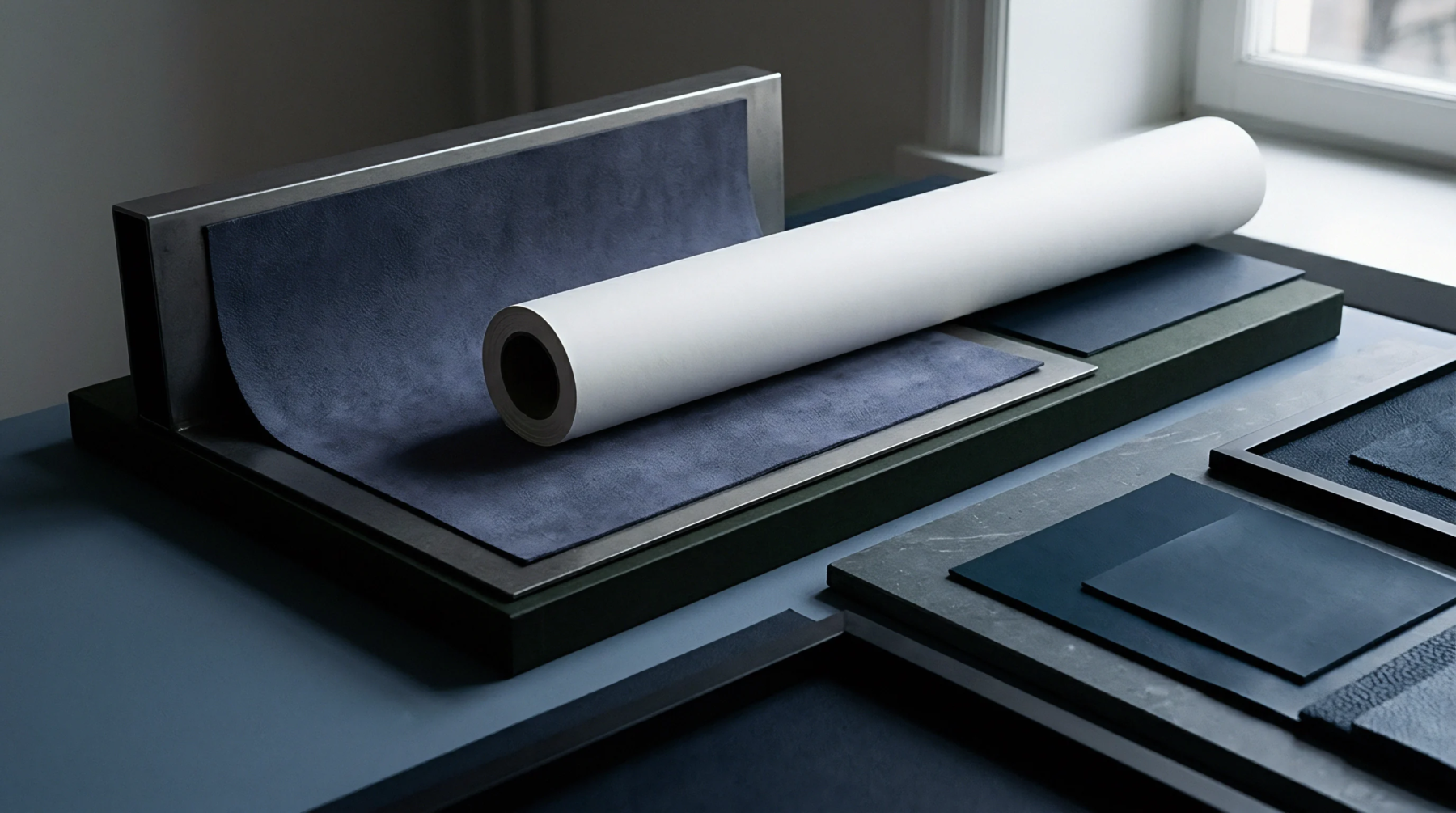
Thermoplastic polyurethane resin constitutes the synthetic top layer applied to paperboard substrates to alter tactile response. Polyurethane soft touch film provides a matte finish that absorbs light while delivering a rubberized texture for premium packaging applications. Manufacturers bond these thin membranes to substrates using thermal lamination processes where adhesive layers melt under controlled heat and pressure settings.
Frictional Resistance
This material increases surface friction to improve grip on folding cartons and luxury book covers. Solvent resistance qualifies the film for environments where oils or hand creams frequently contact the packaging surface. Scuffing marks remain hidden under the matte surface, which prevents the cosmetic degradation commonly associated with high gloss coatings.
Static charging occurs during high speed converting operations, and specialized additives in the film structure mitigate this buildup to prevent misfeeding in automatic packing lines.
Application Threshold
Converters monitor the tension settings throughout the lamination sequence to avoid curling effects on thin cardstock. Operators set the nip roll temperature to match the specific melt point of the adhesive base, as deviations compromise the bond strength between the synthetic film and the underlying paper fibre. The thickness of the material influences the final creasing behavior of the package, and heavy gauge options require wider channel depths during the scoring process to prevent cracking at the fold.
High quality lamination demands a surface energy level that allows the adhesive to anchor into the paperboard grain for reliable adhesion.