Substrate Permeability
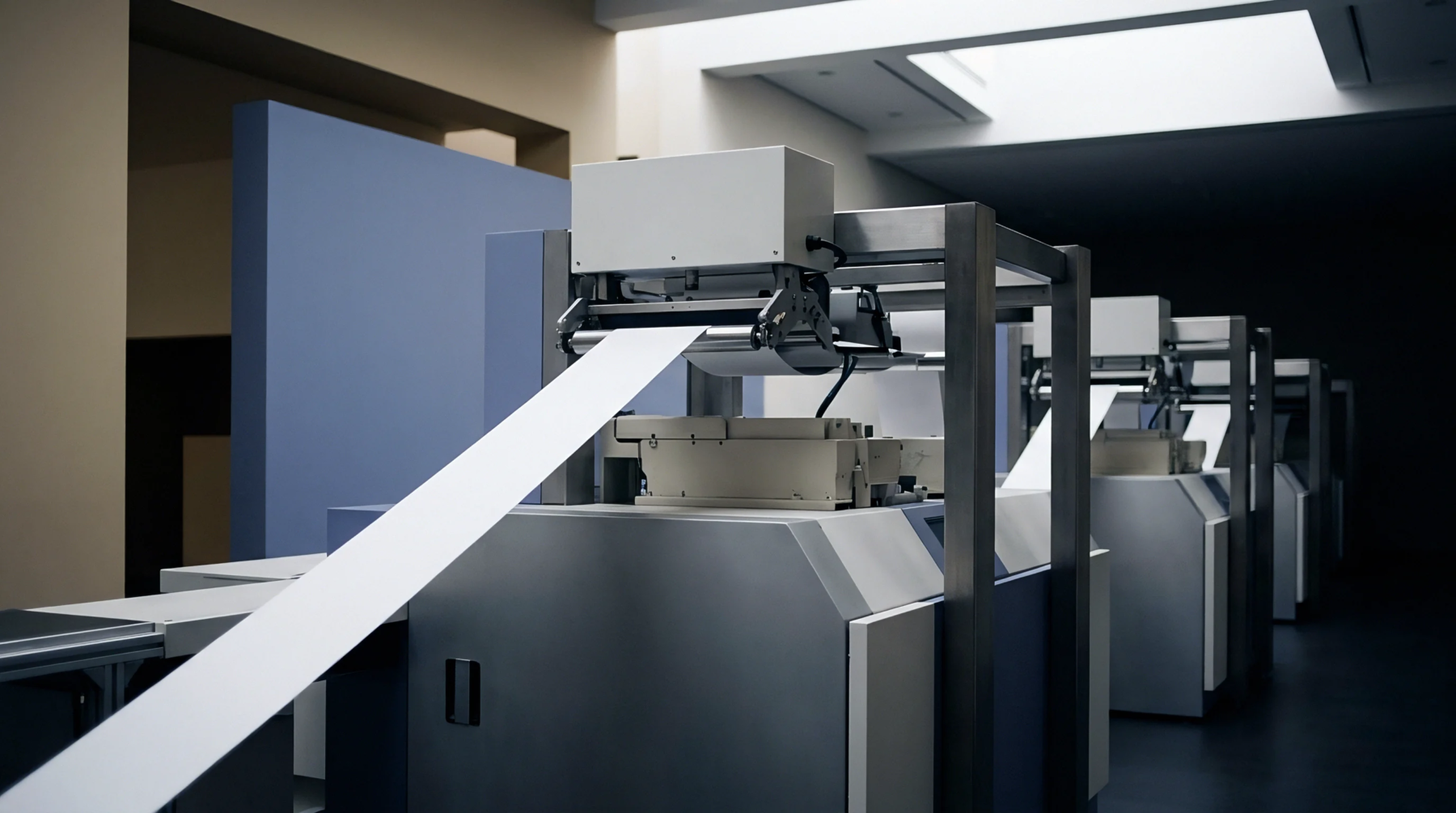
Liquid movement through a porous matrix depends entirely on pore throat diameter, which dictates fluid flow velocity across pressed paperboard and coated packaging stocks during barrier application. The wet end of the paper machine controls this microscopic constriction dimension through refining intensity and furnish selection, where high fiber compaction creates tighter voids that restrict liquid penetration. Converting operations rely on this structural geometry to govern the transfer rate of aqueous barrier coatings, because oversized gaps permit excessive resin absorption while under-refined sheets remain too dense for adequate dispersion.
Fluid Retention
Barrier integrity during high-speed printing requires predictable capillary restriction, which prevents liquid phase migration from escaping the intended surface layer and striking underlying structural plies. Calendering pressure reduces interstitial volume by compressing adjacent fibers together, forcing the network to accommodate lower volumes of fountain solution without losing dimensional stability. Press operators monitor liquid migration rates to detect localized variations in web formation, ensuring that uneven compaction does not cause localized bleed-through during gravure printing runs.
Structure Mechanics
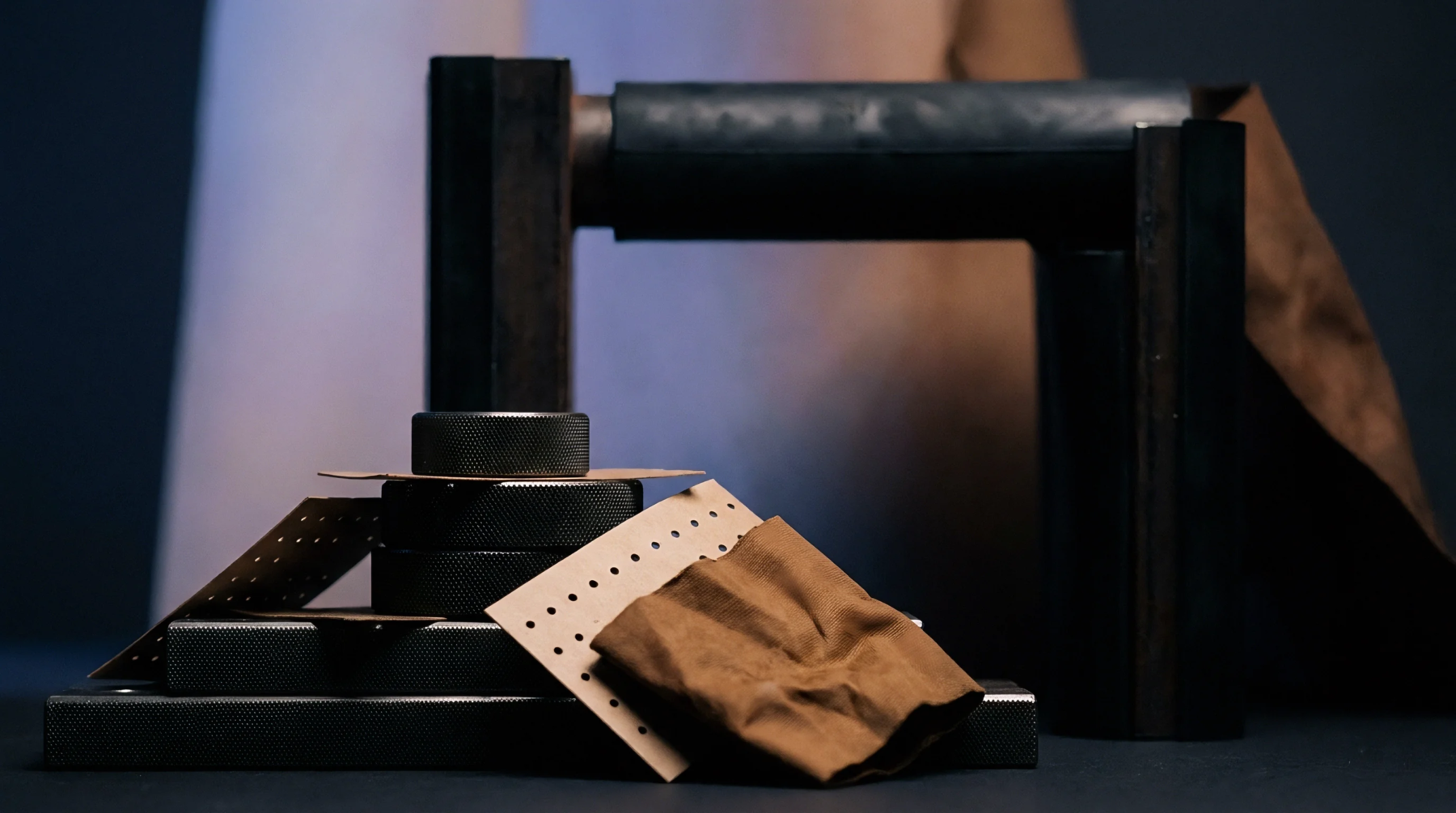
Mechanical deformation during converting places severe stress on internal void networks, because sudden tensile forces stretch the cellulose web and alter the geometry of microscopic fluid pathways. Tensile strain pulls bonded fibers apart, expanding internal channels and triggering premature coating strike-through under heavy nip rolls. Converting machinery operators adjust web tension parameters to prevent structural tearing across the cellulose matrix, protecting the internal geometry from permanent damage before final packaging lamination occurs.