Capillary Action
Fluid uptake through the internal void structure of a solid material occurs via the mechanism of capillary action during printing or coating. Printers monitor porous absorption to control the depth of ink penetration and the sharpness of the printed image.
Fluid Penetration
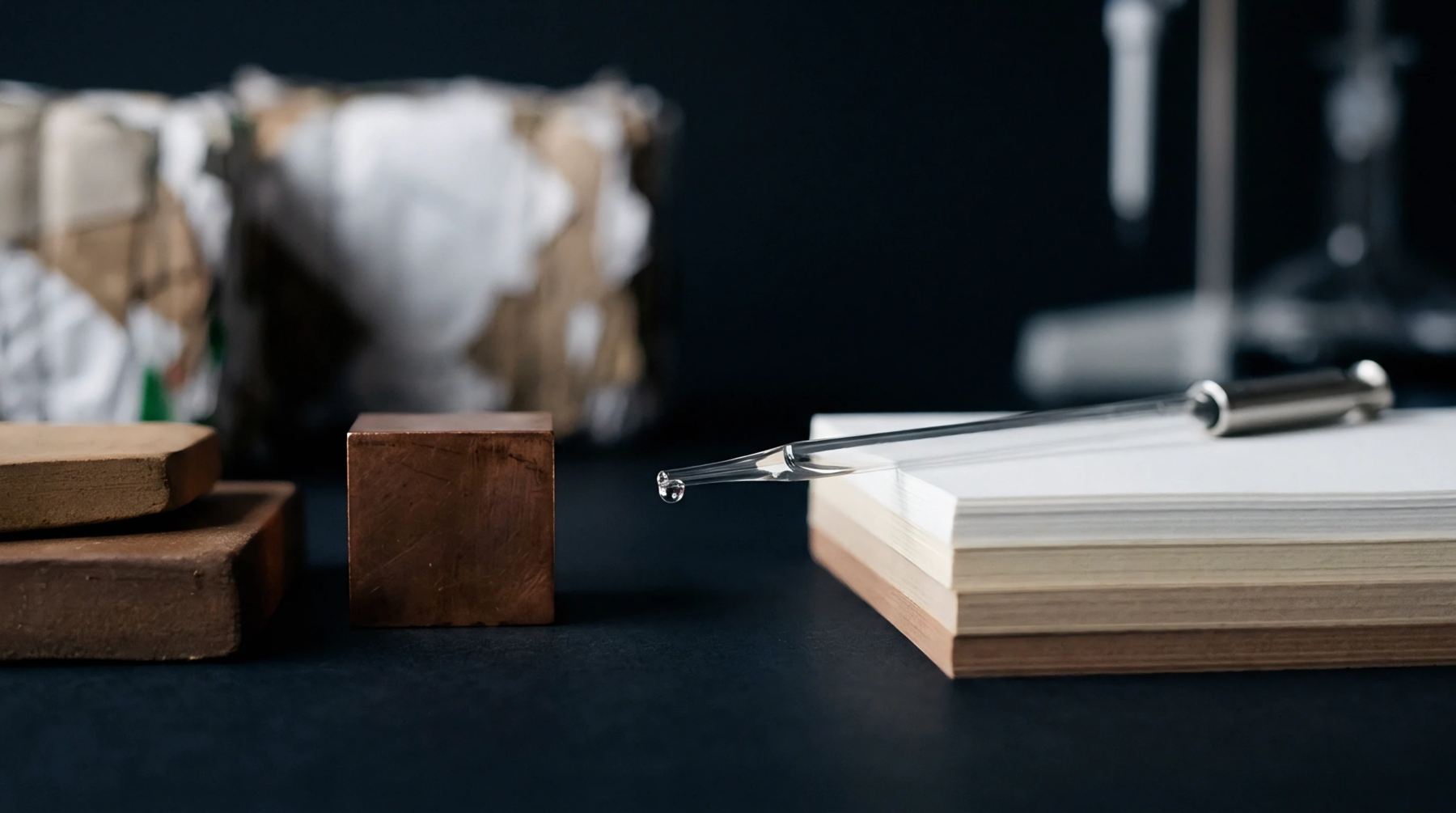
When a drop of liquid hits the surface, it travels into the spaces between the fibres through capillary action. The rate of this movement is described by the Lucas-Washburn equation, which considers the viscosity of the liquid and the radius of the pores. A surface with large pores will absorb ink quickly.
Conversely, very small pores can cause the ink to sit on the surface and smear before it can dry. Sizing agents are added to the pulp to manage this process by changing the surface energy of the fibres. Proper control of the internal structure ensures that the substrate holds the pigment in place while the carrier fluid drains away.
Substrate Saturation
Excessive liquid uptake can weaken the bonds between the fibres and lead to a loss of structural integrity. This becomes a problem in coating operations where the base sheet must remain strong while wet. The absorption capacity is finite and stops once all the available void space is filled.