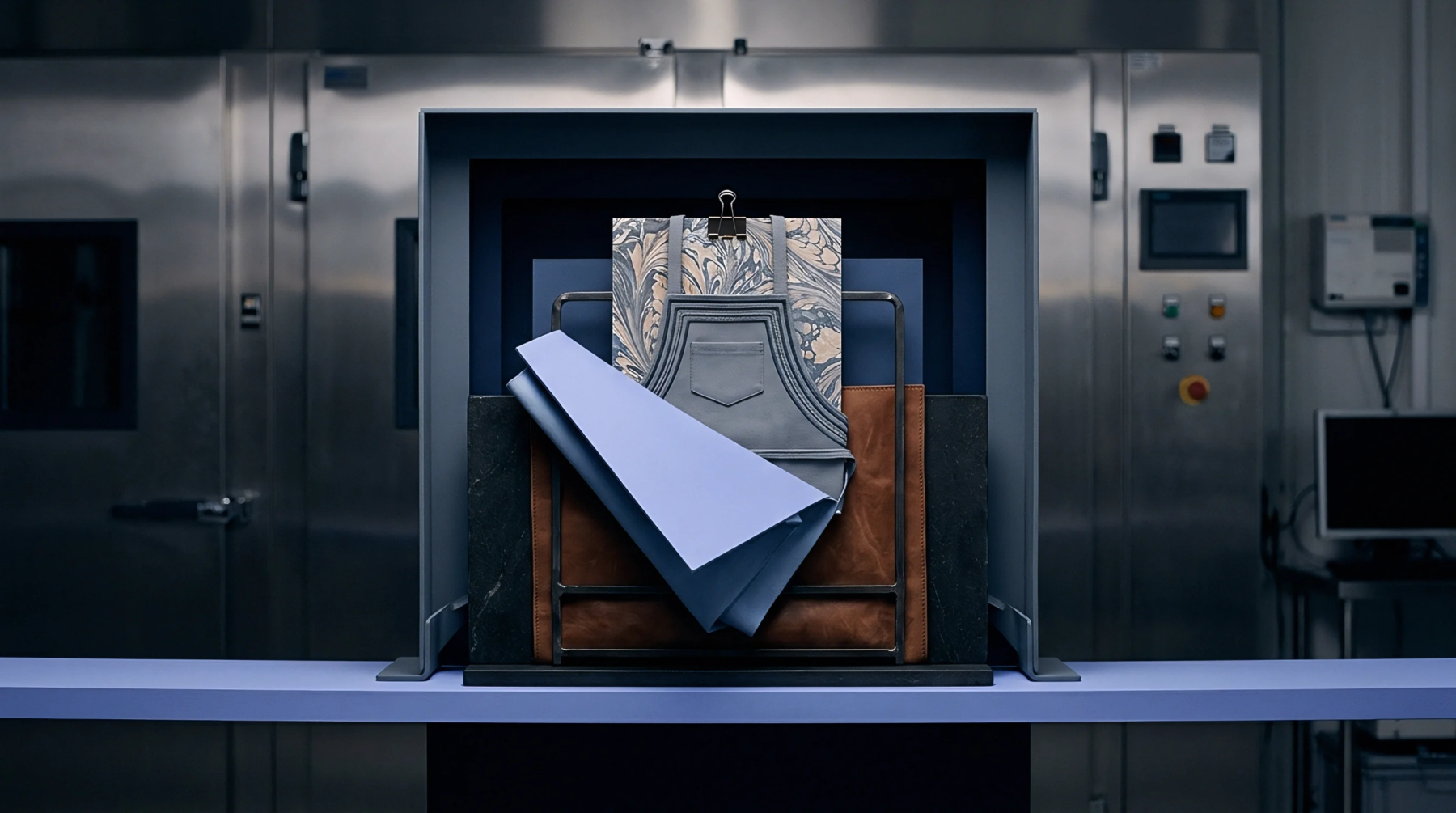
Moisture Equilibration
Environmental atmospheric regulation dictates the dimensional stability and ink receptivity of cellulosic substrates by forcing the paper fibres to reach a specific equilibrium point with the surrounding air before any mechanical processing or offset printing occurs. Relative humidity conditioning performs this stabilization by holding the material within a controlled chamber where the moisture content of the sheet aligns with the target production climate. Producers monitor the percentage of water vapour in the air to prevent curl or register drift during high speed operations.
Precise atmospheric control mitigates the tendency of wood fibres to expand or contract when moved between distinct storage zones. If the stock remains brittle from insufficient water absorption, the mechanical stress of rotary printing presses causes tearing or cracked folds at the spine. Paper mills rely on this procedure to ensure that the grammage measurements remain consistent throughout the pallet, preventing weight fluctuations that trigger sensor errors in automated finishing machinery.
Dimensional Integrity
Stable sheet geometry requires this preparation because paper reacts to ambient moisture through the adsorption or desorption of water molecules within the fibre matrix. Controlled air handling systems maintain the required set points by circulating dry or humidified air through stack gaps to ensure even distribution across the entire surface area of the stock. Converting facilities utilize sensors to verify that the core of the roll matches the exterior conditions before unwrapping occurs.
Uneven moisture profiles inside a reel generate tension variations that stall automatic splicing systems. Standardizing the air quality across the floor eliminates the risk of misaligned images during multicolour printing runs.
Production Boundary
Mechanical performance specifications define the operational limits of this method because the drying cycle depends entirely upon the initial porosity of the substrate and the density of the applied coatings. Heavy clay coated papers require longer exposure times to reach the necessary moisture equilibrium compared to porous uncoated stocks. The process stops applying once the sheet achieves a moisture content that balances the internal bond strength against the external ambient load.
Successful conditioning prevents the ink film from stripping away due to fibre swelling while guaranteeing the structural strength of the packaging during later shipping.