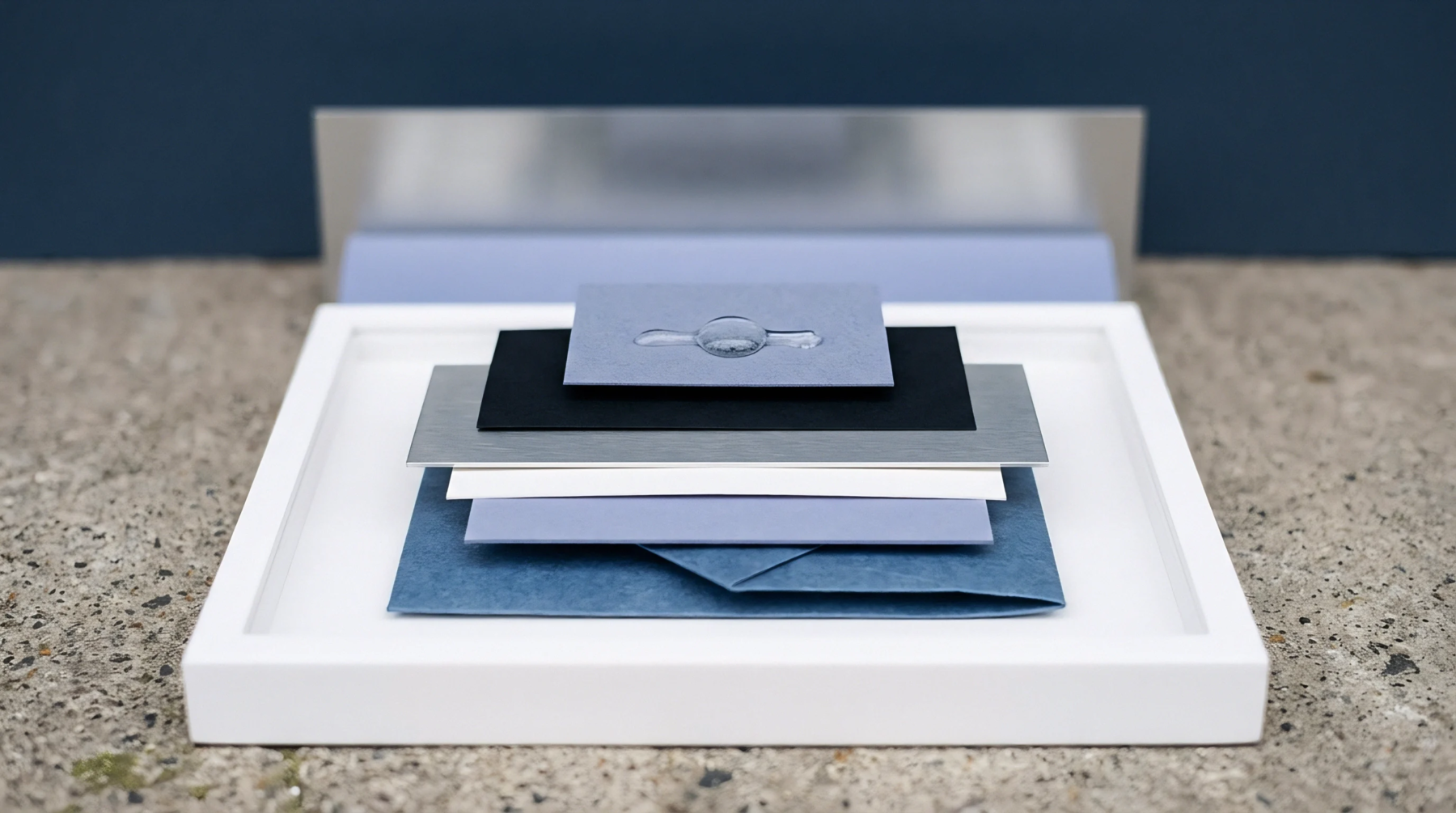
Surface Durability
Friction resistance measures the kinetic degradation of a matte coating on paper or film substrates. Soft-touch polyurethane abrasion quantifies the loss of tactile depth and uniform appearance when the coated side encounters repeated sliding forces. Standard test protocols apply rotating abrasive heads to the material under a controlled load until the velvet effect transitions into a shiny or damaged area.
The metric records the number of cycles required to reach a visible change in light scattering properties.
Performance Threshold
Laminating films and liquid coatings provide this texture through crosslinked polymer structures that absorb incoming light. Soft-touch polyurethane abrasion tests determine whether these polymers possess sufficient bond strength to prevent flaking or thinning under mechanical stress. A machine operator selects specific pressure settings for the abrasive test to replicate the contact conditions found in high speed finishing lines.
Low cycle counts suggest insufficient curing density or a poor interface between the coating and the underlying substrate. High performance formulations withstand thousands of cycles while maintaining the original coefficient of friction.
Process Stability
Manufacturers evaluate material performance to ensure consistent visual output throughout a production run. Soft-touch polyurethane abrasion sensitivity influences how converters manage sheet stacking and folding operations where contact pressure occurs. Excessive sensitivity forces the use of protective interleaving tissues or modified stacking heights to prevent coating degradation during storage.
Careful control of the drying oven temperatures during the initial application phase minimizes these risks by ensuring a complete cure of the resin matrix. The mechanical resistance of the surface finish dictates the total lifespan of the tactile experience for the final user.