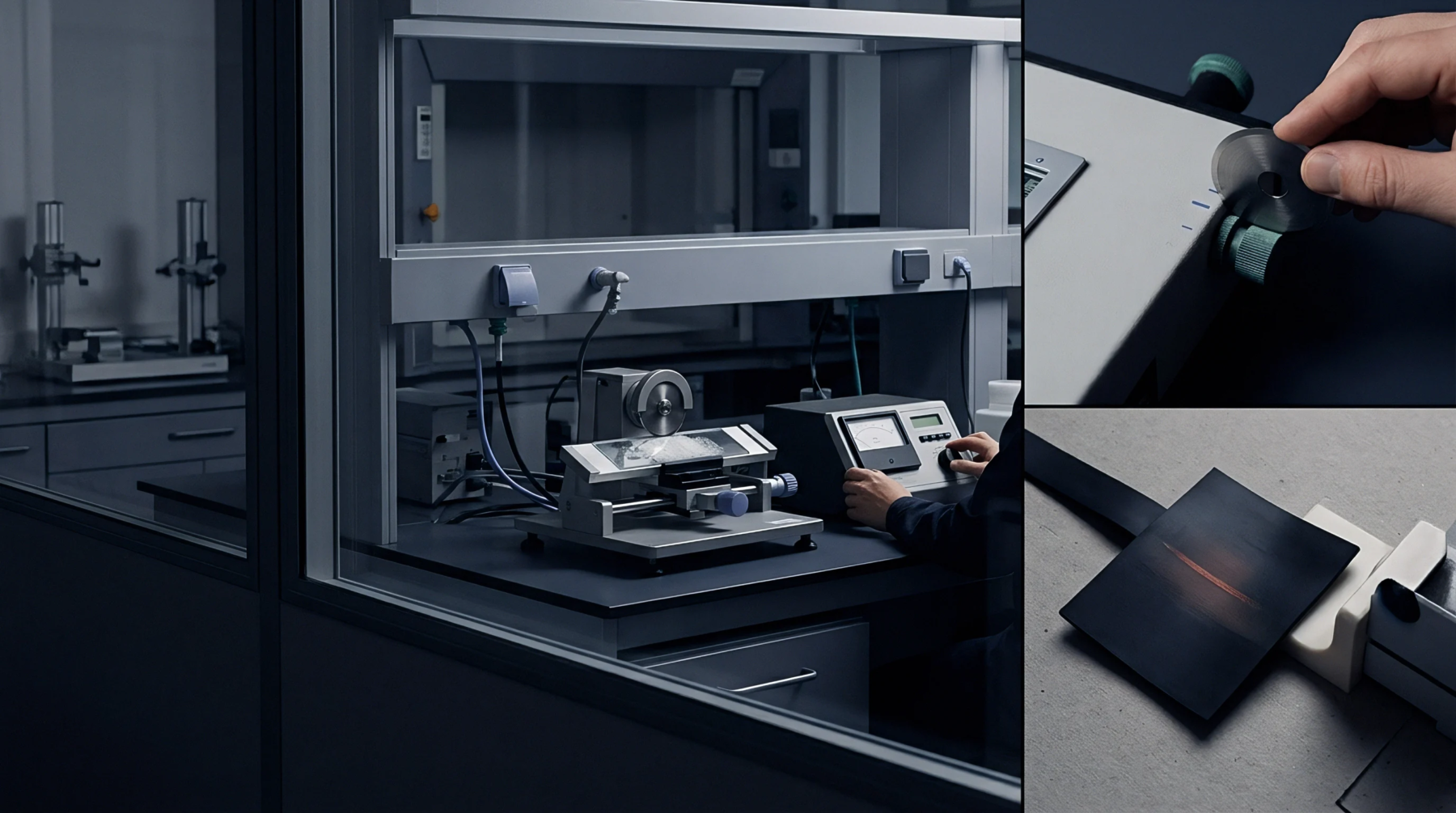
Elastic Recovery
Rotational force applied to a paperboard sheet during conversion generates angular displacement that retreats upon release of the tool. A springback moment measures the internal torque retained within folded creases of corrugated packaging when mechanical pressure subsides. Folding cartons and rigid boxes encounter this phenomenon constantly along crease lines where compressed fibres resist permanent angular setting.
Operators must account for this residual energy during die cutting and gluing operations to prevent panel distortion or joint failure. Die makers calculate the specific torque value to adjust creasing matrix depths and counterplate pressures on production lines.
Crease Mechanics
Cellular deformation occurs inside paperboard plies when steel rules press into substrates during scoring processes. Lignin and cellulose bonds stretch on outer tension zones while inner compression areas buckle under heavy loads. Elastic strain energy accumulates throughout the structural matrix during this mechanical displacement.
Released folding pressure allows stored internal forces to push panels back toward their original flat planes. Excessive residual torque causes glued flaps to peel apart before adhesives cure completely in high-speed manufacturing environments.
Conversion Tolerance
Finished packaging geometry depends entirely on precise compensation for board memory during automated folding sequences. Cartoning machinery applies overbending angles to counteract angular retraction in heavy substrates and laminated stocks. Plant engineers verify carton squareness by measuring residual angles after standardized dwell intervals following crease formation.
Correct tooling adjustments eliminate assembly line jamming caused by untamed angular rebound in rigid container production.