Dimensional Shift
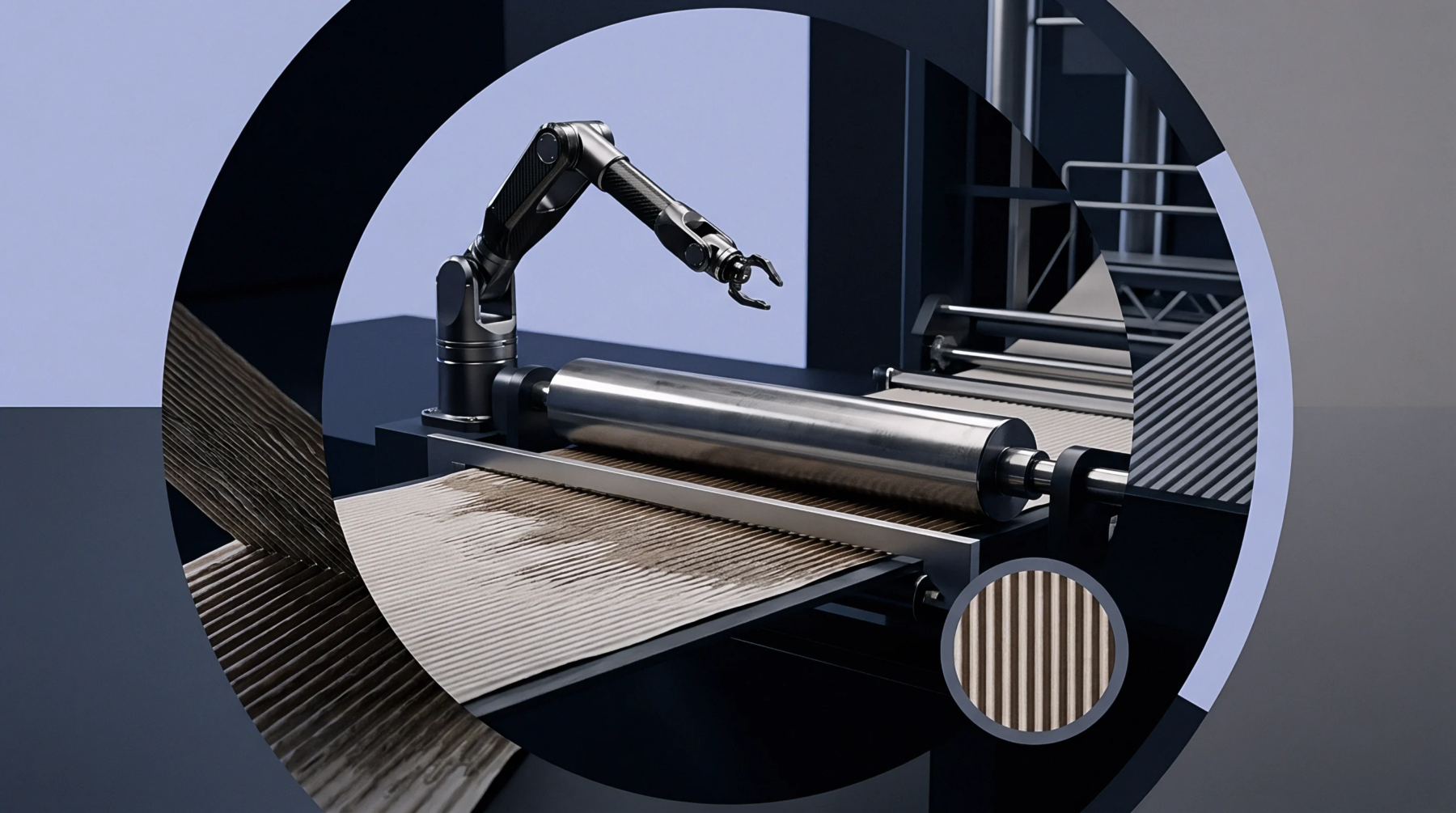
A mechanical phenomenon alters the diameter of a calender roll along its length due to temperature variations during operation. Through thermal roll expansion, localized heating or cooling is used to change the roll geometry to adjust the nip pressure profile on a paperboard machine. This precise adjustment regulates the thickness of the paperboard in specific zones across the web width.
The mechanism operates within the thermal limits of the steel roll and the heating system.
Temperature Control
The calender roll is equipped with internal heating channels or external induction heating coils that apply localized thermal energy to different zones. As the temperature of a specific zone rises, the steel expands, slightly increasing the roll diameter at that position. This localized expansion decreases the nip gap in that zone, applying more pressure to the passing paperboard sheet to reduce its thickness.
Conversely, cooling the roll causes localized contraction, which reduces pressure. This thermal control allows operators to correct caliper profile defects on the fly.
Latency Challenge
Because steel takes time to absorb and conduct heat, the correction has a natural time delay. This latency must be managed to prevent over-correcting and causing sheet instability. Accurate temperature feedback ensures the thermal adjustments remain stable during speed transitions.