Fibre Breakage
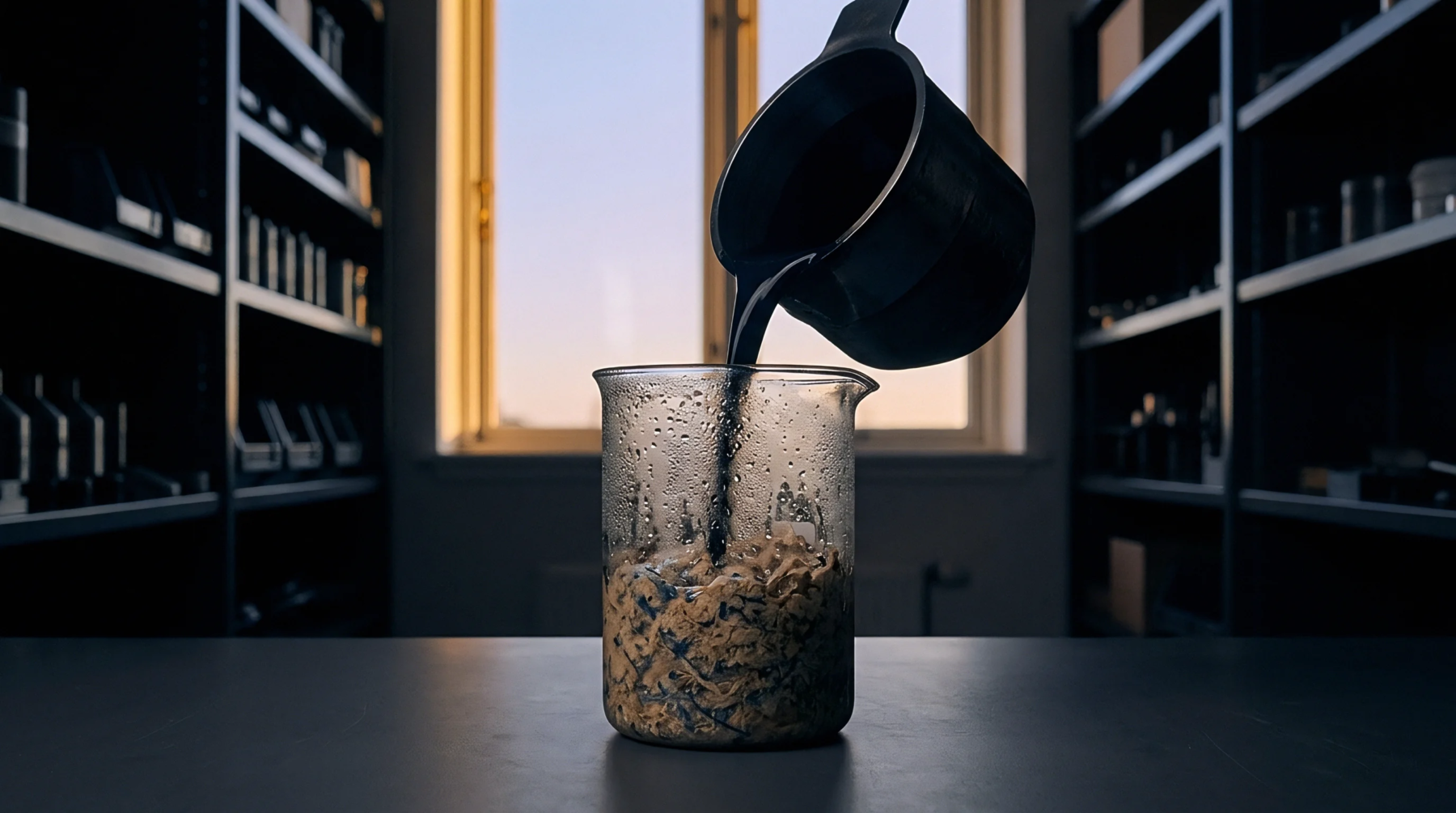
Hemicellulose dissolution describes the enzymatic removal of carbohydrate polymers from the secondary cell walls of woody biomass. The xylan degradation process happens when hemicellulases cleave the backbone chains that crosslink cellulose microfibrils in the raw material. Reducing these pentose sugars improves the access of cellulase enzymes to the crystalline interior of the fibres during chemical pulping or bioethanol production.
Strict control over the duration of thermal treatment prevents the loss of cellulose yield while promoting the intended breakdown of non-cellulosic polysaccharides.
Chemical Yield
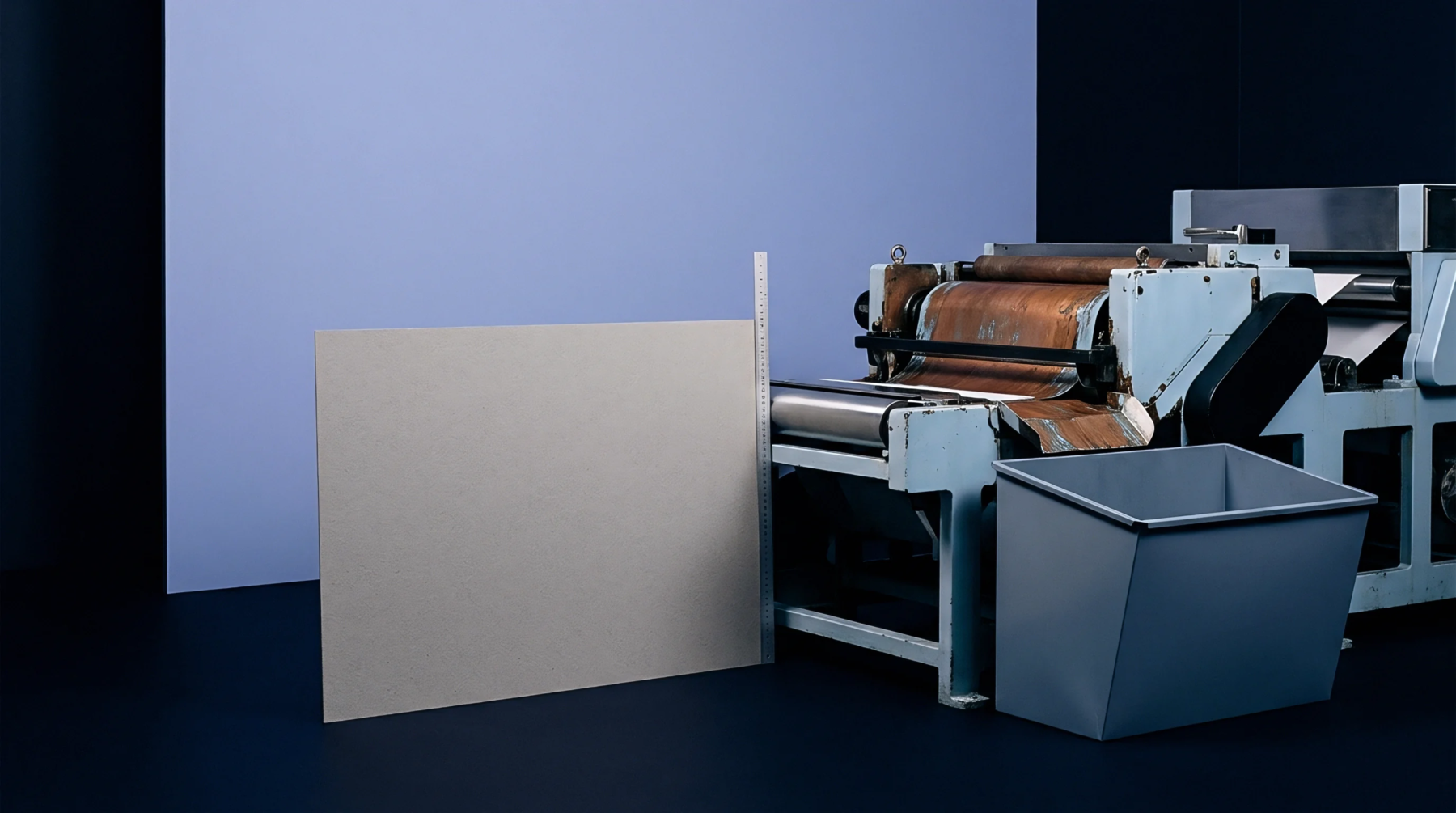
High concentrations of residual sugars in processed pulp create significant obstacles for downstream filtration and drainage stages. Manufacturers manage xylan degradation by balancing pH levels and temperature profiles in the alkaline extraction phase to ensure the solubilization of unwanted polymers occurs without degrading the structural integrity of the cellulose chain. Excessive hydrolysis weakens the paper web and alters the tensile strength of the sheet when the fibre network loses the lateral adhesion provided by hemicelluloses.
Operators monitor the filtrate colour to gauge the success of the wash cycle after the reaction reaches the target saturation point.
Process Stability
Consistent outcomes rely upon the steady supply of steam and reactive agents within the continuous digester environment. Variability in the wood chip feed stock disrupts the rate of reaction and forces adjustments to the chemical injection volume. Achieving specific levels of hemicellulose removal requires tight regulation of the retention time to maintain uniform sheet formation properties across a wide production run.
Stable pulp quality prevents erratic results in the final board stiffness and surface printability.