Resource Management
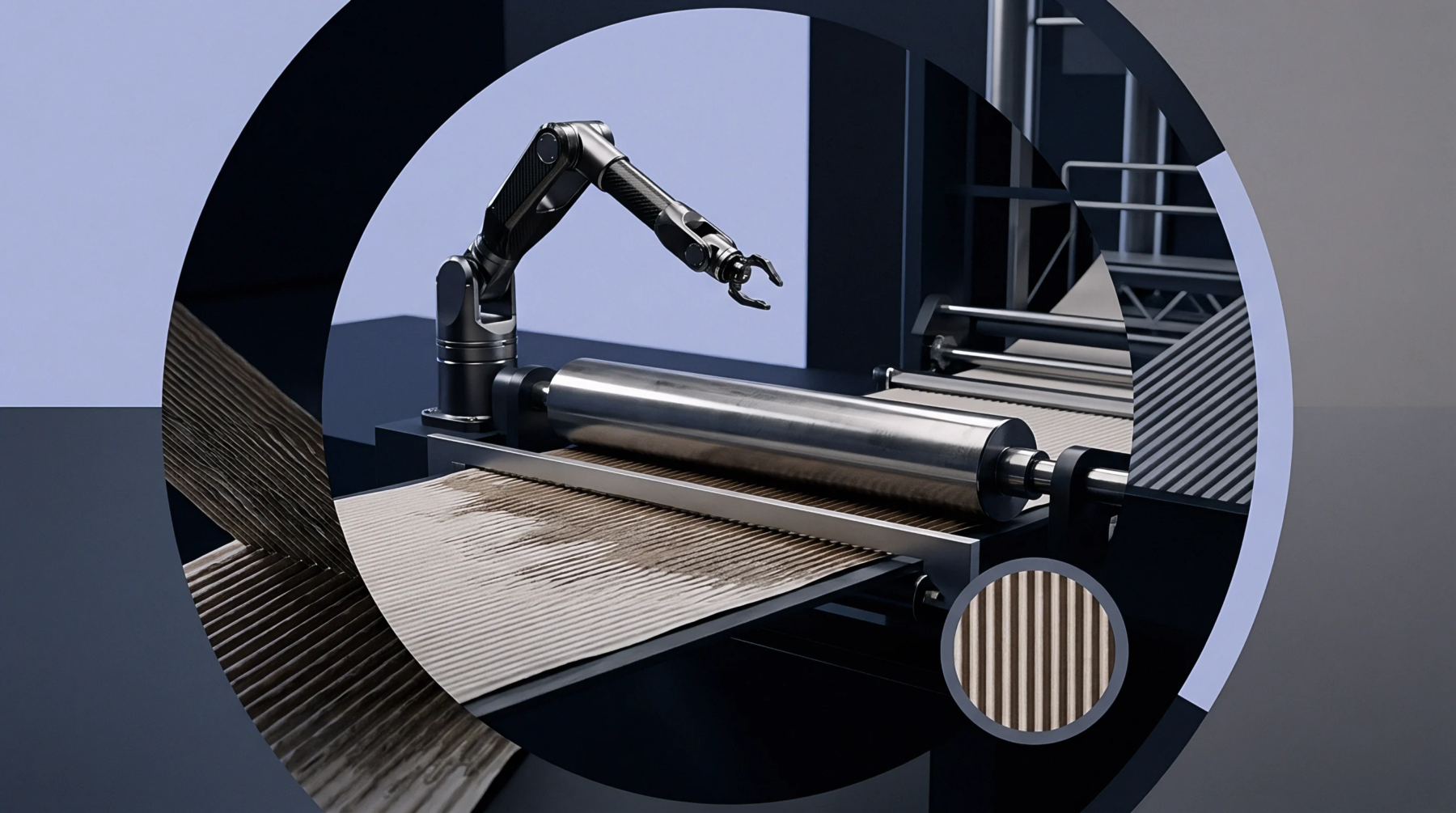
Reduction of the thickness of a substrate while maintaining its essential performance characteristics allows manufacturers to produce more surface area from the same mass of raw material. Manufacturers utilize yield optimization downgauging in the production of plastic films and specialty papers to lower costs. This process requires the use of higher-strength polymers or improved fibre processing to ensure the thinner material does not fail in use.
Thickness Reduction
Advanced extrusion and calendering technologies enable the precise control needed to achieve these thinner profiles reliably. When yield optimization downgauging is implemented, the barrier properties and tensile strength must be carefully monitored to ensure they still meet the requirements of the final application. Success in this area often depends on the addition of specialized resins or coatings that provide extra rigidity at lower weights.
Technicians must balance the reduction in mass with the need for structural stability.
Operational Stability
Packaging converters benefit from having more meters of material on each roll, which reduces the frequency of roll changes and increases overall machine uptime. However, yield optimization downgauging can make the web more sensitive to temperature changes and tension variations during the printing process. Finding the balance between material savings and operational stability is the primary challenge of this technique.
Thinner materials require more precise tension control systems to prevent stretching or breaking during the converting process. This approach is a standard method for improving the efficiency of high-volume production lines.