Fiber Alignment
Internal tensile deformation known as z-direction strain governs how paperboard behaves under the heavy peeling loads imposed by high-speed rotary die cutters and aqueous lamination units during folding carton production. Paper machines establish this thickness-wise elongation property during the wet pressing and final drying phases, where restraint forces dictate the vertical distance fibers can stretch before interlayer bonds fracture. Converting plants monitor this vertical elongation metric to prevent internal delamination during high-speed vacuum pickup and rapid peeling operations, where insufficient inter-fiber bonding causes board plies to split apart under perpendicular pulling forces.
High caliper multi-ply folding boxboard requires tight control over out-of-plane elongation tolerance because excess moisture differential between top and bottom liners concentrates internal stress along the median plane of the sheet.
Interlayer Tension
Resistance against delamination relies directly on the internal bond strength developed through refined mechanical pulping and chemical additive retention during stock preparation. Papermakers adjust headbox jet-to-wire speed ratios to optimize fiber orientation distribution, which subsequently restrains destructive vertical deformation during aggressive printing nip passage and coating application. Excessive caliper swelling during offset lithography dampening cycles weakens the perpendicular matrix, forcing press operators to reduce fountain solution delivery to prevent internal sheet rupture.
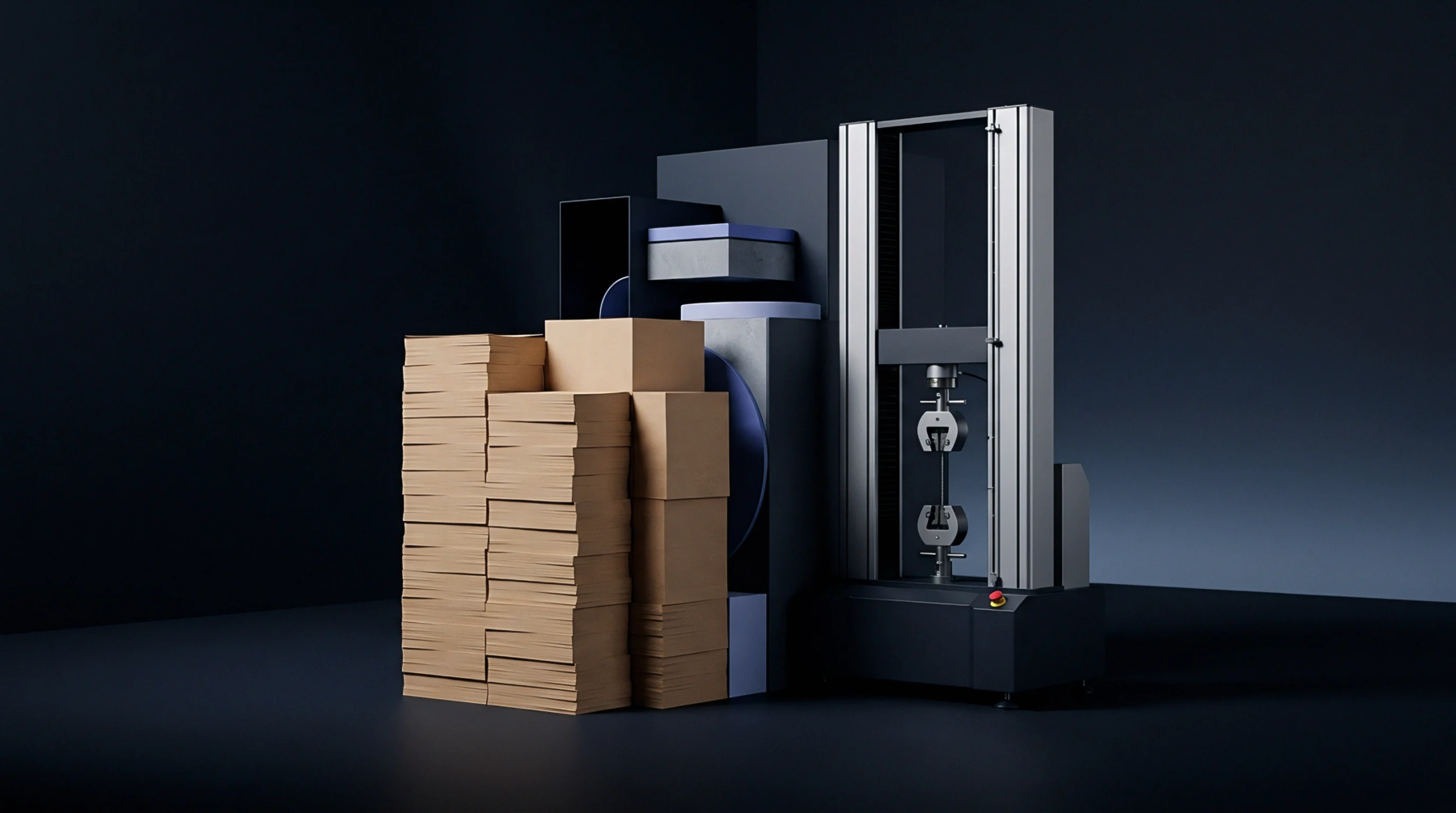
Testing protocols utilize specialized tensile clamps that pull the board faces apart at right angles, recording the exact elongation percentage achieved at the precise moment of internal ply separation.
Ply Delamination
Structural failure occurs when perpendicular pulling forces exceed the internal cohesion threshold established during the wet end pressing stages of paperboard manufacture. Converters operating high-speed window patching machines encounter this boundary limitation whenever adhesive tack forces pull faster than the internal fiber network can stretch without breaking apart. Board grades featuring high secondary fiber content display reduced tolerance for out-of-plane elongation, requiring strict limits on glue viscosity and dryer temperature profiles to maintain package integrity.