Mass Balance Verification Protocols for Secondary Packaging Furnish
Mass balance verification for secondary furnish requires reconciling dry EN 643 bale weights, pulping yield losses, and 12-month credit ledger expirations.

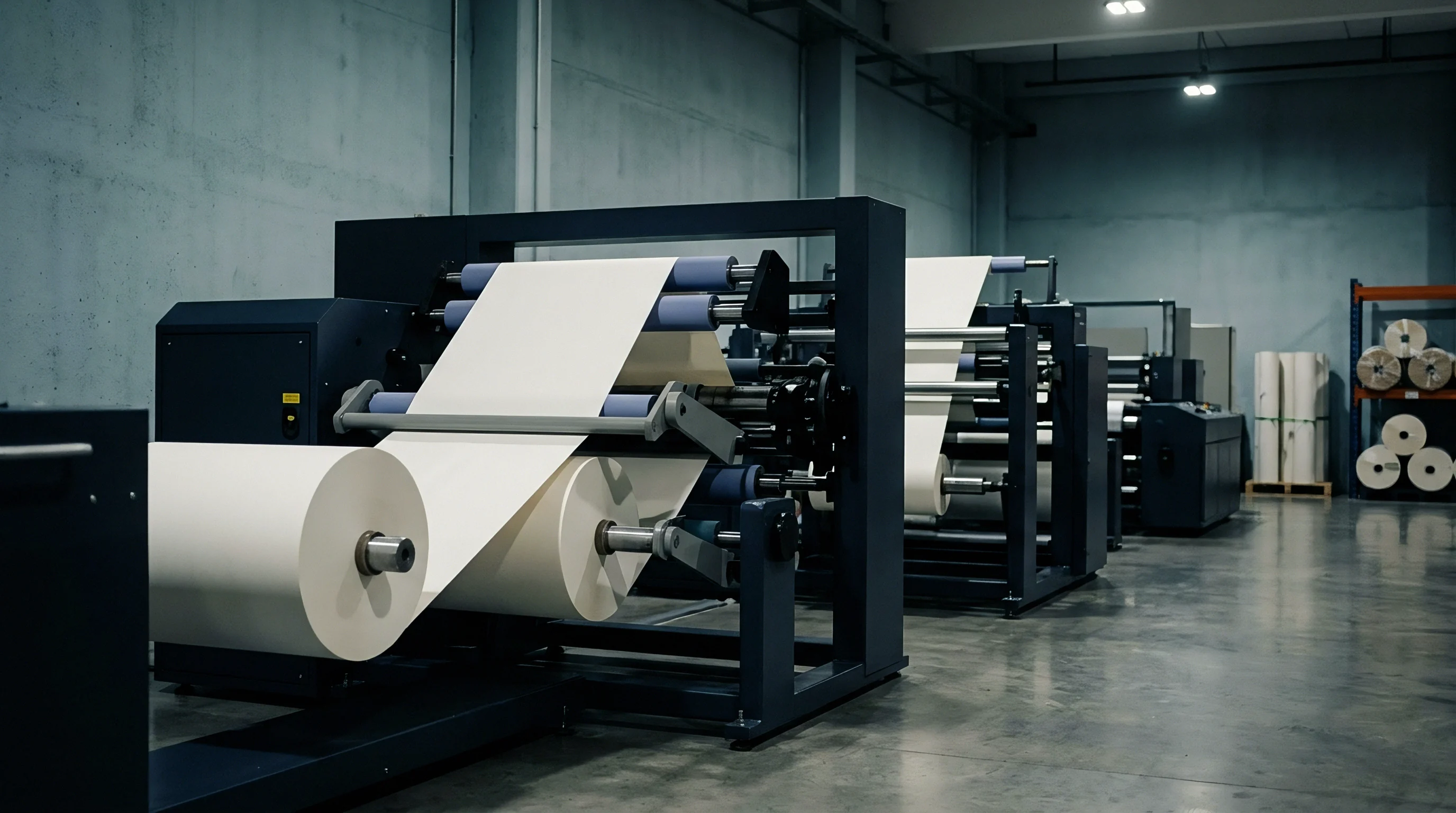
Bale
Recovered paper deliveries enter the receiving yard with commercial documentation claiming specific EN 643 grades. The mill rejects wet stock. Inbound secondary furnish verification begins at the weighbridge and unloading deck, where visual inspection, core drilling, and automated moisture scanning establish the true dry fiber weight.
Suppliers bill on gross metric tonnage, yet pulping calculations rely exclusively on bone-dry furnish. When moisture content exceeds contract specifications, the accounting ledger absorbs phantom fiber that never reaches the forming fabric.
The European standard EN 643 categorizes recovered paper and board into standard, medium, high, and kraft grades, setting precise limits on non-paper components and unwanted materials. Mill receiving protocols require systematic verification of each incoming lot against the delivery note. A load designated as Grade 1.05, representing old corrugated containers containing maximum 1.5 percent non-paper components, demands rigorous dockside sorting.
A higher fraction of prohibited plastics, wax-coated boards, or hot melt adhesives directly degrades pulping yield while introducing contaminants that evade coarse screening.
Bale moisture exceeding twelve percent triggers an automatic weight deduction under EN 643 commercial receiving rules.

Inbound Quality Verification Standards
Moisture testing at the receiving deck follows ISO 287 oven-drying procedures or calibrated microwave resonance probes across core drillings. Moisture skews mass calculations. Standard commercial terms establish a moisture tolerance between ten and twelve percent of total weight.
Any moisture measured above twelve percent requires an immediate mass deduction from the gross delivery weight before booking the intake into the secondary furnish inventory ledger. When testing reveals fourteen percent moisture on a twenty-five tonne trailer, the receiving clerk registers only 24.5 tonnes of furnish, preventing fictitious mass creation.
| EN 643 Grade | Commercial Grade Description | Maximum Non-Paper Components | Maximum Unusable Paper | Moisture Rejection Threshold |
|---|---|---|---|---|
| 1.02.00 | Sorted Mixed Papers | 1.50 % | 3.00 % | 12.0 % |
| 1.04.00 | Corrugated Paper and Board | 1.50 % | 2.50 % | 12.0 % |
| 1.05.00 | Old Corrugated Containers | 1.50 % | 2.00 % | 12.0 % |
| 4.01.00 | New Shavings of Corrugated Board | 0.50 % | 1.00 % | 10.0 % |
| 4.02.00 | Unused Kraft Corrugated Paper | 0.25 % | 0.50 % | 10.0 % |
Contaminants enter the hydropulper. Non-paper components comprise plastics, metals, glass, string, synthetic textiles, sand, and building materials. Unusable materials comprise paper and board products that have undergone treatments making them insoluble in water, including bitumen, wax, wet-strength resins, and aluminum foil laminates.
Auditors scrutinize inbound waste transfer notes, weighbridge tickets, and core moisture probe calibration certificates to verify that the mass entering pulping operations matches actual dry fiber content.

Contaminant Deduction Thresholds
Commercial contracts specify non-paper materials up to a maximum gross threshold of 1.5 percent by weight. When secondary inspection shows non-paper fractions exceeding this limit, the mill invokes commercial deduction schedules or rejects the entire vehicle. Discrepancies between billed furnace furnish and net accepted dry mass corrupt the conversion calculations throughout downline paper machine processes.
- Outthrow contamination exceeding established grade tolerances causes immediate lot downgrading and proportional financial chargebacks against the supplier invoice.
- Excess bale humidity creates biological heating inside storage stacks, triggering fiber degradation and mass loss through mold formation.
- Prohibited synthetic inclusions escape ragger lines and drum screens, depositing sticky residues on forming fabrics and drying cylinders.
- Inaccurate tare weights on transport vehicles falsify received tonnage records, creating discrepancies inside raw fiber ledgers.
The paper machine runs constantly. Sourcing teams that neglect physical bale inspection create systemic discrepancies inside company financial accounts and chain of custody filings. Failing to account for excess moisture and outthrow fractions results in severe fiscal penalties and immediate revocation of recycled content tax deductions.
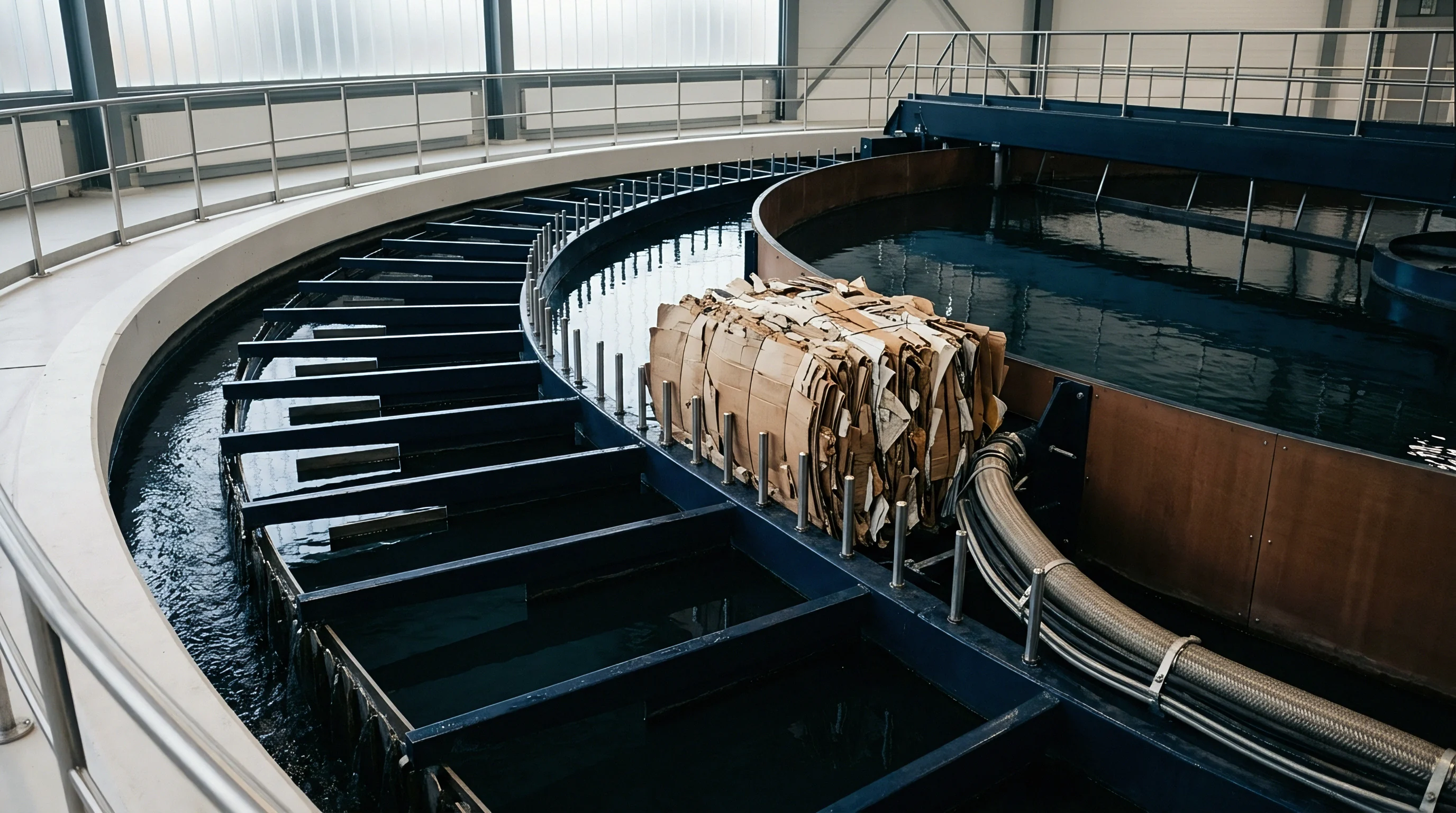

Allocation
Credit accounting under ISO 22095 permits facilities to assign certified secondary volume across distinct product runs without physical segregation. The physical secondary furnish mingles completely inside the stock chests, but the bookkeeping balance treats the input-output equations with rigorous mathematical conservation. Mills operating continuous production lines cannot isolate individual fiber bundles through pulpers, refiners, and headboxes.
Instead, certified chain of custody schemes allow sites to balance input volumes of verified secondary furnish against output volumes of finished linerboard or fluting.
FSC-STD-40-004 and PEFC ST 2002 establish explicit operational parameters for mass balance allocation. A packaging mill sourcing sixty percent post-consumer recovered paper and forty percent virgin kraft pulp can choose between the percentage system and the credit system. Under the percentage system, every reel manufactured during a specified batch carries an identical claim of sixty percent recycled content.
Under the credit system, the mill aggregates all verified secondary furnish inputs over an accounting period and allocates full one hundred percent recycled claims to a select volume of reels, selling the remaining production as conventional grade.
Clause 7.2 of ISO 22095 disqualifies mass balance credits when physical pulping losses exceed verified historical averages.

Chain Accounting under Formal Schemes
Scheme rules within FSC-STD-40-004 and PEFC ST 2002 govern how recycled input volumes balance against finished containerboard dispatches. The fundamental calculation relies on the formula: Output Credit Volume equals Net Verified Secondary Input Furnish multiplied by the Certified Process Yield Factor. Paper mills must never generate more credits than physical fiber balances permit.
The credit account functions like a bank ledger; withdrawals cannot occur before verified deposits clear the ledger.
| Furnish Grade Code | Pulping Line Type | Ragger and Detrasher Loss | Screening Reject Loss | Net Process Yield Factor |
|---|---|---|---|---|
| EN 643 1.05.00 | Continuous High-Density Pulper | 2.8 % | 4.7 % | 0.925 |
| EN 643 1.04.00 | Drum Pulper with Coarse Screens | 3.5 % | 5.5 % | 0.910 |
| EN 643 1.02.00 | Low-Density Deinking Pulp Line | 4.2 % | 14.8 % | 0.810 |
| EN 643 4.01.00 | Batch Hydropulper for Broke | 0.5 % | 1.2 % | 0.983 |
Paper mills run mixed streams. Verification protocols mandate that yield factors derive from actual historical mass balance assessments conducted over rolling twelve-month production cycles. Calculating yield factors based on theoretical engineering assumptions rather than measured rejects leads to immediate non-conformance findings during annual surveillance audits.
When a mill converts 1,000 bone-dry tonnes of Grade 1.05 recovered paper into testliner via a system with a 0.925 yield factor, exactly 925 tonnes of secondary furnish credit enter the account.
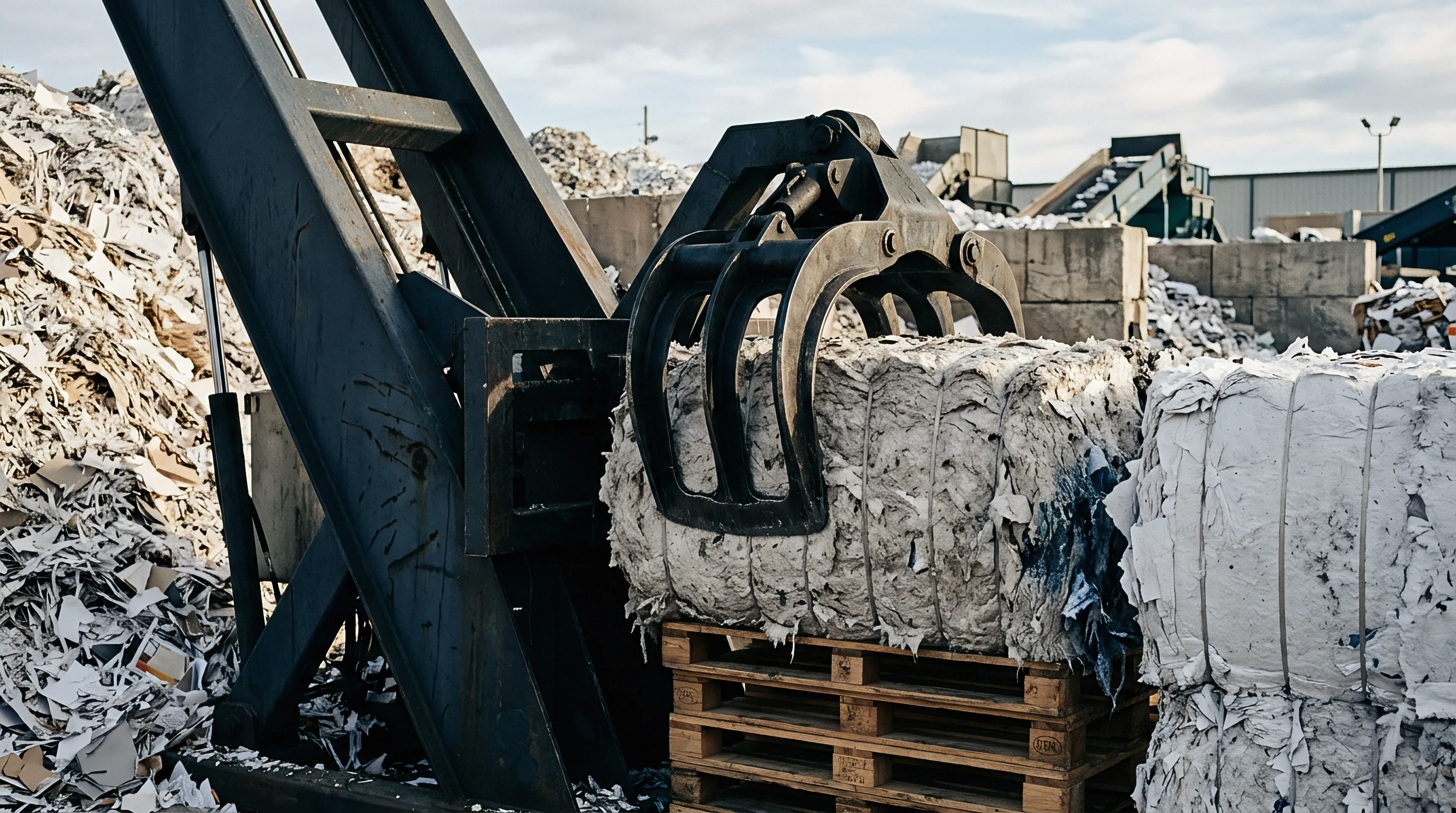
Conversion Factor Derivation
Repulping yields vary substantially between coarse unbleached kraft lines and flotation deinking systems. Deinking mills lose up to twenty-five percent of raw intake mass through ink removal, clay washing, and fine fiber reject streams. Standard testliner production lines suffer lower losses, typically between seven and ten percent, consisting primarily of tape, staples, insoluble coatings, and short fiber fines lost to sludge treatment.
Auditors demand empirical proof for every conversion factor used in mass balance spreadsheets.
- Dry input verification determines the net bone-dry weight of incoming recovered paper lots by subtracting measured moisture percentages and visual outthrow deductions from gross weighbridge records.
- Screening rejection measurement tracks the dry mass of solid waste rejected by drum screens, ragger lines, cyclone cleaners, and pressure screens over the exact production timeframe.
- Effluent solids accounting monitors suspended solids leaving the stock preparation area toward primary clarifiers and dissolved air flotation units to account for lost fiber fines.
- Net yield calculation divides finished paper tonnage leaving the reel winder by total dry furnish fed into the hydropulper, defining the site-specific conversion coefficient.

Are Mass Balances Defensible without Physical Fibre Tracing?
Documented ledgers supply the sole verification trail when secondary furnish mingles inside large hydropulpers. Physical analytical tools such as scanning electron microscopy or fiber freeness testing can identify recycled fibers through lumen collapse and wall delamination, but these methods cannot quantify precise percentage balances within commercial tolerances. Regulators and buyers accept administrative mass balance accounting only when documentation demonstrates continuous mathematical integrity across every intermediate manufacturing stage.
Auditors cross-reference raw material receipts, internal manufacturing transfer logs, finished goods warehouse manifests, and sales invoices. When the physical inventory of finished containerboard exceeds the calculated volume supported by inbound credit accounts, the audit reveals an unearned credit overdraft. The industry still debates whether chemical yield losses during pulping belong entirely to the non-certified furnish stream or distribute proportionally across all manufactured grades.

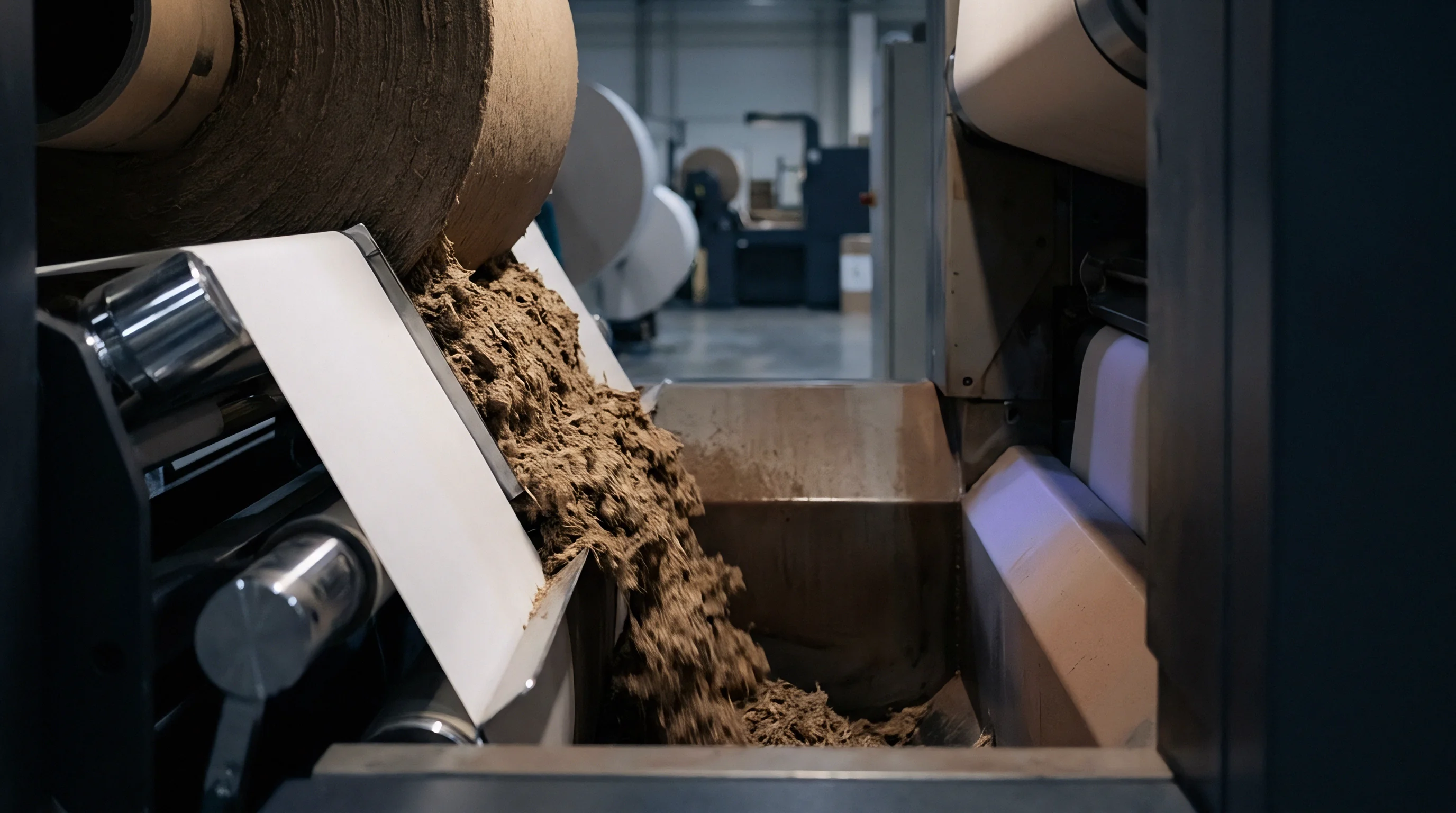
Contaminant
Recycled paperboard streams accumulate volatile and semi-volatile chemical residues through repeated mechanical re-pulping cycles. Secondary packaging furnish destined for food contact or sensitive consumer goods encounters severe regulatory barriers regarding chemical purity. Even when secondary furnish claims meet administrative mass balance requirements, chemical safety standards enforce hard analytical thresholds.
Paper furnish derived from post-consumer collection contains printing ink vehicles, mineral oils, plasticizers, per- and polyfluoroalkyl substances, and persistent adhesive stickies.
Fibre length decays over cycles. Mechanical processing shortens cellulose fibers, reducing tear resistance and bursting strength, while simultaneously concentrating low-molecular-weight chemical contaminants. In food-grade secondary packaging, mass balance accounting for fiber content does not exempt the converter from fulfilling the migration safety mandates set out in Regulation 1935/2004 or German BfR Recommendation XXXVI.
Sourcing teams specifying recycled containerboard must balance furnish claims against verified migration toxicology.
Secondary fibres degrade in freeness with each successive mechanical re-pulping pass.

Hydrocarbon Accumulation across Furnish Streams
Mineral oil saturated hydrocarbons and aromatic hydrocarbons migrate from legacy newsprint inks into secondary corrugating mediums. Testing laboratories evaluate secondary furnish using high-performance liquid chromatography coupled with flame ionization detection after solvent extraction under EN 16995 protocols. Mineral oil aromatic hydrocarbons, particularly fractions with carbon numbers between C10 and C35, exhibit genotoxic and carcinogenic properties, provoking intense market scrutiny and retailer restrictions.
| Chemical Substance Group | Primary Furnish Origin | Extraction Test Method | Observed Board Content | Recommended Limit Threshold |
|---|---|---|---|---|
| MOSH (C10 to C35) | Offset Inks and Adhesives | EN 16995 HPLC-FID | 150 to 850 mg/kg | Max 50 mg/kg |
| MOAH (C10 to C35) | Mineral Printing Inks | EN 16995 HPLC-FID | 15 to 90 mg/kg | Max 0.50 mg/kg (Detection Limit) |
| Diisobutyl Phthalate (DIBP) | Adhesive Resins | Solvent Extraction GC-MS | 2.5 to 18 mg/kg | Max 1.0 mg/kg |
| Bisphenol A (BPA) | Thermal Paper Receipts | EN 15519 HPLC-MS | 0.8 to 12 mg/kg | Max 0.1 mg/kg |
| Total Extractable PFAS | Barrier Board Treatments | CEN/TS 17653 Combustion IC | 50 to 500 ug/kg | Max 20 ug/kg |
Short fibres weaken the fluting. Beyond hydrocarbon fractions, secondary furnish carries macro-stickies and micro-stickies derived from hot-melt adhesives, tape carriers, and label adhesives. Macro-stickies retain a particle size greater than one hundred micrometers, causing screen blinding, web breaks, and visual sheet flaws.
Micro-stickies pass through slotted pressure screens, accumulating on paper machine wires and drying felts. Chemical fixatives and enzymatic treatments pacify these contaminants, but their continuous recirculation inside closed water loops creates batch-to-batch variability.

Barrier Functional Qualification
Functional coatings evaluated under EN 1186 simulant testing quantify solute transit through the board caliper. When secondary packaging lines incorporate high fractions of recovered furnish, converting operations apply functional dispersion coatings, biopolymer laminates, or activate carbon adsorption layers on the internal board plies. These barriers prevent the vapor-phase transfer of volatile mineral oils from outer recycled fluting plies to interior food goods during supply chain transit.
Laboratory evaluations expose secondary board swatches to Tenax poly 2,6-diphenyl-p-phenylene oxide at forty degrees Celsius for ten days, simulating extended ambient storage. Pass criteria require zero detectable migration of MOAH fractions down to an analytical limit of quantification of 0.15 milligrams per kilogram of food simulant. Secondary packaging furnish lacking functional barrier layers consistently fails this test regime whenever recycled content exceeds thirty percent.
The supplier stated that trace mineral oil hydrocarbons originated entirely from post-consumer collection streams beyond their chemical screening capability.


Inventory
Ledger reconciliation cycles run on monthly or quarterly schedules to balance raw recovered stock against outbound parent rolls. Auditors demand physical records. Maintaining mass balance accounts requires systematic discipline over transaction records, input booking, conversion adjustments, and product dispatches.
Converting facilities and paper mills maintain dual ledger architectures: a financial ERP module that tracks material cost and commercial invoices, alongside a dedicated chain of custody ledger that tracks certified recycled claims.
The credit ledger expires. Under FSC-STD-40-004 Section 5, paper mills cannot bank accumulated recycled credits indefinitely. Credits generated through secondary furnish inputs retain validity for a maximum rolling period of twelve months from the date of booking.
If credits remain unallocated at the conclusion of the twelve-month validity window, the accounting ledger must automatically write off the surplus balance. A mill that accumulates excessive credits during summer production slumps cannot carry that surplus across calendar boundaries to cover autumn production peaks.
Recycled containerboard shipments face mandatory customs reclassification whenever mechanical furnish documentation lacks mill-level reconciliation records.

Reconciliation Formulas and Rolling Accounts
Scheme administrators enforce twelve-month expiration windows on accumulated secondary fiber credits. Verification protocols require monthly arithmetic closures where managers calculate net credit positions. The basic operational formula balances inputs and outputs across the specific site account:
Opening Credit Balance plus Verified Inbound Secondary Furnish multiplied by Yield Factor minus Finished Board Outbound Credit Deductions minus Expired Credits equals Closing Credit Balance.
| Production Quarter | Opening Balance (Credit Tonnes) | Inbound Verified Furnish (Dry Tonnes) | Net Generated Credits (Yield 0.92) | Outbound Claim Tonnage | Closing Balance (Credit Tonnes) |
|---|---|---|---|---|---|
| Quarter 1 | 1,250 | 12,400 | 11,408 | 10,800 | 1,858 |
| Quarter 2 | 1,858 | 14,100 | 12,972 | 13,200 | 1,630 |
| Quarter 3 | 1,630 | 11,800 | 10,856 | 11,500 | 986 |
| Quarter 4 | 986 | 15,500 | 14,260 | 13,900 | 1,346 |
Converters demand certified delivery slips. Credit accounts must never run into a negative balance. If outbound orders carrying a recycled claim exceed the available credit balance on the day of shipment, the mill commits an unpardonable chain of custody breach.
In this circumstance, the facility must strip the certified claim from the shipping manifest and sales invoice, downgrading the shipment to an uncertified commercial line.

Auditing Claim Validity across Converting
Converters purchasing containerboard reels receive delivery documents carrying percentage or credit declarations. When secondary packaging plants laminate fluting and linerboard into corrugated board sheets, they track the mass contribution of each paper component. A double-wall corrugated box comprises three liners and two fluting flutes, each potentially sourced from distinct mills operating disparate mass balance systems.
Corrugating software calculations combine the grammage and individual furnish percentages of each paper layer to yield the net certified percentage of the assembled corrugated pack.
- Delivery manifest verification checks the presence of valid scheme certificate codes and unambiguous claim wording on every incoming roll delivery note.
- Public register cross-checks confirm that the supplying mill maintains an active, non-suspended certificate status in international scheme databases at the delivery date.
- Conversion trim accounting records board waste generated during slitting, die-cutting, and slotting operations to balance raw sheet intake against finished packaging output.
- Quarterly volume balancing compares total purchased certified board tonnage against finished packaged shipments, identifying unexplained mass inflations.
Claims fail without raw data. Third-party auditors conduct thorough sampling of transactional records, verifying the continuous documentary link between raw bale purchase orders, delivery weighbridge receipts, pulper batch logs, machine production logs, finished roll inventory manifests, and outbound sales invoices. FSC-STD-40-004 Clause 5.3 caps credit validity at exactly twelve months, forcing mills to forfeit unallocated secondary balances at the close of each annual audit cycle.


Border
Customs officials enforce import classifications under Chapter 48 by examining the documented furnish makeup of arriving liners and fluting. Tariffs shift with virgin content. Packaging materials moving across international frontiers encounter steep trade controls and duty rates tied directly to fiber composition.
Under Harmonized Tariff Schedule headings 4804 for unbleached kraftliner and 4805 for recycled testliner, a misdeclared furnish percentage alters customs valuation and applicable duty rates, triggering cargo detentions and forensic document examinations.
The importer pays the penalty. European Union regulations under the Packaging and Packaging Waste Regulation impose aggressive post-consumer recycled content quotas for plastic packaging, establishing an operational precedent that national authorities now extend toward paper and board formats. Concurrently, environmental marketing directives establish severe penalties for companies publishing unsubstantiated green claims.
Declaring a secondary packaging carton as containing eighty percent post-consumer furnish without verifiable mass balance records constitutes fraudulent marketing under European consumer protection legislation.

Regulatory Penalties and Packaging Rules
National market surveillance bodies penalize unsupported post-consumer declarations under unfair commercial practices legislation. Importers of record bear absolute legal liability for claims printed on packaging faces. When customs inspectors intercept a container of printed cartons carrying a prominent recycled logo, they request the complete chain of custody qualification dossier.
If the dossier reveals that the mill relied on self-declared supplier statements rather than third-party audited mass balance ledgers, border agents hold the shipment, demand tariff adjustments, and issue administrative fines.
Secondary fibres lose tensile strength. Beyond customs duties, national Extended Producer Responsibility frameworks apply modulated fee structures based on secondary packaging recyclability and recycled content. Packaging containing certified recycled furnish qualifies for substantial eco-modulation fee reductions in countries such as France, Germany, and the United Kingdom.
In contrast, packaging failing third-party furnish verification pays maximum base fees alongside punitive malus penalties, directly impacting wholesale margins.

Do Reconciled Mass Allocations Survive Regulatory Scrutiny?
Enforcement agencies increasingly demand physical isotope analysis or strict batch custody when environmental claims justify lower tax brackets. Pure administrative mass balance credit allocation faces growing legislative skepticism under newly drafted green claims verification rules. While scheme certificates from FSC and PEFC satisfy voluntary corporate sustainability reporting, statutory border tax schemes require direct physical correlation between the raw material input batch and the specific finished packaging export lot.
Customs inspects incoming shipping documents. European customs bodies frequently consult the Technical Association of the Pulp and Paper Industry or equivalent national testing bodies to conduct fiber composition analyses on contested shipments. When microscopic examination reveals virgin softwood kraft fibers in a consignment declared as one hundred percent secondary testliner to evade anti-dumping duties, authorities initiate criminal tax evasion proceedings against the buyer of record.
Paper furnish declarations stand only as firm as the inbound weighbridge records supporting them.


Contract
Sourcing agreements transfer furnishing liabilities directly between the packaging converter and the brand owner. Commercial procurement contracts govern secondary packaging specifications by establishing technical, legal, and documentary obligations for furnish integrity. A brand owner issuing requests for proposals for secondary corrugated boxes cannot rely solely on generic statements of compliance.
Purchasing contracts must incorporate explicit schedule terms that define raw material grades, mass balance accounting methods, audit access rights, and indemnification thresholds.
Paper mills run mixed streams. Corporate buyers purchase secondary packaging through master service agreements that mandate compliance with specific international chain of custody frameworks. A sound furnish procurement specification dictates that the converting vendor and all intermediate board suppliers maintain active chain of custody certifications throughout the entire contract lifecycle.
The agreement must establish that any lapse, suspension, or formal withdrawal of the supplier certificate constitutes a material breach, granting the buyer immediate contract termination rights without penalty.

Furnish Warranty Language
Purchase agreements specify exact EN 643 categories, certified credit percentages, and third-party audit rights. Commercial terms require packaging vendors to supply batch-specific certificates of analysis and furnish verification statements alongside each finished consignment. These documents must identify the precise converting site, the unique production run number, the percentage of secondary furnish incorporated, and the applicable certification system employed, whether percentage or credit allocation.
Auditors demand physical records. Strong commercial terms include right-to-audit provisions allowing the buyer or designated independent third-party assessors to inspect the converter’s mass balance accounts, weighbridge records, and supplier invoices upon reasonable prior notice. If an audit uncovers credit overdrafts or unsupported recycled content declarations, the contract triggers automatic clawback mechanisms for all eco-modulation discounts and sustainability incentives credited during the affected production period.

Remediation Protocols for Furnish Defaults
Commercial damages trigger when delivered packaging fails third-party furnish audits or post-consumer content quotas. When a brand owner faces retailer delisting, regulatory fines, or packaging redesign expenses caused by an unsubstantiated secondary furnish claim, the sourcing contract establishes legal indemnification. The packaging supplier becomes directly liable for all defense costs, border customs penalties, repackaging expenses, and brand remediation campaigns stemming from non-compliant furnish documentation.
Rigorous vendor qualification requires converters to deposit verified yield factor documentation and certified scheme audit summaries into a shared compliance archive before releasing commercial production batches. Sourcing teams that institutionalize this level of contractual discipline protect company operations from trade friction, customs holds, and public greenwashing liabilities. The buyer retains the right to audit mill mass balance ledgers upon five working days of written notice.