Surface Dyne Decay Dynamics in Polyolefin Film Converting
Polyolefin surface energy decays via hydrophobic recovery and additive blooming, requiring controlled storage or inline bump treatment to maintain conversion dyne levels.

Polarity
Unmodified polyolefin film resins exhibit chemically inert surface structures with total surface free energy values resting between 29 and 31 millinewtons per meter. Biaxially oriented polypropylene, cast polypropylene, low-density polyethylene, and linear low-density polyethylene consist of long-chain non-polar hydrocarbon backbones lacking active chemical sites. Liquids applied to untreated polyolefin film roll off without spreading because the surface energy of the polymer falls far below the surface tension of commercial inks, primers, and adhesives.
Liquid wetting requires the surface energy of the solid substrate to exceed the surface tension of the applied liquid by at least two to ten millinewtons per meter. Industrial converting lines achieve this surface energy differential through controlled oxidation of the film surface.
Dielectric Oxidation Mechanics
Passing flexible packaging webs through a high-frequency alternating current field breaks non-polar carbon-hydrogen bonds along polymer backbones. Corona treatment systems apply high voltage across an air gap between a powered electrode and a grounded ceramic-coated roll. At operating frequencies between 10 and 30 kilohertz and potentials reaching 10 to 15 kilovolts, ambient air ionizes into a cold plasma containing free electrons, ozone, atomic oxygen, and high-energy ultraviolet photons.
Bombardment of the polyolefin surface by these reactive species cleaves primary carbon-hydrogen bonds, creating free radicals along the polymer chain. These radicals react rapidly with oxygen species to form polar functional groups, primarily hydroxyl, carbonyl, carboxyl, and hydroperoxide moieties. Ozone gas escapes through exhausts.
The introduction of polar functional groups alters the thermodynamic state of the film surface. Unmodified polyolefins present a surface energy comprised almost entirely of dispersive forces derived from van der Waals interactions. Corona discharge introduces polar forces resulting from dipole-dipole and hydrogen bonding interactions.
Elevating the polar component of surface energy increases total surface energy from baseline values up to 44 to 54 millinewtons per meter depending on energy density, web speed, electrode gap, and atmospheric composition.
Dielectric discharge at 15 kilowatt-minutes per square meter elevates low-density polyethylene surface energy from 31 to 44 millinewtons per meter under dry laboratory atmospheric conditions.
Flame treatment provides an alternative surface oxidation path for heavy-gauge polyolefins and high-speed converting lines. Combustion of air-gas mixtures at stoichiometric ratios produces an ionized flame front rich in hydroxyl radicals. Passing the polyolefin web over a chilled backing roll through the flame tip oxidizes the surface within milliseconds without thermal distortion of the bulk film.
Flame-treated polyolefins exhibit higher thermal stability of polar groups compared to corona-treated films. Web speed adjustments match energy density to the specific chemical composition of the substrate.
| Polyolefin Substrate | Untreated Total Energy (mN/m) | Post-Treatment Energy (mN/m) | Dispersive Component (mN/m) | Polar Component (mN/m) |
|---|---|---|---|---|
| Biaxially Oriented Polypropylene (BOPP) | 30.2 | 42.5 | 29.8 | 12.7 |
| Cast Polypropylene (CPP) | 29.5 | 40.0 | 29.1 | 10.9 |
| Low-Density Polyethylene (LDPE) | 31.0 | 44.0 | 30.5 | 13.5 |
| Linear Low-Density Polyethylene (LLDPE) | 31.2 | 46.0 | 30.8 | 15.2 |

Mobility
Thermodynamic equilibrium drives treated polyolefin surfaces to minimize surface free energy through internal structural reorganization. High-energy oxidized surfaces created by dielectric barrier discharge represent non-equilibrium thermodynamic states. Given sufficient molecular chain mobility, the polymer matrix self-reorganizes to bury polar functional groups below the surface.
This physical loss of surface polar groups over time represents the core mechanism of hydrophobic recovery in converted films.
Macromolecular Reorientation Dynamics
Polar functional groups generated during dielectric discharge rotate away from the film-air interface into the hydrophobic bulk material. Polyolefin chains within amorphous regions retain significant conformational flexibility at temperatures above their glass transition points. Polyethylene features a glass transition temperature near minus 120 degrees Celsius, allowing rapid polymer segment rotation at ambient warehouse storage temperatures.
Polypropylene possesses a glass transition temperature near 0 degrees Celsius, exhibiting slightly slower yet significant macromolecular movement at ambient conditions. Chain rotation buries hydroxyl and carboxyl groups beneath non-polar aliphatic segments, reducing the measurable polar surface energy component.
Low molecular weight oxidized material forms on the web surface during aggressive corona discharge treatment. High electrical energy density cleaves main-chain carbon-carbon bonds alongside carbon-hydrogen bonds. This chain scission generates short oligomeric fragments containing high concentrations of polar oxidation products.
These low-molecular-weight species remain soluble within ambient moisture and migrate rapidly across the surface, agglomerating into microscopic droplets or dissolving into applied liquid coatings. Dissolution of weak boundary layers during wet coating application results in poor ink adhesion despite initially high dyne readings.
Additive Exudation and Surface Segregation
Internal lubricants incorporated into film formulations diffuse toward external boundaries over time. Polyolefin film resin formulations contain slip agents such as erucamide or oleamide to lower the coefficient of friction for extrusion handling and packaging machine passage. Anti-block agents like synthetic silica or calcium carbonate prevent roll blocking under winding tension.
Slip additive molecules contain hydrophobic long aliphatic chains paired with polar amide head groups. Amide molecules migrate rapidly.
- Macromolecular Chain Rotation Hydrophilic moieties flip inward into the polymer bulk to minimize system free energy.
- Low Molecular Weight Species Migration Soluble short-chain oxidized fragments accumulate at outer boundaries, forming weak interfacial layers.
- Fatty Acid Amide Blooming Erucamide and oleamide molecules diffuse outward, crystallizing into an amorphous mask over functionalized polar sites.
- Particulate Anti-Block Masking Surface-projecting inorganic particles distort liquid wetting contact angles during dyne testing.
Exuded slip additives form a continuous monomolecular or multimolecular film across the oxidized polyolefin surface. As fatty acid amides bloom, the polar amide heads interact with surface hydroxyl and carboxyl groups, while non-polar hydrocarbon tails project outward into the atmosphere. This molecular orientation effectively covers the high-energy oxidized sites with a low-energy paraffin-like layer.
Dyne decay dynamics in additive-containing films occur through a combined mechanism of internal polar group overturn and additive layer buildup. Resin suppliers frequently claim that dyne decay stays within nominal limits when film rolls remain in ambient storage below twenty-five degrees Celsius.
Higher storage temperatures accelerate slip additive blooming and shorten the converting window for treated polyolefin webs.
Vault
Warehouse environmental conditions directly determine the shelf life of functionalized polyolefin rolls awaiting secondary printing or lamination passes. Storage temperature, ambient relative humidity, roll winding tension, and storage duration operate as interconnected variables governing surface energy decay rates. Film rolls held in unconditioned storage facilities experience rapid drop-offs in surface tension compared to climate-controlled inventory.

Environmental Conditioning and Thermal Acceleration
Storage temperature controls the rate at me polymer chains regain structural equilibrium. Higher thermal energy accelerates segment movement and increases the diffusion coefficient of internal additives migrating to the surface. BOPP film stored at 15 degrees Celsius retains operational surface energy above 38 millinewtons per meter for up to 90 days.
The same film batch stored at 45 degrees Celsius decays below operational wetting thresholds within 7 days due to accelerated additive diffusion and chain relaxation. Dyne levels drop during storage.
| Storage Temperature (°C) | Initial Energy (mN/m) | Retention at 7 Days (mN/m) | Retention at 30 Days (mN/m) | Retention at 90 Days (mN/m) |
|---|---|---|---|---|
| 15 | 42.0 | 41.0 | 39.5 | 38.0 |
| 25 | 42.0 | 39.5 | 37.0 | 35.5 |
| 35 | 42.0 | 37.0 | 34.5 | 33.0 |
| 45 | 42.0 | 34.5 | 32.0 | 30.5 |
When Does Storage Temperature Speed Hydrophobic Reorientation?
Thermal energy above twenty degrees Celsius provides activation energy to amorphous polymer segments. Polyolefin rolls stored near radiant heaters, summer warehouse roofs, or hot transport containers experience accelerated hydrophobic decay curves. Increased kinetic energy permits rapid inversion of surface hydroperoxide and carbonyl groups into the sub-surface matrix.
High relative humidity further exacerbates surface decay. Water vapor molecules absorb onto polar sites, plasticizing surface polymer layers and swelling amorphous regions, which lowers the localized glass transition temperature and accelerates chain rotation.
- Log baseline surface energy within two hours of roll extrusion or corona treatment.
- Store film rolls on suspended axles in climate-controlled zones below twenty-two degrees Celsius.
- Record ambient relative humidity daily to prevent moisture condensation on roll faces.
- Core sample outer layer wrapped film prior to mounting on converting unwind stands.
- Reject web lots showing surface energy loss exceeding four millinewtons per meter before converting passes.
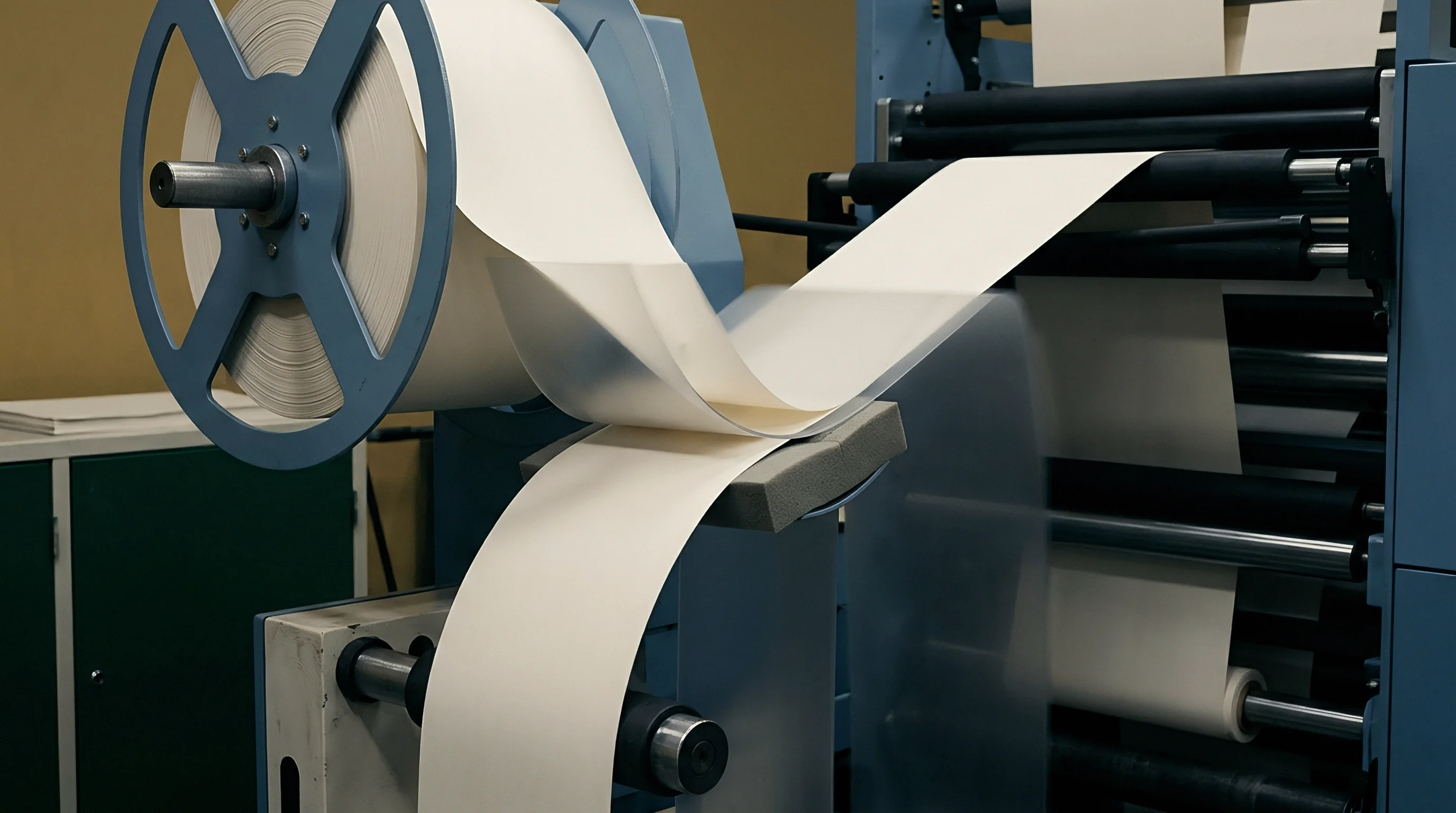
Winding tension establishes inter-layer pressure within jumbo film rolls. High inter-layer contact pressure promotes physical transfer of slip additives from the untreated reverse side of the film to the treated front side during storage. Reverse-side transfer, known as back-transfer, corrupts the oxidized surface even in film formulations containing low front-side slip concentrations.
Tightly wound film rolls retain surface treatment along core layers longer than loose outer wraps exposed to ambient atmosphere.
Bench
Accurate surface energy measurement on converting floors relies on standardized chemical test solutions and optical contact angle measurement systems. Quality assurance teams use surface tension metrics to approve substrate lots for flexographic printing, rotogravure printing, solventless lamination, and extrusion coating. Inconsistent testing procedures introduce significant risk of misinterpreting film printability.

Surface Tension Assessment Methods
Formulated mixtures of formamide and 2-ethoxyethanol provide rapid indication of wet strength. Standard dyne solutions mixed in accordance with ASTM D2578 span surface tension values from 30 to 60 millinewtons per meter in two-dyne increments. The operator draws a clean cotton applicator wetted with test solution across the polyolefin film surface.
If the liquid film remains continuous for exactly two seconds without beading or retractions, the surface energy of the substrate equals or exceeds the liquid solution rating. Liquid film breaking into droplets in less than two seconds indicates lower substrate surface energy. Oxidized fragments dissolve in test fluids.
ASTM D2578 defines the standard test method for determining wetting tension of polyethylene and polypropylene films using mixtures of formamide and ethyl cellosolve.
Dyne pen applicators offer rapid shop-floor convenience but introduce measurement errors. Repeated contact between spring-loaded marker nibs and film surfaces transfers slip additives and oils into the chemical reservoir, contaminating the reagent. Contaminated test fluids produce false low dyne readings, causing operators to needlessly boost treater power and burn the film.
Cotton swab application with fresh liquid drawn from sealed glass bottles prevents reagent contamination. Water droplets measure polar forces.
Contact Angle Analysis and Polar Dispersive Splitting
Goniometry measures sessile drop profiles to determine solid free energy components according to published thermodynamic equations. Optical contact angle meters place micro-liter droplets of pure probe liquids onto the polyolefin surface. Measuring the contact angle of deionized water (a highly polar liquid) and diiodomethane (a purely dispersive liquid) allows calculation of solid surface energy via the Owens-Wendt-Rabel-Kaelble framework.
- Fluid Expiration Tracking Chemical dyne mixtures decompose after ninety days of opening and yield false positive readings.
- Cotton Swab Technique Excess fluid application creates liquid bead edges that obscure true wetting boundaries.
- Atmospheric Conditioning Control ISO 187 standard atmosphere dictates twenty-three degrees Celsius and fifty percent relative humidity during measurement.
- Substrate Temperature Verification Cold film webs draw heat from test fluids and artificially raise apparent contact angles.
Unwind rolls require surface verification. Interpreting contact angle data requires separating total surface energy into polar and dispersive components. Polyolefin webs showing total surface energy of 40 millinewtons per meter may still fail lamination bond tests if the polar component falls below 8 millinewtons per meter.
Water contact angles exceeding 85 degrees signal insufficient surface polarity for water-borne inks. Misinterpreting dyne pen bead breakup leads to immediate lamination bond failure and costly scrap generation across high-speed converting runs.
Exposure
Inadequate surface wetting converts high-speed printing and lamination passes into immediate commercial liabilities. Ink flaking destroys print clarity. When polyolefin surface energy drops below ink surface tension, liquid ink fails to spread evenly, forming pinholes, crawling defects, and poor dot gain.
After drying or radiation curing, mechanical ink adhesion fails cross-hatch tape test audits, resulting in total rejection of printed packaging rolls.
Converting Line Adhesion Failures
Solventless polyurethane laminating adhesives require minimum target surface energies of forty millinewtons per meter to prevent delamination. Solventless adhesives exhibit higher initial viscosities than solvent-borne systems, limiting their ability to mechanically key into micro-rough film surfaces. If dyne decay reduces film surface energy below 38 millinewtons per meter prior to lamination, primary bond strength drops below 0.5 Newtons per 15 millimeters.
Low peel strength causes package pouch seals to delaminate during thermal sealing cycles or drop tests.
Consider an inline converting process running a 1.2-meter-wide LLDPE film web at 300 meters per minute. The web area processed equals 360 square meters per minute. Restoring aged film from 34 millinewtons per meter back to 42 millinewtons per meter requires a dielectric energy density of 25 watt-minutes per square meter.
Operating an inline corona treater to deliver this dose requires calculating total electrical discharge power:
Required Power (kW) = / 1000
Required Power = / 1000 = 9.0 kW
At an industrial electricity rate of $0.15 per kilowatt-hour, running a 9.0 kW inline treater adds $1.35 per operating hour. Converting a 100,000 square meter film lot requires 277.7 minutes (4.63 hours) of press runtime, incurring $6.25 in direct electrical power cost. Bump treaters restore surface energy.
Inline Corona Treaters and Economic Tradeoffs
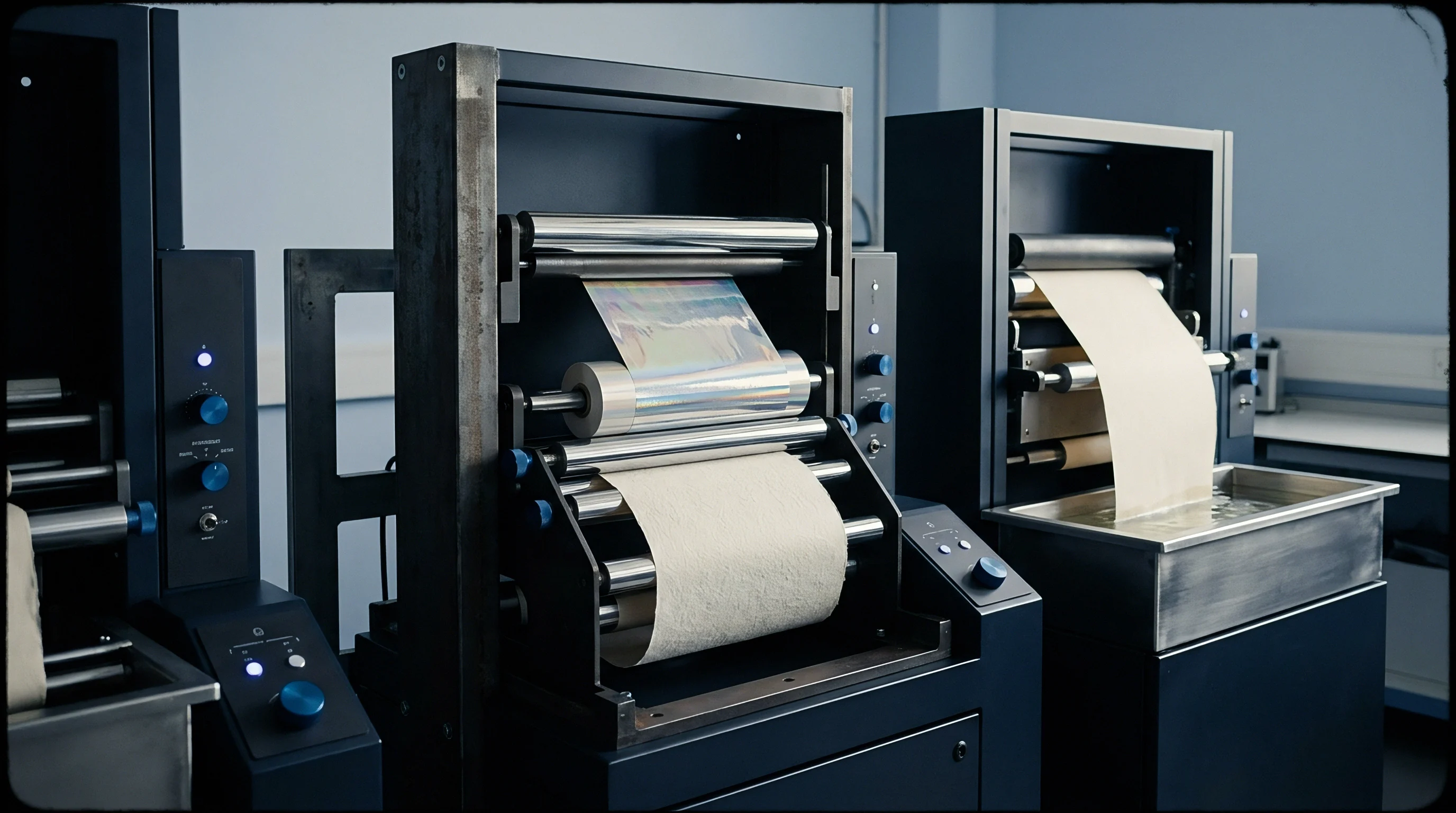
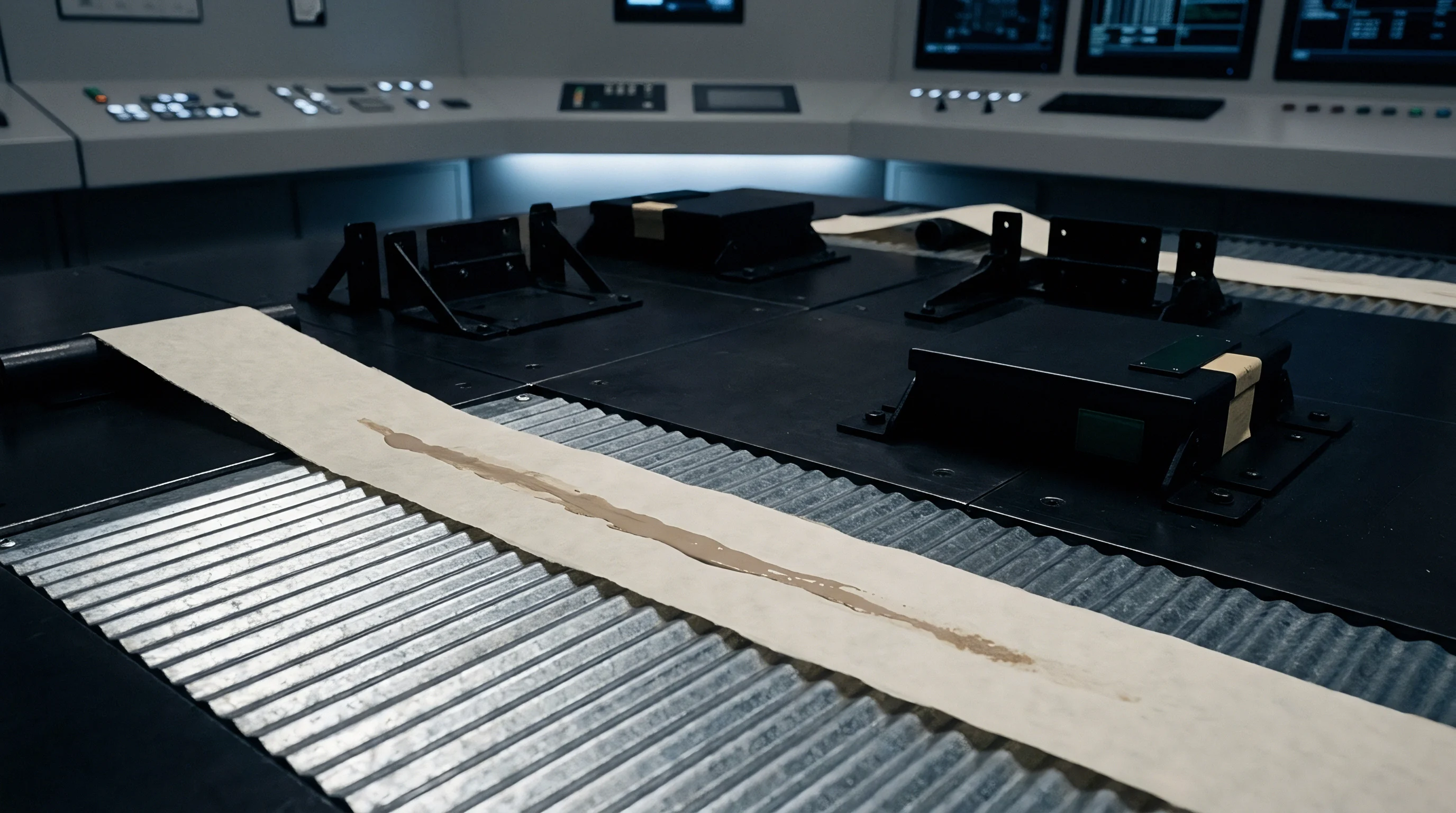
Installing dielectric bump treaters on converting presses eliminates reliance on aged mill-treated film inventory. Inline bump treatment applies a low-dose corona discharge immediately before ink or adhesive application stations. Bump treatment re-oxidizes film surfaces, destroys migrated slip additive layers, and elevates surface tension back to baseline targets without thermal stress.
Retaining inline treaters on flexographic presses and laminators protects converting plants from dyne decay losses.
| Operational Factor | Mill-Treated Film (Aged) | Inline Corona Bump Treatment |
|---|---|---|
| Substrate Unit Cost (/m²) | 0.140 | 0.135 |
| Electrical Power Consumption (kWh) | 0 | 18.0 |
| Inline Treater Amortization (/run) | 0 | 45.00 |
| Lamination Failure Risk (%) | 8.5 | 0.2 |
| Scrap Cost Allowance () | 1,190.00 | 28.00 |
| Net Landed Run Cost () | 15,190.00 | 13,573.00 |
Buying untreated base film at a lower price per square meter and applying full inline corona treatment during printing saves raw material expenditure while ensuring maximum surface energy freshness. Untreated film resins maintain indefinite storage stability without surface decay degradation. Material purchasing agreements specify minimum delivered dyne levels, maximum allowable decay rates over 30 days, and maximum slip additive concentration limits.
Inline corona bump treatment converts un-treated or decayed polyolefin web stock into prime printable substrate at a fraction of scrap replacement costs.
Standard packaging purchase contracts incorporate strict incoming surface energy minimum clauses that assign full financial indemnity to film suppliers for delamination losses caused by off-spec dyne decay.