Multicomponent Surfactant Migration Kinetics during Dynamic Contact Line Wetting
Dynamic surface tension at ten milliseconds dictates high-speed coating wetting stability and prevents air entrainment on porous board.


Web
Liquid application to a rapidly advancing paper surface introduces extreme hydrodynamic forces near the three-phase junction. As continuous liquid film contacts raw stock, moving gas layer boundary lines clash against fluid boundaries at line velocities exceeding 400 metres per minute. Localized fluid motion determines whether the application remains uniform or fractures into micro-air pockets.
When applying aqueous suspensions onto unbleached kraft or folding boxboard, liquid molecules must instantly reorganize at the solid boundary. High web speeds generate elevated shear rates exceeding 100,000 reciprocal seconds within the narrow nip region. In this extreme physical environment, static surface tension values yield virtually zero predictive power regarding actual fluid coverage.
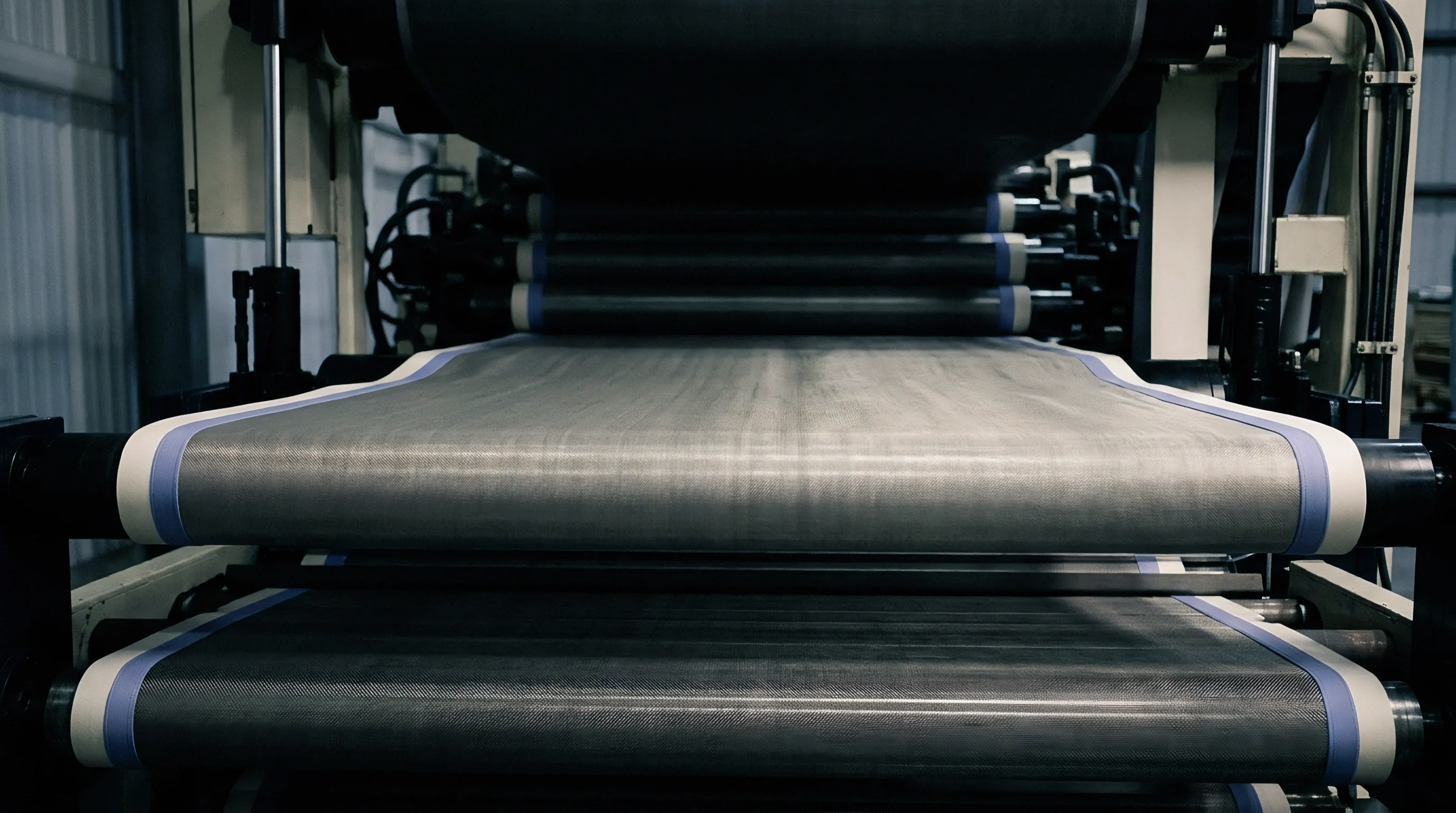
Hydrodynamic Forces and Dynamic Wetting Lines
Movement of the continuous paper roll pulls an air boundary layer directly into the converging fluid wedge. Dynamic contact angle values shift away from static equilibrium measurements as line velocity increases. Capillary numbers rise above critical thresholds, driving the microscopic contact line backward toward the drying zone.
Gas displacement failure occurs when viscous drag forces overcome surface capillary pressure forces along the wet sheet. Fluid accumulation at the curtain edge produces wave instabilities, generating distinct caliper variations across the transverse web direction. Air entrainment halts coating.

Air Entrainment Limits in High Speed Coating
Boundary layer gas entrainment sets the absolute speed ceiling for curtain and roll applicators operating over raw paper surfaces. Dynamic contact line instability manifests when the advancing contact angle approaches 180 degrees at high web speeds. At this boundary, atmospheric air becomes trapped beneath the liquid layer, forming microscopic pinholes and un-coated patches across the board surface.
Fast-acting surfactant additives lower instantaneous dynamic surface tension, stabilizing the contact line position against high-speed fluid shear. Slow-migrating molecular species fail to reach the newly expanded liquid surface within the 5 to 10 millisecond window available during application. Unstable wetting lines cause catastrophic coat-weight variation and local dewetting failures, forcing convertors to trim machine line speeds by up to 25 percent to recover visual boundary uniformity.
Equilibrium
Thermodynamic resting states rarely occur during high-speed converting processes. Standard tensiometric techniques like Wilhemy plate or Du Noüy ring methods measure static surface tension after molecular migration completes over minutes. Coating operations demand interfacial tension measurements under millisecond timeframes corresponding to actual press residence times.
Dynamic surface tension decay curves reveal how rapidly surface-active molecules assemble at newly generated liquid-gas interfaces. Formulations showing identical static surface tension values of 30 millinewtons per metre frequently exhibit dynamic values differing by more than 20 millinewtons per metre at a 5-millisecond surface age.
Dynamic Surface Tension Measurement Methods
Maximum bubble pressure tensiometry according to ASTM D3806 provides accurate surface tension profiles at surface ages ranging from 1 to 1,000 milliseconds. High bubble frequencies simulate the rapid surface creation occurring at the curtain applicator or flexographic ink fountain. Oscillating jet method and expanding drop tensiometry provide complementary verification data for non-linear surfactant mixtures.
Test conditioning requires strict climate control at 23 degrees Celsius and 50 percent relative humidity under ISO 187 guidelines to prevent temperature-induced viscosity drift during bubble formation. Target surface tension drops.
| Surfactant Chemistry | Concentration (wt%) | Static ST (mN/m) | Dynamic ST at 10 ms (mN/m) | Dynamic ST at 100 ms (mN/m) |
|---|---|---|---|---|
| Ethoxylated Acetylenic Diol | 0.35 | 31.2 | 36.5 | 32.8 |
| Sodium Dioctyl Sulfosuccinate (DOSS) | 0.25 | 27.4 | 44.1 | 31.0 |
| Alkyl Phenol Ethoxylate (9 EO) | 0.40 | 33.8 | 52.4 | 38.2 |
| Fluorinated Polyether Blend | 0.10 | 19.5 | 48.0 | 26.3 |

Micellar Dissociation and Diffusion Time Scales
Aqueous solutions containing surfactant concentrations well above the critical micelle concentration rely on micellar breakdown to replenish monomeric molecules. Bulk diffusion transport follows Ward-Tordai kinetic models during initial surface creation events. Diffusional flux limits interfacial coverage.
High molecular weight nonionic surfactants exhibit slow diffusion coefficients around 10 to the power of minus 10 square metres per second, delaying interfacial adsorption. Conversely, compact anionic molecules such as sodium dioctyl sulfosuccinate display rapid diffusion rates, yet suffer from electrostatic repulsion barriers near saturated interfaces. Multicomponent formulations combine fast-diffusing small molecules to instantly reduce tension at the moving contact line with slower, highly surface-active molecules to ensure long-term film stability.
Micro-bubbles ruin coating opacity.
Surfactant molecules with high bulk mobility lower instantaneous tension within 10 milliseconds, preventing dynamic contact line instability at web speeds exceeding 500 metres per minute.
How the precise ratio of micellar breakdown kinetics to monomeric diffusion changes under extreme fluid shear rates of 100,000 reciprocal seconds remains a fundamental open question in coating fluid mechanics.

Transport
Convective mass movement within the liquid meniscus interacts strongly with surface molecular concentration gradients. As the dynamic contact line advances over raw paperboard, rapid surface expansion depletes surfactant concentration at the leading tip of the liquid wedge. This localized depletion generates localized surface tension gradients along the fluid interface.
Solutal Marangoni stresses draw liquid toward areas of higher surface tension, opposing the forward spreading motion of the bulk coating liquid. Hydrodynamic stability depends directly on the speed at which surfactant species migrate to heal these surface tension gradients.

Solutal Marangoni Stresses along Moving Menisci
Gradient-driven surface flows alter velocity profiles within the viscous boundary layer near the three-phase line. High dynamic surface tension at the advancing tip creates a retarding force that increases the apparent dynamic contact angle. If Marangoni stresses grow excessively large, the trailing fluid meniscus experiences periodic oscillations, leading to ribbing defects or transverse streak patterns in the applied wet film layer.
Fast molecules lower surface tension. Adding low-molecular-weight alcohol co-solvents modifies Marangoni stress magnitude by altering bulk solubility and acceleration rates of the primary surfactant species.

Competitive Adsorption at Newly Created Interfaces
Binary surfactant blends containing components with differing tail-length hydrophobicities show distinct preferential adsorption phases during dynamic wetting events. Small, highly soluble molecules dominate the interface during the first 5 milliseconds following surface generation due to their rapid transport through the hydrodynamic boundary layer. Slower, hydrophobic species gradually displace the initial surfactant layer over hundreds of milliseconds as lower chemical potential states take effect.
In high-speed application lines, the fluid interface permanently operates under non-equilibrium conditions where only the fast-migrating species influence contact line dynamics. Sizing prevents rapid carrier loss.
Under TAPPI T 410 and ISO 536 testing standards, un-uniform liquid absorption caused by localized surface tension variations alters calculated dry coat weight by up to 1.8 grams per square metre.
Formulations incorporating balanced fast-diffusing anionic species alongside high-efficiency nonionic surfactants maintain stable dynamic contact angles regardless of minor web speed fluctuations.


Rheology
Viscous forces competing against interfacial energy forces govern dynamic contact line behaviour under high capillary numbers. The dynamic contact angle increases continuously with web speed following empirical Hoffman-Voinov-Tanner relationship scales. At elevated speeds, high fluid viscosity amplifies viscous dissipation near the solid contact line, forcing the contact angle toward 180 degrees.
Polymer binders such as carboxymethyl cellulose or polyvinyl alcohol in the coating formulation increase bulk low-shear viscosity, compounding the hydrodynamic resistance to wetting. Viscous forces resist wetting.
Dynamic Contact Angle Expansion at High Capillary Numbers
Capillary numbers calculated as fluid dynamic viscosity multiplied by web velocity divided by dynamic surface tension dictate the boundary between smooth spreading and liquid dewetting failure. When the capillary number exceeds a critical threshold around 0.15 to 0.30 depending on substrate surface roughness, air invasion occurs beneath the fluid layer. Dynamic surface tension reduction effectively lowers the operating capillary number, widening the stable process window for high-speed applicators.
Blade pressure stabilizes line position.
| Capillary Number (Ca) | Surfactant Migration Time (ms) | Dynamic Contact Angle (deg) | Observed Interfacial Defect State |
|---|---|---|---|
| 0.05 | 5 | 42 | Stable uniform film coverage |
| 0.12 | 12 | 68 | Stable film with slight micro-ribbing |
| 0.22 | 35 | 112 | Intermittent air entrainment and pinholes |
| 0.35 | 80 | 165 | Severe dewetting and line breakage |
Shear Viscosity and Surface Elasticity Interaction
Surface dilational elasticity measures the dynamic resistance of an interface to sudden area expansion during dynamic wetting. High surface elasticity dampens capillary waves along the advancing liquid meniscus, preventing localized meniscus rupture. Non-ionic ethoxylated surfactants provide high surface elasticity values, whereas small anionic molecules yield low dilational elasticity due to rapid desorption kinetics.
Optimal coating formulations balance bulk shear-thinning behavior under ISO 2431 viscosity cup testing with sufficient surface dilational modulus to survive line vibrations. Dynamic contact angle hysteresis dictates stability.
Maximum bubble pressure tensiometers operating at 100 Hz frequency deliver dynamic surface tension values matching actual curtain coater residence times.
Chemical suppliers often claim that increasing total surfactant concentration automatically eliminates high-speed wetting defects, omitting the reality that excessive surfactant loadings trigger severe foaming in wet-end recycling loops and degrade dry ink adhesion strength.

Substrate
Paper substrates present complex porous geometries lined with cellulose fibers, hydrophobic sizing agents, and inorganic mineral fillers like calcium carbonate or kaolin clay. When liquid coating touches raw paperboard, capillary pressure draws fluid vehicle into the porous sheet matrix following Lucas-Washburn absorption principles. This rapid absorption removes water and unadsorbed surfactant molecules from the moving liquid boundary wedge.
Liquid depletion at the dynamic contact line increases local binder concentration, dramatically elevating local fluid viscosity within milliseconds of contact. Surfactant depletion shifts dynamic response.
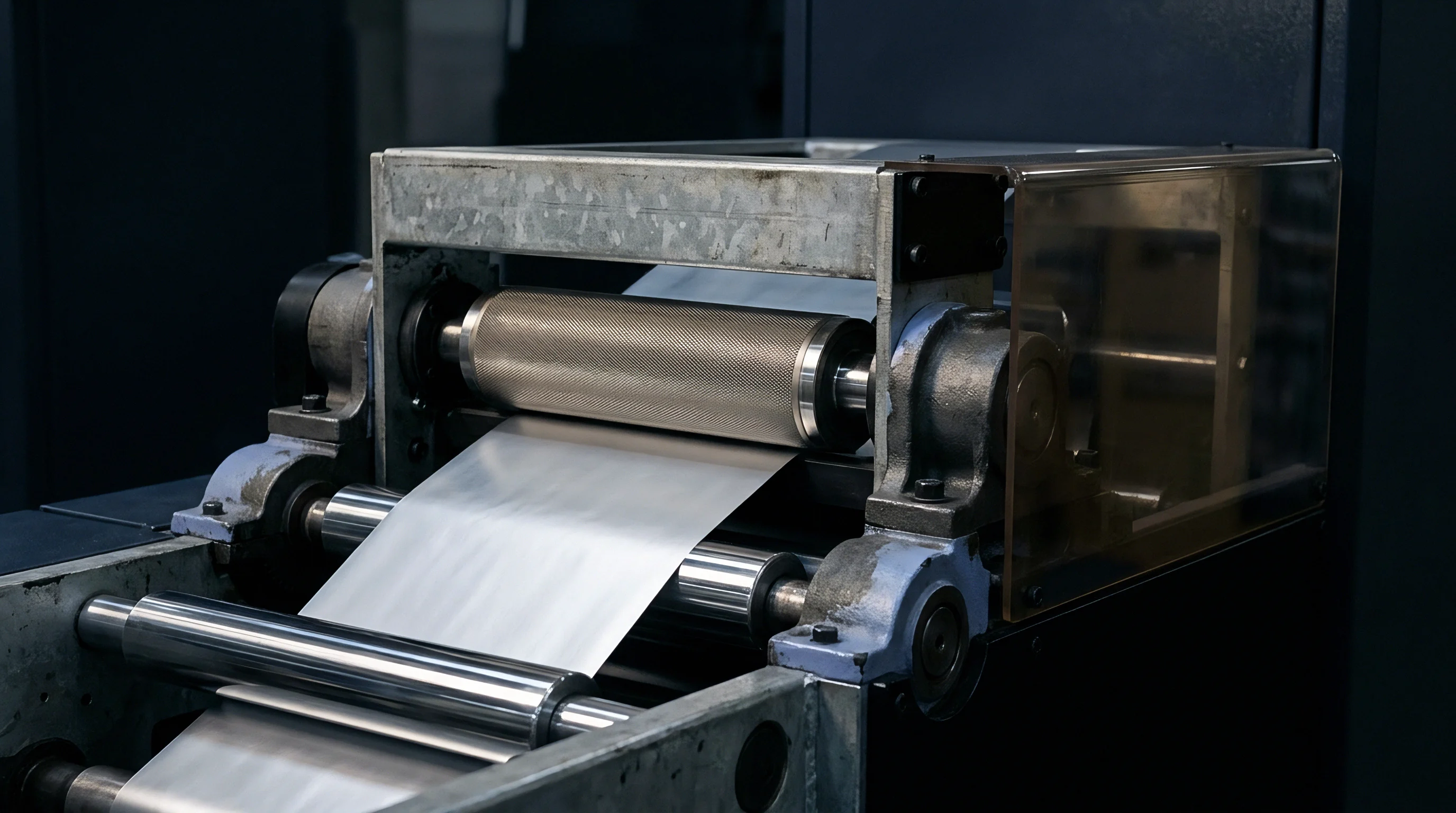
Capillary Absorption versus Interfacial Migration Rate
Capillary absorption rates evaluated using Bristow wheel apparatus under ASTM D5455 confirm that liquid uptake occurs concurrently with dynamic contact line movement. If pore absorption speeds exceed the lateral diffusion speed of surfactant molecules, the liquid wedge loses its surface-active additives to the interior pore walls. The remaining bulk fluid at the dynamic contact line reverts to high dynamic surface tension values, raising the dynamic contact angle and initiating air entrainment.
Cobb sizing values determined under ISO 535 reflect overall water resistance, yet fail to predict short-time capillary liquid uptake occurring under 50 milliseconds. Microscopic pore variance shifts absorption pathways.
Porous Substrate Depletion Mechanics
Assume a 300 gram per square metre folding boxboard line running at 400 metres per minute with a contact applicator zone length of 10 millimetres. Liquid residence time in the application zone equals exactly 1.5 milliseconds. During this brief window, initial liquid vehicle absorption into the top layer of recycled fibers removes up to 1.2 grams per square metre of water containing dissolved surfactant.
A worked calculation demonstrates that if bulk surfactant concentration sits at 0.2 weight percent, the absorbed volume extracts 2.4 milligrams of surfactant per square metre, depleting the local boundary layer by over 40 percent. This selective removal shifts the dynamic contact angle upwards from 45 degrees to 85 degrees, severely compromising wetting uniformity unless replenished by rapid micellar breakdown within the bulk liquid layer. Shear thinning alters flow profile.
High absorption speed depletes surfactant concentration at the advancing contact line, increasing apparent dynamic contact angle and triggering line instability.
Standard purchase specifications governing raw packaging board specify maximum Cobb 60-second water absorption limits under ISO 535, but when short-time liquid penetration measured at 20 milliseconds exceeds 3.5 grams per square metre, the buyer retains full right of rejection due to dynamic coatability failure.

Sieve
Implementing quality control procedures for multi-component surfactant additions requires systematic laboratory screening paired with continuous online monitoring. Testing raw materials solely by static surface tension or bulk chemical purity fails to detect kinetic deficiencies that cause converting failures. Formulations must undergo dynamic characterization across surface ages from 5 milliseconds to 1 second to establish dynamic performance curves.
Automated vision systems installed directly on coating lines detect micro-dewetting spots and streak defects before defective reels reach the finishing rewinder. Yield losses compound quickly.
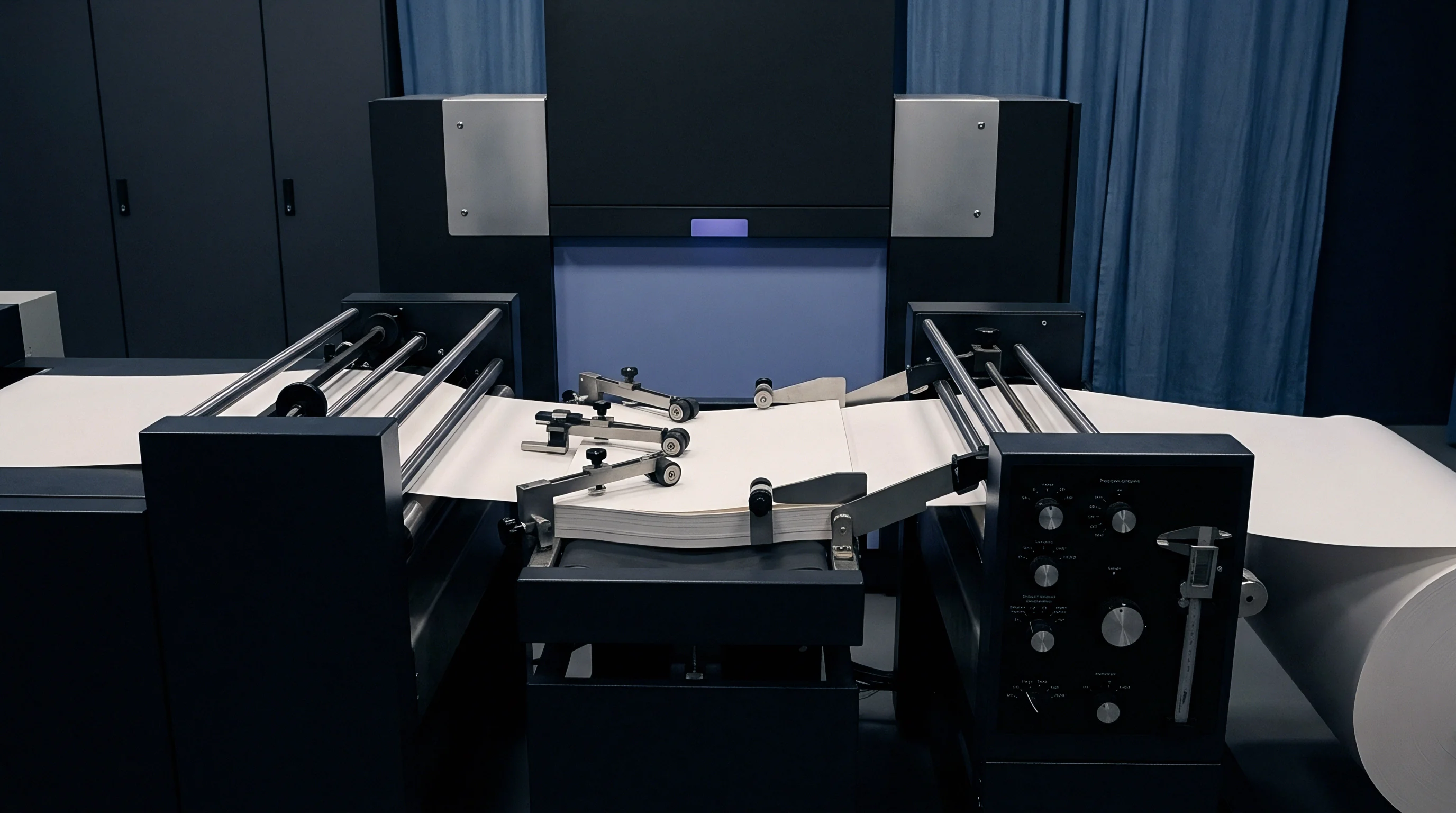
Quality Assurance Protocols for Surfactant Packages
Verifying surfactant suitability involves measuring dynamic surface tension, dynamic contact angle on target paper substrates, and foam generation potential under high shear. Laboratory evaluation begins with bubble pressure tensiometry across a temperature range of 20 to 50 degrees Celsius to map operational windows. Formulations showing rapid dynamic surface tension decay without generating stable surface foam under high-speed laboratory mixing pass to pilot coating trials.
Standardized laboratory testing prevents expensive waste during full-scale manufacturing runs. Measurement requires strict conditioning.
What Determines Dynamic Wetting Headroom on Coated Board?
- Interfacial Dynamic Tension Drift occurs when surfactant diffusion rates lag behind rapid surface area creation at high machine operating speeds.
- Selective Substrate Pore Depletion results from rapid capillary absorption of surfactant monomers into top-layer paper fibers.
- Marangoni Stress Instabilities develop when non-uniform surface tension gradients cause periodic fluid meniscus retraction across the web.
- High Capillary Number Dewetting manifests when viscous drag forces overpower capillary spreading forces at the dynamic contact line.
Qualifying new surfactant formulations for continuous application lines requires a structured sequence of physical checks and dynamic measurement validation steps.
- Sample incoming raw surfactant deliveries and condition all testing fluid containers to 23 degrees Celsius in compliance with ISO 187 standard environment rules.
- Measure dynamic surface tension profiles using maximum bubble pressure tensiometry at bubble lifetimes of 5, 10, 50, and 500 milliseconds under ASTM D3806 conditions.
- Evaluate short-time liquid absorption characteristics on production paperboard stock using Bristow wheel equipment under ASTM D5455 for contact times between 10 and 100 milliseconds.
- Conduct dynamic contact angle measurements at target line speeds using high-speed optical camera systems to confirm advancing contact angles remain below 70 degrees.
- Verify low-foaming compliance by subjecting the wet coating mixture to high-shear mixing at 5,000 revolutions per minute for 15 minutes, measuring air entrainment volume immediately following agitation.
Substrate buyers and coating line engineers utilize standardized verification criteria to select chemical additives that balance dynamic wetting speed against operational runnability limits.
- Dynamic Tension Threshold requires dynamic surface tension at 10 milliseconds to remain under 38 millinewtons per metre to prevent air entrainment at 400 metres per minute.
- Equilibrium Adsorption Band mandates static surface tension values between 26 and 30 millinewtons per metre to ensure complete dry film leveling without lowering ink adhesion values.
- Foam Volume Limitation restricts maximum foam height following high-shear agitation testing to less than 15 percent of total sample liquid volume after 5 minutes of rest.
- Substrate Compatibility Margin dictates that dynamic contact angle on un-sized linerboard must not increase by more than 15 degrees over a 50-millisecond contact duration.
| Defect Category | Root Kinetic Failure Cause | Machine Speed Loss (%) | Waste Tonnage per 100 Tonnes | Total Cost Impact per Tonne (USD) |
|---|---|---|---|---|
| Micro-pinhole voiding | Slow surfactant diffusion at 5 ms surface age | 15 | 4.2 | 48.50 |
| Transverse coat ribbing | Excessive solutal Marangoni stress gradients | 22 | 6.8 | 76.20 |
| Edge dewetting streak | Substrate capillary surfactant depletion | 10 | 2.5 | 29.10 |
| Gross air entrainment | High capillary number dynamic angle rupture | 35 | 12.0 | 142.00 |
Dynamic surface tension values measured at 10 milliseconds surface age serve as the primary quality acceptance criterion for high-speed coating surfactant packages.
Formulation adjustments that balance fast-migrating anionic surfactants with high-elasticity nonionic species optimize dynamic contact line performance without incurring unnecessary substrate costs or converting downtime. Dynamic contact line stability determines final product visual uniformity and mechanical barrier integrity across high-speed packaging board lines.