Nonlinear Pore Tortuosity Variations across Starch Latex Gradients in Ultra Lightweight Base Coatings
Starch latex gradients alter pore tortuosity nonlinearly, dictating ink absorption rates and surface picking resistance in ultra lightweight base coatings.

Gradient
Dewatering kinetics during high-speed metering blade application of ultra lightweight base coatings dictate how liquid vehicle and binder solids redistribute through a dry film of four to eight grams per square metre. When an aqueous coating slurry containing ground calcium carbonate, fine kaolin clay, water-soluble starch, and synthetic latex particles contacts a dry base sheet, liquid phase withdrawal begins immediately. High shear hydrodynamic pressure under the coater blade accelerates liquid penetration into the fiber mat.
As aqueous phase drainage proceeds, water carries soluble low-molecular-weight starch deeper into the base web than hydrophobic colloidal latex particles, creating a non-uniform binder density profile across the vertical z-axis of the coating layer.

Dewatering Kinetics and Immobilization Points
The transition from a fluid suspension to a consolidated porous structure occurs at the first immobilization point, where pigment particles reach a packed configuration. For typical ultra lightweight formulations running at solids concentrations between 58 percent and 64 percent by weight, the immobilization threshold occurs when solids reach approximately 72 percent to 75 percent. The rate at which the aqueous phase moves through the consolidating pigment bed follows Darcy law, modified for capillary pressure and particle drag.
Because water-soluble starch remains in the liquid phase until high solids levels are attained, the convective flux of water toward the absorbing substrate draws dissolved starch molecules into the base paper interface.
Capillary pressure within the tightening interstitial voids scales inversely with pore radius. Small voids generate capillary suction pressures exceeding two megapascals during the initial phase of infrared and air-foil drying. This localized pressure differential drives a secondary transport mechanism: as moisture evaporates from the upper surface, liquid moves upward to replace evaporated water, carrying remaining un-bound starch toward the air-coating interface.
The resulting coating film exhibits a U-shaped or asymmetric starch concentration profile, characterized by starch enrichment at both the substrate interface and the top surface, leaving the mid-plane depleted of soluble binder.
| Starch Latex Ratio | Filtration Rate (cm³/m² s^0.5) | Immobilization Solids (% wt) | Bulk Void Fraction (%) | Surface Tortuosity Index | Interface Tortuosity Index |
|---|---|---|---|---|---|
| 100:0 | 1.42 | 68.5 | 24.1 | 3.85 | 4.12 |
| 80:20 | 1.28 | 70.2 | 26.4 | 3.42 | 3.78 |
| 60:40 | 1.15 | 72.8 | 28.9 | 2.95 | 3.21 |
| 40:60 | 0.98 | 74.6 | 31.2 | 2.48 | 2.65 |
| 20:80 | 0.84 | 76.1 | 33.5 | 2.10 | 2.24 |
| 0:100 | 0.71 | 77.4 | 35.1 | 1.82 | 1.91 |
| Test protocols use pressurized capillary filtration cells at 23 degrees Celsius and 50 percent relative humidity per ISO 187. | |||||

Starch and Latex Transport Discrepancies
Synthetic latex particles, typically measuring 120 to 180 nanometers in diameter, exhibit micro-rheological behavior distinct from dissolved starch chains. While starch molecules pass through pigment pore necks down to five nanometers, latex spheres become strain-filtered at pore throats smaller than their hydrodynamic radius. During blade-metering pressure pulses, latex particles undergo steric hindrance at the pigment matrix perimeter.
This filtering mechanism restricts latex migration into the base sheet fibers, concentrating latex within the upper two-thirds of the coating layer. The spatial divergence between soluble starch penetration and latex retardation yields a variable void geometry throughout the coating thickness.
Standard mercury intrusion porosimetry at 414 megapascals overestimates fine pore volume in consolidated starch-latex matrices by 14 percent due to localized compression of the binder network.
Pore tortuosity, defined as the ratio of the effective fluid path length through interconnected voids to the linear thickness of the film, responds nonlinearly to these binder concentration shifts. In zones enriched with starch, dried starch films bridge pigment-to-pigment contact points, narrowing pore throats and forcing penetrating liquids into tortuous lateral detours. Conversely, latex-rich regions form discrete elastomeric film bridges that maintain larger void apertures.
When liquid dewatering proceeds too rapidly, extreme binder migration yields an un-bonded middle layer that splits under printing ink tack forces, resulting in total surface delamination on offset press runs.
Scale
Cross-sectional micro-tomography reveals spatial variations in pore connectivity that macro-level Gurley or Sheffield permeability testing completely averages out. Standard air permeametry measures total fluid volumetric flow rate through a given area under fixed pressure differentials, returning a single bulk value. That single number masks critical local bottlenecks where tortuosity spikes within sub-micron horizons.
Advanced volumetric imaging via focused ion beam scanning electron microscopy captures three-dimensional void structures at resolutions below fifteen nanometers, allowing direct extraction of path curvature metrics through individual coating strata.
Micro-Tomography and Pore Network Reconstruction
Three-dimensional image segmentation isolates the void space from mineral pigments and organic binder phases. Once segmented, skeletonization algorithms compute the shortest continuous paths available to penetrating fluid molecules. Path calculations demonstrate that tortuosity varies from 1.8 in latex-dominated surface zones up to 4.5 in starch-choked interface regions within a single six-gram-per-square-metre coating layer.
This spatial variation is highly non-linear, exhibiting steep step-changes rather than smooth linear gradients across the z-axis.
- Surface Binder Skinning Accelerates drying temperatures seal top-layer pore entries, creating localized gas-impermeable caps that block water vapor escape during heatset drying.
- Interface Depletion Cracking Excessive starch drainage into the raw stock starches the mid-coat binder concentration, causing micro-fracturing along pigment boundaries under calender stack nip loads.
- Non-Uniform Ink Solvation Local tortuosity variations disrupt solvent oil uptake during sheet-fed printing, generating gloss mottle across medium-tone ink solids.
- Heatset Web Offset Blistering Steam pressure trapped behind dense, low-permeability surface zones forces total coat separation from the base sheet inside drying ovens.
What Drives Discrepancies between Porosimetry and Permeametry?
Mercury intrusion porosimetry forces liquid mercury into evacuated pore structures under incrementally rising hydraulic pressure. Washburn equation analysis converts applied pressure to equivalent spherical pore radii. However, this method assumes cylindrical, non-intersecting capillary tubes.
In real starch-latex composite coatings, high intrusion pressures distort soft latex particles, artificially swelling measured pore volumes at high pressures. Liquid permeametry using non-swelling alkane fluids like decane yields true hydrodynamic resistance values, confirming that pore throat contraction from starch deposition dominates fluid transport dynamics far more than absolute void volume metrics suggest.
Coating mills frequently attribute unexpected ink-setting variability to pigment slurry degradation when the delivered reel actually suffers from severe z-directional tortuosity gradients caused by incorrect drying profile tuning.

Profile
Binder composition dictates the spatial distribution of pore sizes and path curvatures across ultra-thin functional layers. When starch replaces synthetic latex in ultra lightweight base coatings, the structural architecture of the void matrix alters fundamentally. Native or chemically modified starches undergo swelling and gelatinization during thermal cooking, yielding coiled macromolecular chains in aqueous solution.
Upon drying, these chains shrink into dense, continuous hydrophilic matrices. Synthetic styrene-butadiene latices, supplied as discrete colloidal spheres suspended in water, consolidate via particle deformation and inter-diffusion above their glass transition temperature.
Phase Domain Separation in Binary Binder Systems
In binary starch-latex binder systems, phase separation occurs during fluid evaporation due to thermodynamic incompatibility between hydrophilic polysaccharide chains and hydrophobic synthetic polymers. As water evaporates, starch concentrates in the aqueous phase surrounding mineral pigments, while latex particles cluster in micro-domains within larger pore voids. The resulting binder topology features distinct micro-regions: dense, highly tortuous starch-pigment clusters interspersed with open, latex-bound interstitial channels.
This micro-phase separation generates localized variation in tortuosity factors across microscopic cross-sections.
Compliance with ISO 187 conditioning protocols at 23 degrees Celsius and 50 percent relative humidity prevents ambient moisture from artificially swelling starch domains during pore structure characterization.
Capillary Necking and Path Curvature Coefficients
Pore throat dimensions dictate fluid transport rates according to the Lucas-Washburn equation for capillary absorption. Starch deposition along pigment contact points creates severe capillary necking, where the local pore radius contracts to a fraction of the average pore diameter. Path curvature coefficients, measured as the square of the ratio between actual path length and straight-line displacement, increase exponentially as the ratio of starch to latex rises above 50:50 by weight.
High starch fractions create convoluted capillary passages that slow down fluid uptake while increasing total hydraulic resistance.
Increasing starch content beyond thirty percent of the total binder fraction consistently elevates coating layer tortuosity regardless of mineral pigment shape factors or calender nip pressure adjustments.

Substrate
Base paper fiber orientation and surface pore distribution govern the initial capillary suction force experienced during application. Lightweight base papers ranging from 28 to 45 grams per square metre often contain high proportions of mechanical pulp or recycled fiber to maintain opacity and bulk. Groundwood fibers present rougher surface topography and wider pore distributions than bleached chemical pulps.
When wet coating hits an open base sheet, high capillary pressure from small inter-fiber voids pulls water and dissolved starch deep into the raw stock structure within milliseconds of contact.
Base Paper Surface Pore Distribution
Surface pore size distribution of the raw web sets the boundary condition for coating fluid absorption. Mechanical pulp furnishes feature large inter-fiber voids measuring between two and ten micrometres, while chemical pulp furnishes present finer voids under two micrometres. The initial dewatering flux increases when applying coating onto coarse mechanical pulp sheets, driving soluble starch away from the coating layer and into the base sheet structure.
This suction mechanism leaves the lower zone of the applied coating layer depleted of binder, shifting the tortuosity profile dramatically across the substrate boundary.
- Condition sample sheets at 23 degrees Celsius and 50 percent relative humidity for 24 hours in accordance with ISO 187 protocols.
- Measure base paper grammage and thickness using ISO 536 and ISO 534 standard test methods.
- Mount sample onto high-speed blade coater apparatus applying five grams per square metre of starch latex coating formulation.
- Quench dewatering kinetics at pre-determined drying intervals using cryo-fixation techniques.
- Analyze cross-sectional void structures using focused ion beam scanning electron microscopy to calculate local tortuosity coefficients.

Interface Binder Depletion and Fiber Penetration
Fibers near the base paper surface act as secondary filtration media. As starch-laden liquid drains into the top fiber layers, starch molecules deposit onto individual cellulose micro-fibrils, filling inter-fiber voids and creating a dense interface boundary zone. Interface penetration depth varies between two and eight micrometres depending on base sheet Cobb sizing values and initial moisture content.
Interface tortuosity reaches high values where starch seals fiber entry points, creating a resistant barrier that restricts subsequent fluid movement between coating and base stock.
| Furnish Composition | Hardwood Softwood Ratio | Bendtsen Roughness (mL/min) | Interface Penetration (µm) | Interface Tortuosity Index |
|---|---|---|---|---|
| 100% Bleached Kraft | 70:30 | 110 | 2.4 | 2.85 |
| 70% Kraft / 30% TMP | 60:40 | 185 | 4.1 | 3.45 |
| 40% Kraft / 60% TMP | 40:60 | 260 | 5.8 | 4.10 |
| 100% De-inked Recycled | 50:50 | 310 | 7.2 | 4.85 |
Master purchase agreements for ultra lightweight coated paper grades specify minimum surface pick strength thresholds measured per ISO 3783, obligating mills to reject raw stock lots whose surface pore absorption characteristics drive binder depletion below three grams of active binder per square metre at the coating interface.


Mechanics
Ink vehicle absorption rates determine the balance between rub resistance and drying time on high-speed web offset lines. In heatset web offset printing, ink vehicle solvents consisting of aliphatic hydrocarbons must penetrate the coating layer quickly enough to prevent ink set-off on downstream guide rolls, yet slowly enough to allow pigment trapping on the surface. Tortuosity variations directly govern this absorption window.
Excessive surface tortuosity blocks ink vehicle penetration, causing prolonged ink wetness, poor rub resistance, and ink smear during folding operations.
Offset Ink Vehicle Absorption and Blister Resistance
Surface strength depends on local binder concentration and pore tortuosity. Dry pick resistance, evaluated via ISO 3783 accelerating speed method using high-viscosity test oils, drops when the coating surface contains low binder levels or highly tortuous void structures that prevent uniform binder film formation. Conversely, heatset blistering occurs when web moisture cannot escape as steam during rapid thermal drying inside oven zones reaching 200 degrees Celsius.
High surface tortuosity restricts vapor transmission, building internal steam pressure that ruptures the coating layer.
- Solvent Absorption Kinetic Threshold Rate of ink solvent take-up measured via liquid permeametry must exceed 0.05 cubic centimetres per square metre per millisecond to prevent offset press set-off.
- Z-Directional Bond Strength Floor Internal bond strength measured via TAPPI T 569 Scott Bond testing must remain above 120 Joules per square metre to withstand ink tack forces.
- Evaporative Permeability Ceiling Air permeability measured via Parker Print-Surf at 1.0 megapascal clamping pressure must exceed 0.02 micrometres per Pascal-second to release steam during heatset drying.
- Rheological Shear Resistance Window Coating color high-shear viscosity measured at 100,000 reciprocal seconds must stay within 40 to 65 millipascal-seconds to prevent blade bleed.
Worked Cost Model of Latex Substitution versus Energy Demand
Consider a commercial production run of 50 tonnes of 45-gram-per-square-metre ultra lightweight coated publication paper, carrying a 5-gram coating layer per side applied to a 35-gram base sheet. Assume a starch-to-latex binder swap shifting the binder ratio from 70:30 starch:latex down to 30:70 starch:latex in the coating formulation. Standard raw material pricing sets industrial modified starch at 850 USD per dry tonne and styrene-butadiene latex emulsion at 2,400 USD per dry metric tonne.
The coating slurry formulation contains 100 parts calcium carbonate pigment and 12 parts total binder by dry weight.
At a 70:30 starch:latex ratio, the binder cost per dry coating tonne equals 8.4 parts starch (7.14 USD) plus 3.6 parts latex (8.64 USD), totaling 15.78 USD per dry tonne of coating color pigment base, equivalent to 131.50 USD per dry tonne of coating color solids. At a 30:70 starch:latex ratio, binder cost equals 3.6 parts starch (3.06 USD) plus 8.4 parts latex (20.16 USD), totaling 23.22 USD per dry pigment weight, equivalent to 193.50 USD per dry tonne of coating solids. Across a 50-tonne paper production run carrying 10 tonnes of dry coating solids, raw material binder expenditure increases from 1,315 USD to 1,935 USD, an absolute increase of 620 USD.
Excessive starch enrichment at the coating surface accelerates ink tack build, increasing the risk of blanket picking during multi-color offset runs.
However, operational thermal drying energy requirements drop significantly with higher latex content. Starch immobilizes at lower solids content (68 percent) and retains bound water tenaciously, requiring 2.8 gigajoules of thermal drying energy per tonne of paper produced. Latex immobilizes at higher solids (76 percent), allowing coater air-foil dryers to run at reduced burner output, consuming 2.1 gigajoules per tonne of paper.
At an industrial natural gas cost of 12 USD per gigajoule, thermal drying energy cost drops from 33.60 USD per tonne to 25.20 USD per tonne, generating a direct energy saving of 420 USD across the 50-tonne run. Net production cost increases by 200 USD for the lot, but web press performance trials demonstrate a 40 percent reduction in heatset blistering rejections at the printing plant.
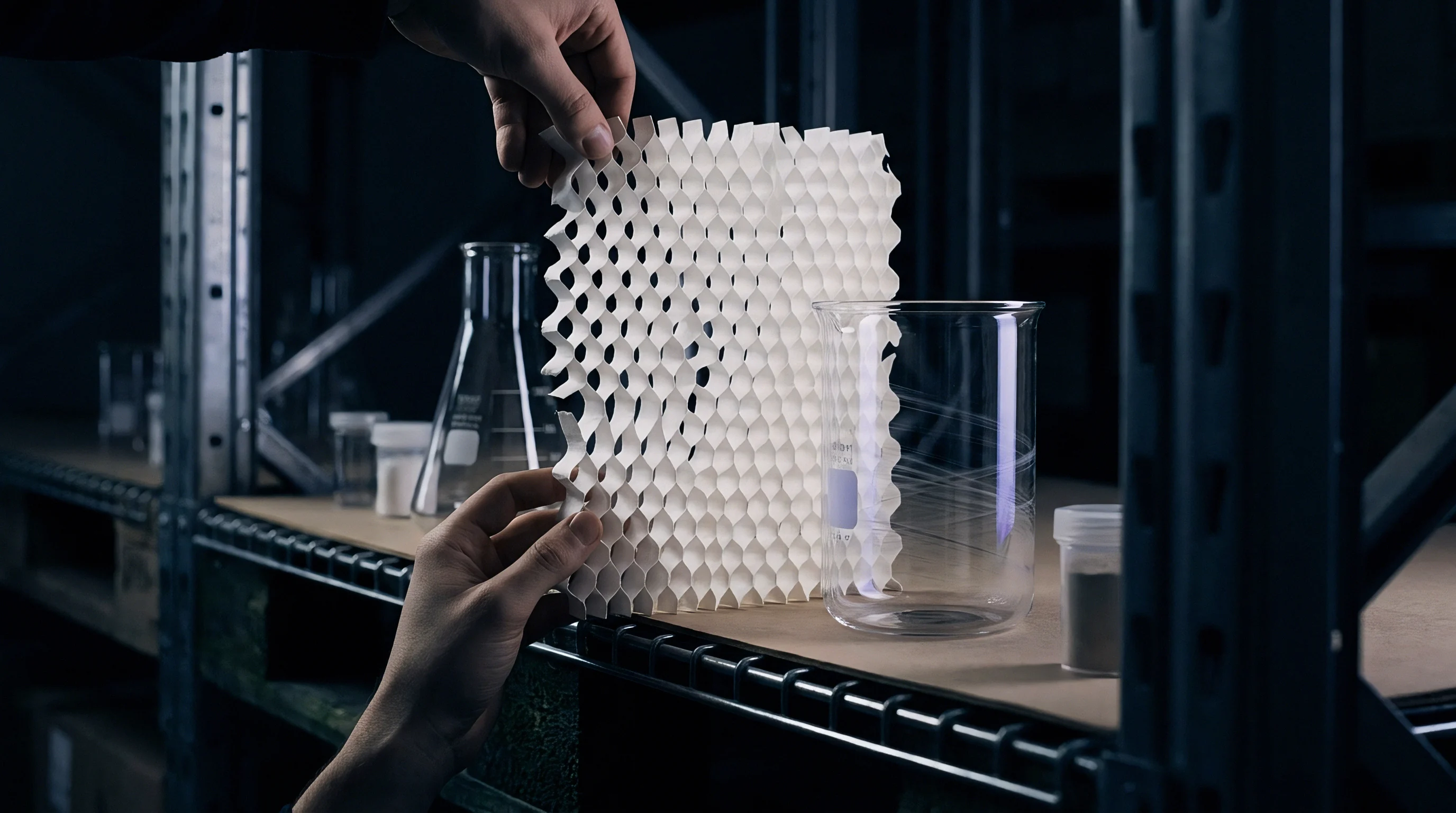
What structural modifications inside the pigment matrix would permit lower latex usage without triggering local tortuosity spikes that cause heatset blistering?

Transit
Coated reels stored in ambient unconditioned space undergo moisture equalization that alters local pore tortuosity prior to printing. Starch is highly hygroscopic, absorbing water vapor from high-humidity storage environments. As ambient relative humidity rises from 50 percent to 80 percent, dried starch chains inside coating pores undergo swelling, expanding their physical volume by up to 18 percent.
This volume expansion constricts capillary throat diameters, driving surface tortuosity upward before the reel ever reaches the pressroom slitters.
Hydrothermal Aging of Starch Rich Pore Walls
Moisture absorption induced structural changes remain largely irreversible. When sweltered starch domains dry out again under lower relative humidity, starch polymer chains undergo localized retrogradation and recrystallization. The re-dried pore walls exhibit altered surface energy and permanent capillary necking, leading to reduced solvent wetting speeds during offset printing.
Reels stored in unconditioned transit warehouses for more than 60 days demonstrate a 25 percent increase in surface tortuosity compared to mill-fresh inventory tested immediately after sheeting.
| Binder Starch Latex Ratio | Raw Coating Cost (USD/Tonne) | Dryer Energy (kWh/Tonne) | Converting Waste Rate (%) | Landed Cost per 1000 m² (USD) |
|---|---|---|---|---|
| 80:20 | 112.50 | 310 | 4.8 | 28.45 |
| 60:40 | 134.20 | 275 | 3.1 | 27.90 |
| 40:60 | 158.00 | 240 | 2.2 | 27.65 |
| 20:80 | 181.80 | 215 | 1.8 | 27.82 |

Landed Sheet Cost and Yield Calculations
Converting yield depends directly on web structural stability during high-speed printing and folding. A starch-heavy coating formulation that suffers from high surface tortuosity requires higher press fountain solution levels to prevent plate toning. Excessive fountain solution application weakens the base paper sheet, leading to web breaks inside press impression nips.
A single web break on a high-speed commercial offset press costs approximately 450 USD in lost production time, wasted paper, and press re-threading labor.
Higher latex ratios reduce dryer energy requirements on the coater line but increase raw material costs per delivered tonne.
Calculating the true landed cost per 1,000 square metres of usable printed stock demands evaluating raw substrate cost alongside waste rates incurred at the converter. A lower-cost substrate formulated with an 80:20 starch-to-latex binder ratio generates a lower mill invoice price. However, higher press spoilage from blister rejections and web breaks raises total finished unit costs above that of a formulation using a 40:60 binder ratio.
Paying a premium for balanced starch-latex formulations that hold uniform tortuosity profiles yields lower total landed package costs once pressroom throughput and spoilage allowances enter the financial ledger.
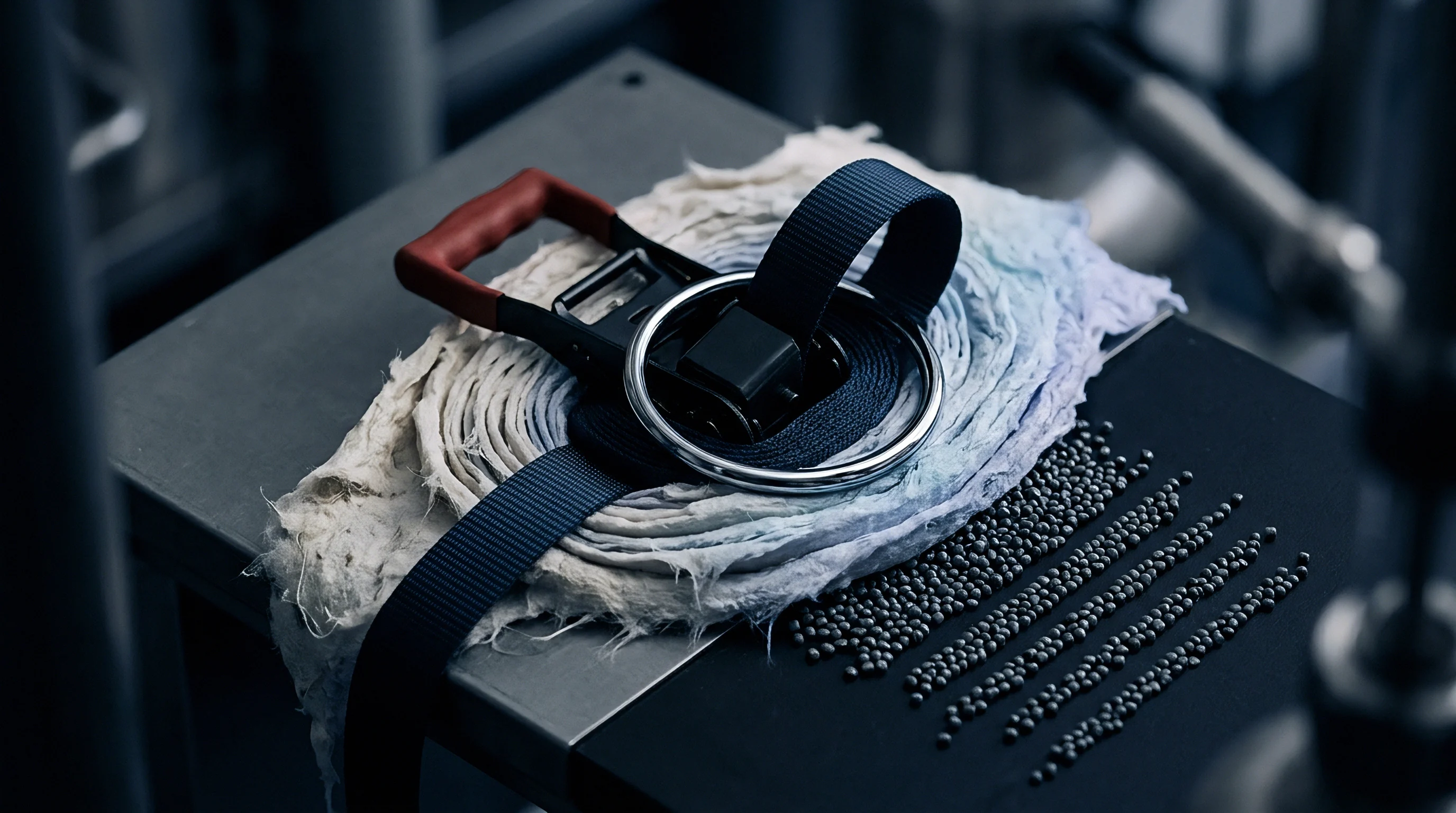
Storage management guidelines mandate wrapping reels in moisture-impermeable stretch film immediately upon reel-slitting, maintaining film integrity until the pallet reaches the pressroom climate equilibrium zone.